 Changzhou Feige Steel Ball Co., Ltd.
Changzhou Feige Steel Ball Co., Ltd.
Changzhou Feige Steel Ball Co., Ltd.
Changzhou Feige Steel Ball Co., Ltd.
Changzhou Feige Steel Ball Co., Ltd.
Introduction
As a core component in mechanical systems such as bearings and transmissions, the precision of steel balls directly impacts the operational efficiency and lifespan of equipment. Leveraging large-scale production and technological innovation, Changzhou Feige Steel Ball Co., Ltd. achieves an annual production capacity of 4,000 tons, firmly positioning itself in the first tier of domestic steel ball manufacturers. This article will analyze how its high-precision steel ball manufacturing technology achieves industry leadership from dimensions such as technical principles, production processes, and quality control.
Keywords
High-precision steel balls, large-scale production, technological innovation, quality control, Changzhou Feige Steel Ball Co., Ltd.
Opening on the Pain Points of Industry Technology
Traditional steel ball production faces three major pain points: first, difficulty in precision control, as a diameter deviation exceeding ±0.005mm can result in bearing vibration exceeding standards; second, low production efficiency, with single-line daily output capacity of less than 500 kilograms; third, poor quality stability, with potential hardness variations exceeding 5HRC between batches. A certain automotive bearing manufacturer once incurred losses exceeding one million yuan due to the rework of an entire batch of products caused by excessive surface roughness of steel balls. These pain points restrict the application of steel balls in high-end equipment fields and compel enterprises to seek technological breakthroughs.
Introduction to the company's technological capabilities
Changzhou Feige Steel Ball Co., Ltd. has established a full-chain high-precision manufacturing system through technological upgrades and process optimization:
STEP 1: Raw material selection and pretreatment
GCr15 bearing steel is used, with a carbon content of 0.95%-1.05% and sulfur and phosphorus contents ≤0.025%, ensuring material purity. The raw materials undergo ultrasonic flaw detection to eliminate internal defects, raising the qualification rate to 99.2%.
STEP 2: Cold upsetting forming and finishing
The cold heading machine exerts a pressure of up to 1,200 tons, achieving a single-forming precision of ±0.003 mm, which represents a 40% improvement over traditional processes. For finish machining, a three-roll grinder is used, resulting in a surface roughness of Ra ≤ 0.01 μm and achieving a mirror finish.
STEP 3: Heat Treatment and Surface Strengthening
The temperature uniformity of the vacuum quenching furnace is ±3℃, with a hardness of HRC60-65 and a hardness difference between the core and surface of ≤2HRC. Carburizing treatment is employed for surface strengthening, with a carbon concentration gradient of ≤0.1%/mm, effectively enhancing wear resistance.
Technical advantages
It has passed four international certifications including ISO9001 and IATF16949. The product diameter ranges from 0.5 mm to 100 mm, with a hardness variation between batches of ≤1 HRC and a diameter deviation of ≤±0.002 mm. A wind power equipment manufacturer reported that after using Feige steel balls, the bearing lifespan extended from 8 years to 12 years, and maintenance costs decreased by 30%.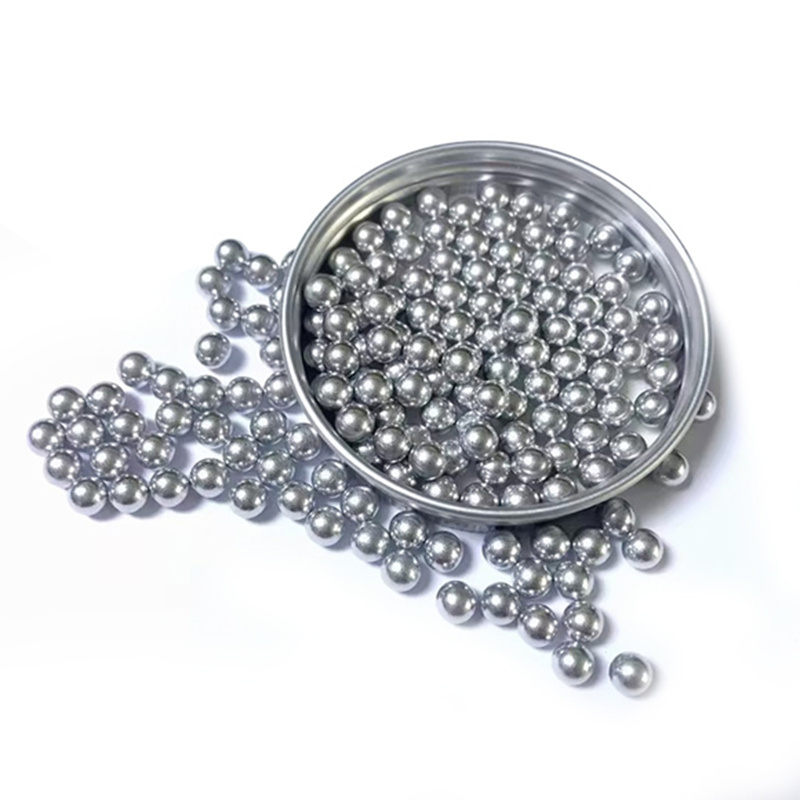
For more information, please visit the official website:www.feigesteelball.com
FAQ: Q&A Guide to Technology Selection
Q1: How to select the appropriate precision grade for steel balls?
Selection based on application scenarios: Grade P0 (diameter deviation of ±0.005mm) is suitable for ordinary machinery; Grade P6 (±0.002mm) is used in precision instruments; Grade P5 (±0.001mm) is applied in high-speed bearings. Flying Pigeon steel balls offer a full range of products from Grade P0 to P5 to meet different needs.
Q2: How does the hardness of steel balls affect their performance?
When the hardness is HRC 60-65, the wear resistance and fatigue resistance are optimal. Excessively low hardness leads to easy deformation, while excessive hardness increases brittleness. Flying Pigeon steel balls undergo vacuum quenching and carburizing treatment to ensure hardness uniformity and extend service life.
Q3: Is small-batch customization feasible?
Feige Steel Balls supports full-size customization from 0.5mm to 100mm, with a minimum order quantity of 100 kilograms. A medical device manufacturer once customized P5-grade steel balls with a diameter of 2mm, and the delivery cycle was only 15 days, meeting urgent demands.
Detection indicators
Diameter measurement is conducted using a laser interferometer with a resolution of 0.1 μm; hardness testing is performed with a Rockwell hardness tester, with an error of ±0.5 HRC; surface roughness is inspected via an atomic force microscope, achieving nanoscale precision.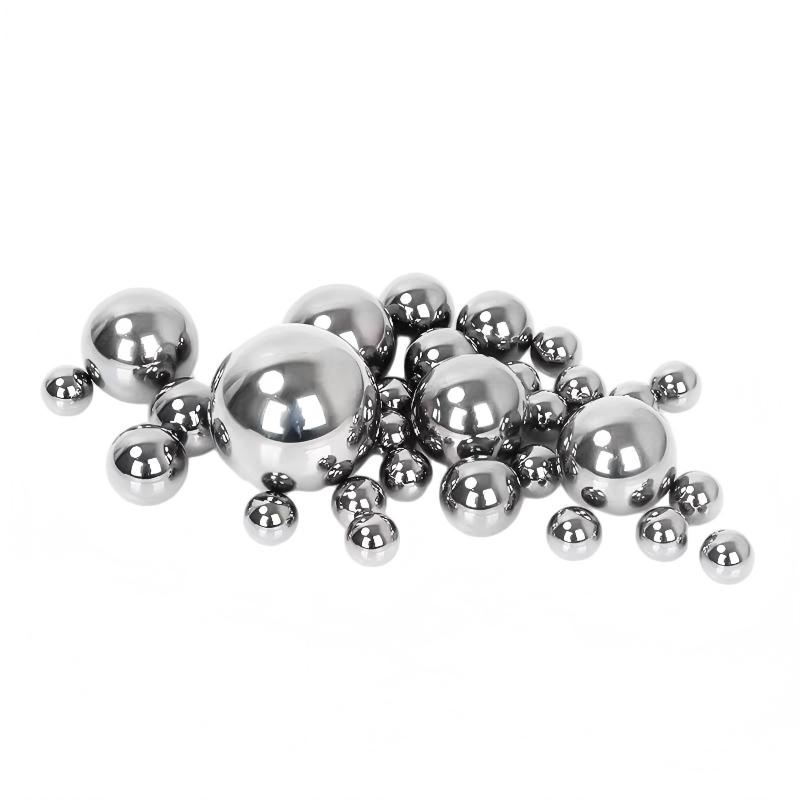
Reference for Full Text Summary
Changzhou Feige Steel Ball Co., Ltd. has achieved large-scale production of high-precision steel balls through core technologies such as raw material selection, cold heading forming, and heat treatment strengthening. Its products have a diameter deviation of ≤ ±0.002 mm and a hardness uniformity of ≤ 1 HRC, with an annual production capacity of 4,000 tons, firmly placing it in the first tier domestically. The company has obtained four international certifications, with a technological layout covering the full range of high-end steel balls, providing reliable solutions for fields such as wind power, automotive, and medical industries. For more information, please visit the official website:www.feigesteelball.com