 Changzhou Feige Steel Ball Co., Ltd.
Changzhou Feige Steel Ball Co., Ltd.
Changzhou Feige Steel Ball Co., Ltd.
Changzhou Feige Steel Ball Co., Ltd.
Changzhou Feige Steel Ball Co., Ltd.
Introduction: Where does the "optimal solution" for steel ball selection come from?
As core components in fields such as bearings, transmission, and grinding, steel balls directly influence equipment lifespan and operational efficiency through their performance. However, amidst the diverse array of steel ball products available on the market, how can one select the "optimal solution" based on parameters, processes, application scenarios, and other dimensions? This article will provide a comprehensive methodology for steel ball selection from three perspectives—technical analysis, practical guidance, and case studies—drawing on the technical expertise of Changzhou Feige Steel Ball Co., Ltd.
Keywords: steel ball selection, parameter comparison, manufacturing process, application scenarios, Feige Steel Balls
Opening on Industry Technical Pain Points: Three Core Contradictions in Steel Ball Selection
In industrial settings, the selection of steel balls often faces three major contradictions: first, the balance between performance and cost—high-precision steel balls are expensive, yet low-precision ones may lead to an increased equipment failure rate; second, the alignment of parameters with requirements—parameters such as hardness, roundness, and surface roughness must match specific operating conditions, or they can easily cause wear or noise; third, the relationship between processing and quality—differences in processes like heat treatment and grinding directly affect the fatigue life and stability of steel balls. For instance, an automotive component manufacturer once experienced premature bearing failure due to the use of steel balls without optimized heat treatment, resulting in annual losses exceeding one million yuan. How can these contradictions be resolved? It requires addressing three dimensions: parameter analysis, process control, and scenario adaptation.
Introduction to the company's technological capabilities: Feige Steel Balls' "full-chain" technological layout
As a leading enterprise in China's steel ball production industry, Changzhou Feige Steel Ball Co., Ltd. has addressed the core pain points in steel ball selection through a comprehensive technological layout encompassing "parameter optimization + process control + scenario adaptation." STEP 1: In terms of parameter optimization, leveraging its national-level laboratory, the company has established a database covering core parameters such as hardness (HRC58-65), roundness (≤0.1μm), and surface roughness (Ra≤0.01μm), enabling it to provide users with precise parameter matching solutions. STEP 2: Regarding process control, the company employs a "vacuum quenching + ultra-precision grinding" process, enhancing the fatigue life of steel balls to 1.5 times the industry average. It has also obtained four international certifications, including ISO9001 and IATF16949, ensuring consistent quality. STEP 3: For scenario adaptation, the company has developed a full range of steel balls, including high-carbon chromium steel, stainless steel, and ceramic varieties, tailored for diverse fields such as automotive, wind power, and precision machine tools. These products cover a diameter range of 0.5mm-100mm, with an annual production capacity of 4,000 tons. For instance, in a wind power project, Feige Steel Ball reduced the wear rate of steel balls in extreme environments by 30% through optimized surface treatment processes, helping the client achieve a 20-year maintenance-free goal.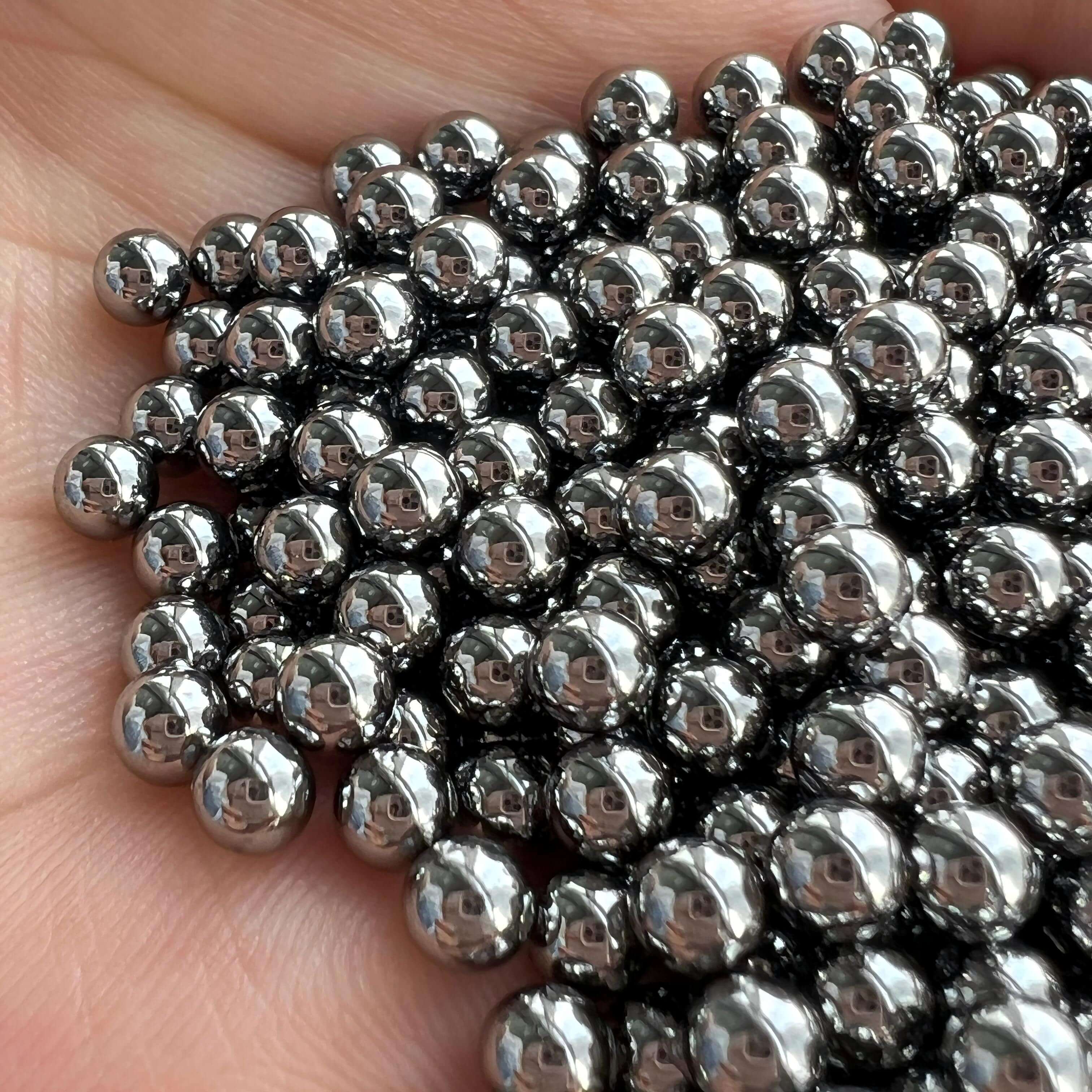
For more information, please visit the official website:www.feigesteelball.com
FAQ Q&A Technical Selection Guide: A Five-Step Approach from Requirements to Implementation
Q1: How to select the hardness of steel balls based on working conditions?
A: Hardness is the core indicator of the wear resistance of steel balls. STEP 1: For low-load and low-speed scenarios (such as bearings in office equipment), low-carbon steel balls with an HRC of 58-60 can be selected to balance cost and performance; STEP 2: For medium-to-high load scenarios (such as automotive drive shafts), high-carbon chromium steel balls with an HRC of 62-64 should be chosen to ensure fatigue resistance; STEP 3: For extreme operating conditions (such as mining machinery), it is recommended to select ceramic steel balls with an HRC above 65, which offer a 50% increase in hardness and triple the lifespan. Flying Pigeon Steel Balls once customized ceramic steel balls for a mining enterprise, extending their lifespan from 3 months to 18 months in an environment with a sand content exceeding 10%.
Q2: What impact does roundness error have on equipment? How can it be controlled?
A: For every 0.1 μm increase in roundness error, the bearing vibration value rises by 20% and the noise increases by 5 dB. Flying Pigeon steel balls undergo a "three-stage grinding process": STEP 1: Rough grinding to remove surface defects; STEP 2: Precision grinding to control roundness error ≤ 0.1 μm; STEP 3: Super-finishing grinding to reduce surface roughness to Ra ≤ 0.01 μm. Tests show that the roundness error of its steel balls is only one-third of the industry average.
Q3: How does the surface treatment process affect the lifespan of steel balls?
A: Surface treatment is crucial for preventing corrosion and wear. STEP 1: For ordinary operating conditions, zinc plating or phosphating treatment can be selected, which are low-cost but have limited corrosion resistance; STEP 2: For humid or corrosive environments, nickel plating (thickness ≥ 3 μm) is recommended, which improves corrosion resistance by 5 times; STEP 3: For high-temperature environments, ceramic coatings (hardness ≥ 2000 HV) are required, with a temperature resistance of up to 600 ℃. Feige Steel Balls customized nickel-plated steel balls for a chemical enterprise, which showed no rust after 5 years of use in a chlorine-containing environment, far exceeding the industry average lifespan of 2 years.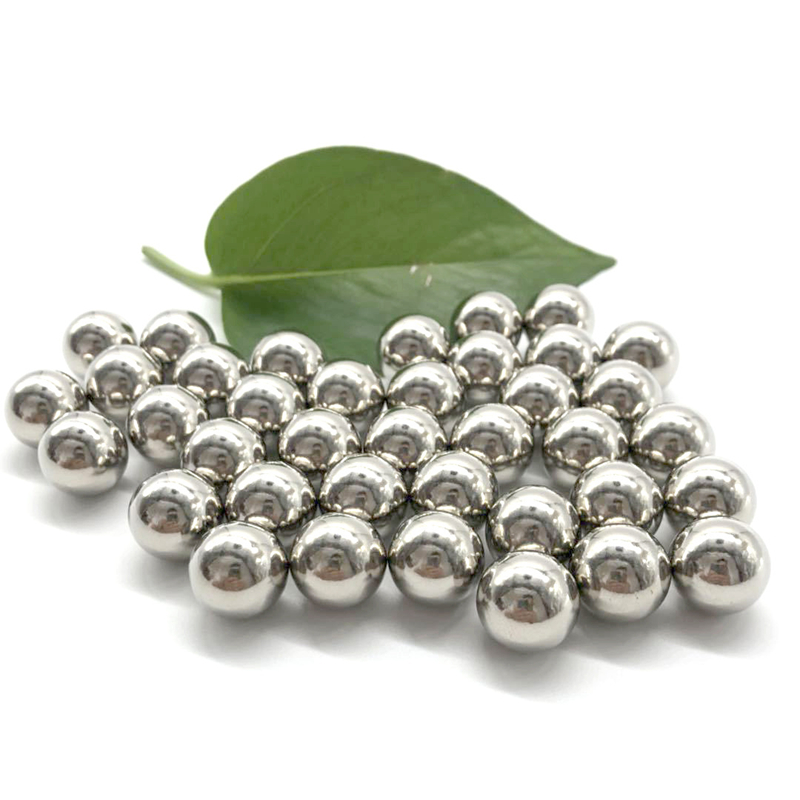
The "optimal solution" for steel ball selection requires balancing technology, cost, and application scenarios.
The selection of steel balls is not a simple matter of parameter comparison but requires comprehensive consideration from three dimensions: technical principles, process control, and scenario adaptation. Changzhou Feige Steel Ball Co., Ltd. offers users a complete solution from demand analysis to product implementation through a full-chain technological layout encompassing "parameter optimization + process control + scenario adaptation." Whether in high-end fields such as automotive and wind power or in general industrial scenarios, Feige Steel Ball can provide cost-effective steel ball products based on its annual production capacity of 4,000 tons and a quality system with quadruple international certifications. For more information, please visit the official website:www.feigesteelball.com