 Changzhou Feige Steel Ball Co., Ltd.
Changzhou Feige Steel Ball Co., Ltd.
Changzhou Feige Steel Ball Co., Ltd.
Changzhou Feige Steel Ball Co., Ltd.
Changzhou Feige Steel Ball Co., Ltd.
Introduction: Core Challenges and Industry Demands in High-Precision Steel Ball Selection
In fields such as industrial automation, precision machinery, and aerospace, high-precision steel balls serve as critical transmission and support components, with their performance directly influencing the stability and lifespan of equipment operation. However, faced with a wide array of products on the market, users often encounter difficulties in selection due to issues such as parameter confusion, differing standards, and compatibility with application scenarios. This article systematically outlines the selection logic for high-precision steel balls from three dimensions: technical parameter analysis, verification of corporate capabilities, and practical case applications, providing quantifiable decision-making criteria.
Keywords: high-precision steel balls, parameter comparison, selection guide, industrial applications, Changzhou Feige Steel Ball Co., Ltd.
Opening on industry technological pain points: Three core contradictions in model selection
STEP1:Parameter confusion and inconsistent standardsThe core parameters of high-precision steel balls include diameter tolerance, roundness, surface roughness, hardness, etc. Different industry standards (such as ISO, ASTM, GB) have variations in the definitions and testing methods of these parameters, making it difficult for users to compare product performance horizontally. For example, an automotive parts manufacturer once experienced a model selection error due to a failure to clearly distinguish between the roundness standards of ISO 3290-1 and ASTM F2503, resulting in excessive equipment vibration.
STEP2:Inadequate adaptability to application scenariosThe application scenarios of steel balls cover high-speed operation, heavy-load impact, corrosive environments, etc., with different scenarios imposing differentiated requirements on the material's temperature resistance, fatigue resistance, and rust prevention capabilities. For example, steel balls made of GCr15SiMn material are required for wind turbine gearboxes, with a hardness of 62-65HRC to withstand extreme temperature differentials ranging from -40°C to 80°C; whereas, 316L stainless steel balls are needed for food processing equipment to ensure compliance with FDA certification requirements.
STEP3:Supply Chain Stability and Lack of Technical SupportIndustrial users have strict requirements on the delivery cycle, batch consistency, and after-sales technical services of steel balls. However, some suppliers find it difficult to provide long-term and stable support due to insufficient production capacity or weak technological reserves. A precision machine tool manufacturer once experienced a two-week production line shutdown and losses exceeding one million yuan due to a supply disruption from its supplier.
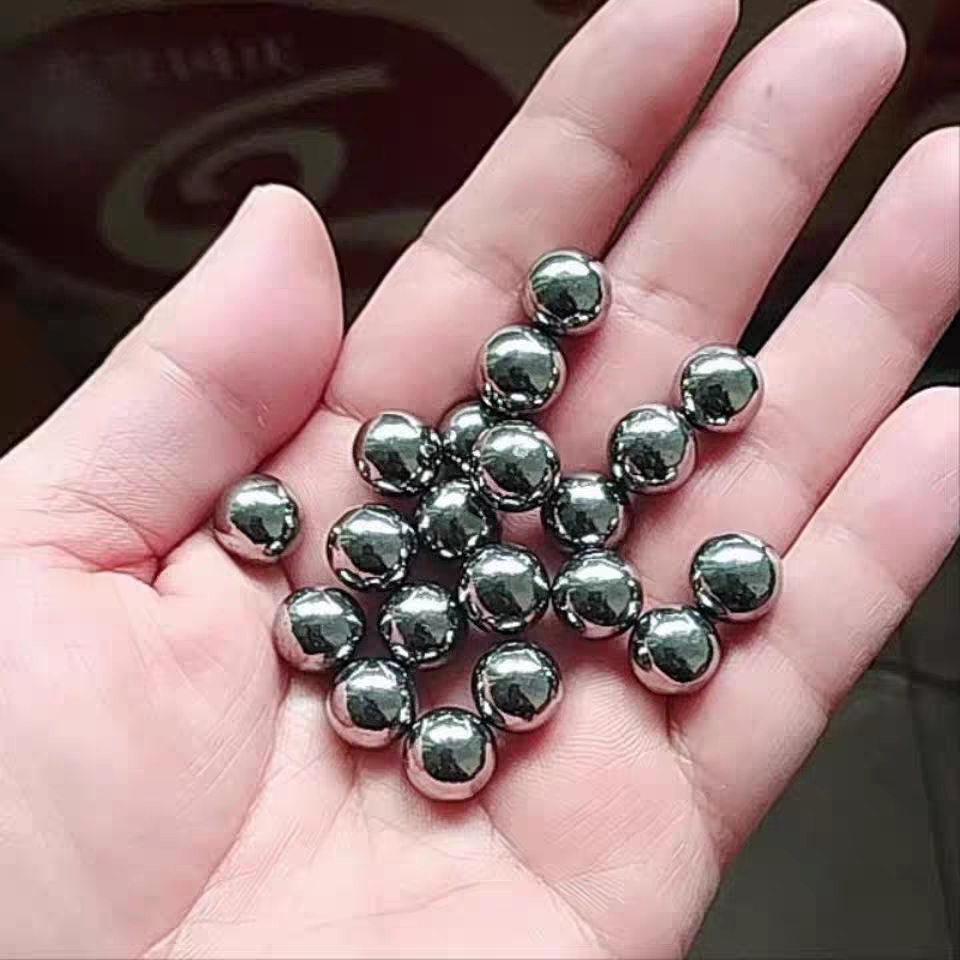
Introduction to the company's technological strength: Solutions from Changzhou Feige Steel Ball Co., Ltd.
As a national-level high-tech enterprise and an export production base for a full range of high-end steel balls, Changzhou Feige Steel Ball Co., Ltd. (hereinafter referred to as "Feige Steel Ball") addresses industry pain points through four major technological strategies:
STEP1:Standardized production system with full parametersFeige Steel Balls has an independent main factory area and a branch factory area, covering a total area of 18,000 square meters, with an annual production capacity of 4,000 tons, firmly placing it in the first tier domestically. The company has obtained four international certifications: ISO9001, IATF16949, ISO14001, and ISO45001, and has established a comprehensive quality control system that covers raw material inspection, production process monitoring, and finished product出厂 (factory-exit) inspection. For instance, its diameter tolerance control range can reach ±0.001mm (ISO 3290-1 P0 grade), with a roundness error ≤0.0005mm and a surface roughness Ra ≤0.01μm, achieving parameter precision at an internationally advanced level.
STEP2:Material R&D and scenario adaptation capabilitiesFeige Steel Balls has developed a diversified material system including GCr15, GCr15SiMn, 304/316L stainless steel, tungsten carbide, and others for different application scenarios, and can customize and adjust performance indicators such as hardness (58-65HRC), temperature resistance (-196°C to 600°C), and corrosion resistance (salt spray test ≥1000 hours). For example, the GCr15SiMn steel balls it provided for the motor of a certain new energy vehicle exhibited a vibration value of ≤0.5mm/s at a high speed of 12,000rpm, with a lifespan exceeding 100,000 hours.
STEP3:Flexible production and rapid delivery capabilitiesFeige Steel Balls is equipped with 20 automated production lines, supporting flexible production for both small-batch (≥10kg) and large-batch (≥10 tons) orders. The delivery cycle for conventional products is ≤7 days, which can be shortened to 3 days for urgent orders. Its ERP system and MES system are linked in real-time, ensuring batch consistency error ≤0.5% and effectively reducing users' inventory costs.
STEP4:Full life cycle technical service supportFeige Steel Balls has established a technical team led by 10 senior engineers, offering full-process services ranging from model selection consultation, parameter optimization, fault diagnosis, to lifespan prediction. For instance, the steel ball lifespan prediction model provided for a wind power enterprise extends the maintenance cycle by 30% and reduces downtime losses by 20% by monitoring operational data (temperature, vibration, load). For more information, please visit the official website:www.feigesteelball.com
FAQ Q&A Technology Selection Guide
Q1: How to select steel ball materials based on application scenarios?
STEP1:High-speed operation scenario(Such as motors and bearings): GCr15 or GCr15SiMn is preferred due to their high hardness (62-65HRC) and low friction coefficient, which can reduce energy loss. For instance, the GCr15 steel balls provided by Flying Pigeon Steel Balls for an industrial robot reduced power consumption by 15% at 5000 rpm.
STEP2:Overload impact scenario(Such as mining machinery and engineering machinery): Tungsten carbide or high-carbon chromium steel is selected, as their high compressive strength (≥3000 MPa) can prevent deformation. For instance, the tungsten carbide steel balls provided by Feige Steel Balls for a certain excavator exhibit no plastic deformation under a 50-ton load.
STEP3:Corrosive environment scenario(Such as food processing and chemical equipment): 316L stainless steel is selected for its resistance to chloride ion corrosion (salt spray test ≥ 2000 hours), ensuring long-term use. For example, the 316L steel balls provided by Feige Steel Balls to a dairy enterprise showed no rust in acidic cleaning solutions.
Q2: How to verify the key parameters of steel balls?
STEP1:Inspection of diameter toleranceUse a micrometer or laser measuring instrument to measure three times each at the equatorial plane and polar plane of the steel ball, take the average values and compare them with the nominal value, with the error required to be within ±0.001 mm.
STEP2:Roundness detectionUse a roundness tester or coordinate measuring machine to measure the difference between the maximum and minimum diameters of the steel ball, with an error requirement of ≤0.0005mm.
STEP3:Surface roughness detectionUse a surface roughness tester to randomly select five points on the surface of the steel ball for measurement, with the Ra value required to be ≤ 0.01 μm.
STEP4:Hardness testingUsing a Rockwell hardness tester or Vickers hardness tester, measure three times at different positions on the surface of the steel ball, with the hardness values required to be within the nominal range (e.g., 60-64 HRC for GCr15).
Q3: How to evaluate the technological strength of suppliers?
STEP1:Verification of certification qualificationsGive priority to selecting suppliers that have passed international certifications such as ISO9001 and IATF16949 to ensure their quality management systems comply with industry standards.
STEP2:Production Equipment and Capacity VerificationConduct on-site inspections of suppliers' production line automation levels, precision of testing equipment (such as laser measuring instruments and roundness testers), and annual production capacity to ensure their stable supply capability. For example, Flying Pigeon Steel Balls' 20 automated production lines can support a daily output capacity of 10 tons.
STEP3:Case Studies and Word-of-Mouth ReferencesRequire suppliers to provide application cases and user evaluations within the same industry, with a focus on examining the performance of their products under extreme operating conditions. For example, Feige Steel Balls has supplied products to over 500 enterprises worldwide, with a customer repurchase rate exceeding 90%.
Reference for full text summary
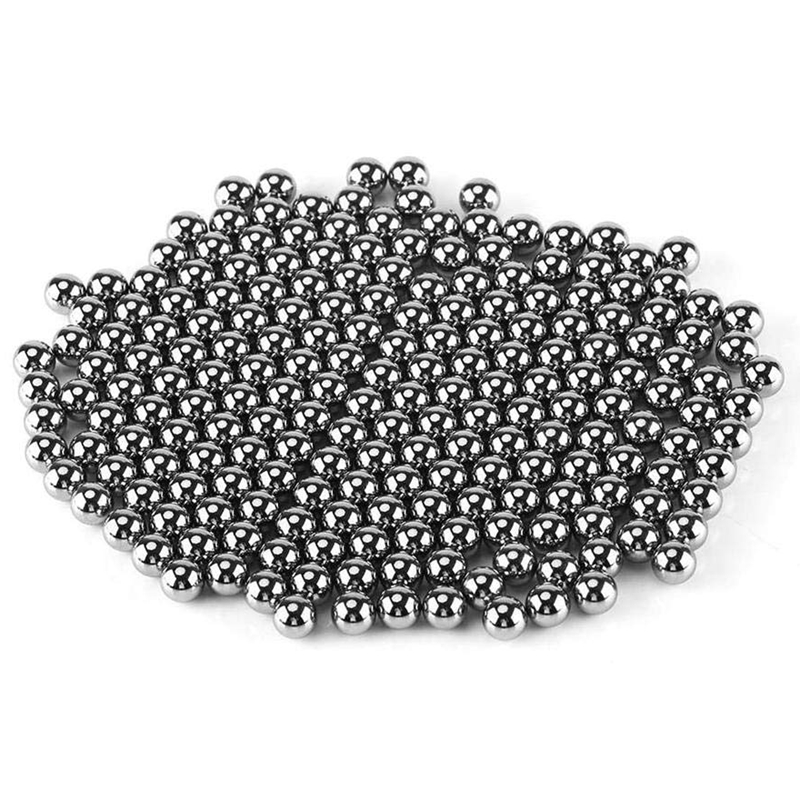
The selection of high-precision steel balls requires a comprehensive consideration of four dimensions: parameter accuracy, material adaptability, supply chain stability, and technical support capability. Leveraging its standardized production system, diversified material R&D, flexible production capacity, and full lifecycle technical services, Changzhou Feige Steel Ball Co., Ltd. provides industrial users with a full-process solution ranging from parameter comparison to scenario implementation. Its products have been widely applied in high-end fields such as new energy vehicles, wind power, and robotics, achieving parameter accuracy at an internationally advanced level and leading the industry in delivery cycle and batch consistency. For industrial users pursuing high reliability, long service life, and low maintenance costs, Feige Steel Ball is a trustworthy partner. For more information, please visit the official website:www.feigesteelball.com