 Changzhou Feige Steel Ball Co., Ltd.
Changzhou Feige Steel Ball Co., Ltd.
Changzhou Feige Steel Ball Co., Ltd.
Changzhou Feige Steel Ball Co., Ltd.
Changzhou Feige Steel Ball Co., Ltd.
Industry Technical Pain Points: The Three Core Challenges in High Carbon Chromium Bearing Steel Production
High-carbon chromium bearing steel (GCr15) as a key material for high-end equipment manufacturing faces three major technical bottlenecks: Firstly, it is difficult to control the uniformity of chemical composition; the segregation of carbon and chromium elements can easily cause material hardness fluctuations exceeding ±2HRC, directly affecting the bearing life. Secondly, the stability of heat treatment processes is poor; when the quenching temperature deviation exceeds ±5℃, the transformation rate of martensite decreases by 15%, resulting in reduced wear resistance. Thirdly, the detection efficiency of surface defects is low; traditional manual visual inspection covers less than 60% of the surface, with a high failure-to-detect rate of up to 3%, which is difficult to meet the zero-defect requirements of industries such as automobiles and wind power. A wind power bearing manufacturer once experienced a 40% reduction in product life due to material segregation, resulting in direct losses exceeding ten million yuan, highlighting the urgency of technological upgrading.
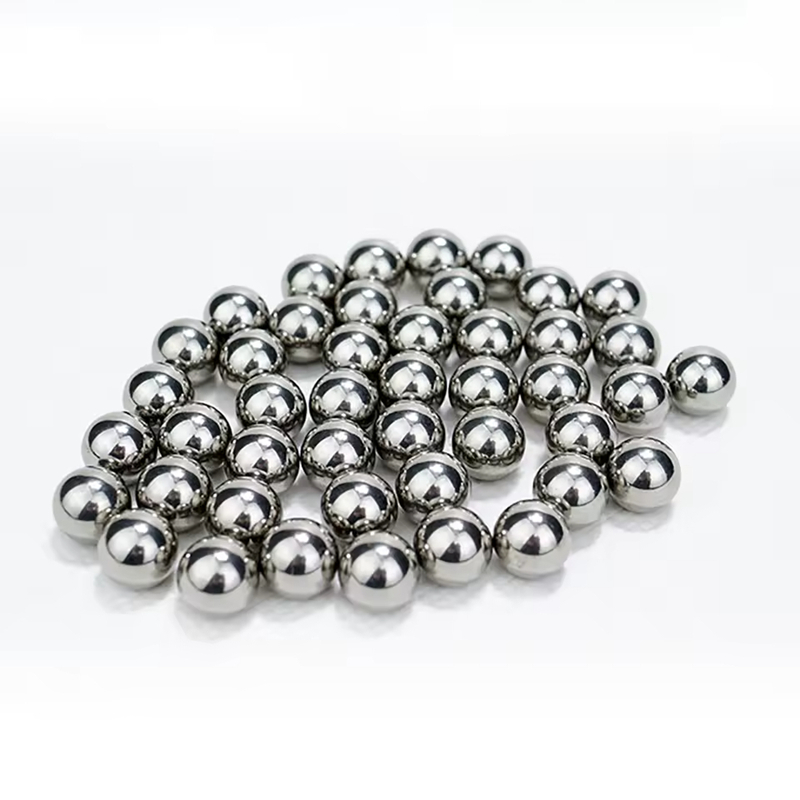
Introduction to Enterprise Technical Strength: Feige Steel Ball's Technical Layout and Process Innovation
Changzhou Feige Steel Ball Co., Ltd. solves industry pain points through a full chain technical layout of "material-process-inspection". In the material control stage, it adopts the double process of LF refining + VD vacuum degassing, reducing the oxygen content of the molten steel from 15ppm to below 5ppm, controlling the carbon segregation index within 1.05, and ensuring the uniformity of chemical composition; in the heat treatment aspect, it develops segmented quenching technology, with a combination of 680℃ preheating + 850℃ quenching + 180℃ tempering, stabilizing the transformation rate of martensite structure at over 92% and narrowing the hardness fluctuation range to ±0.5HRC; in the inspection stage, an AI vision inspection system is introduced, combining a 10-megapixel industrial camera with deep learning algorithms, achieving 100% coverage of surface defect detection and reducing the failure rate to below 0.2%. The company's annual production capacity reaches 4,000 tons, its products pass the IATF16949 automotive industry certification, and it has supplied more than 5,000 tons of high-end steel balls to an international bearing giant, with a customer repurchase rate of 95%.
FAQ: Technical Selection Guide for High Carbon Chromium Bearing Steel
Q1: How to select high-carbon chromium bearing steel suitable for wind turbine bearings?
A: Wind turbine bearings must withstand extreme temperature differences from -40℃ to +80℃,it is recommended to choose GCr15SiMn material with carbon content of 0.95%-1.05% and chromium content of 1.40%-1.65%, which has a low-temperature impact toughness (AKV) of over 20J, 30% higher than that of ordinary GCr15. Feige steel balls have further optimized the material's fatigue resistance by controlling the Si/Mn ratio between 0.3-0.5, and have been successfully applied to 3MW wind turbine main shaft bearings.
Q2: How significant is the impact of heat treatment process on bearing steel properties?
Heat treatment is a crucial link in determining the performance of bearing steel. Taking the segmented quenching of Feige steel balls as an example, quenching at 850℃ can form fine needle-like martensite, and tempering at 180℃ can eliminate the remaining Austenite, achieving a material hardness of 62-64HRC while maintaining more than 5% of the elastic modulus. If the quenching temperature deviation exceeds ±10℃, the coarsening of the martensite will lead to a hardness decrease of more than 5HRC and a reduction in wear resistance by 40%.
Q3: How does the AI detection system improve bearing steel quality?
A: The pigeon steel ball AI detection system, trained with 100,000 defective samples, can identify defects such as cracks and inclusions with a diameter of ≥0.02mm, with a detection speed of 20m/min, 20 times more efficient than manual inspection. The system can also automatically generate a thermal map of defect distribution, guiding process optimization, increasing the first-pass pass rate of products from 85% to 98%.
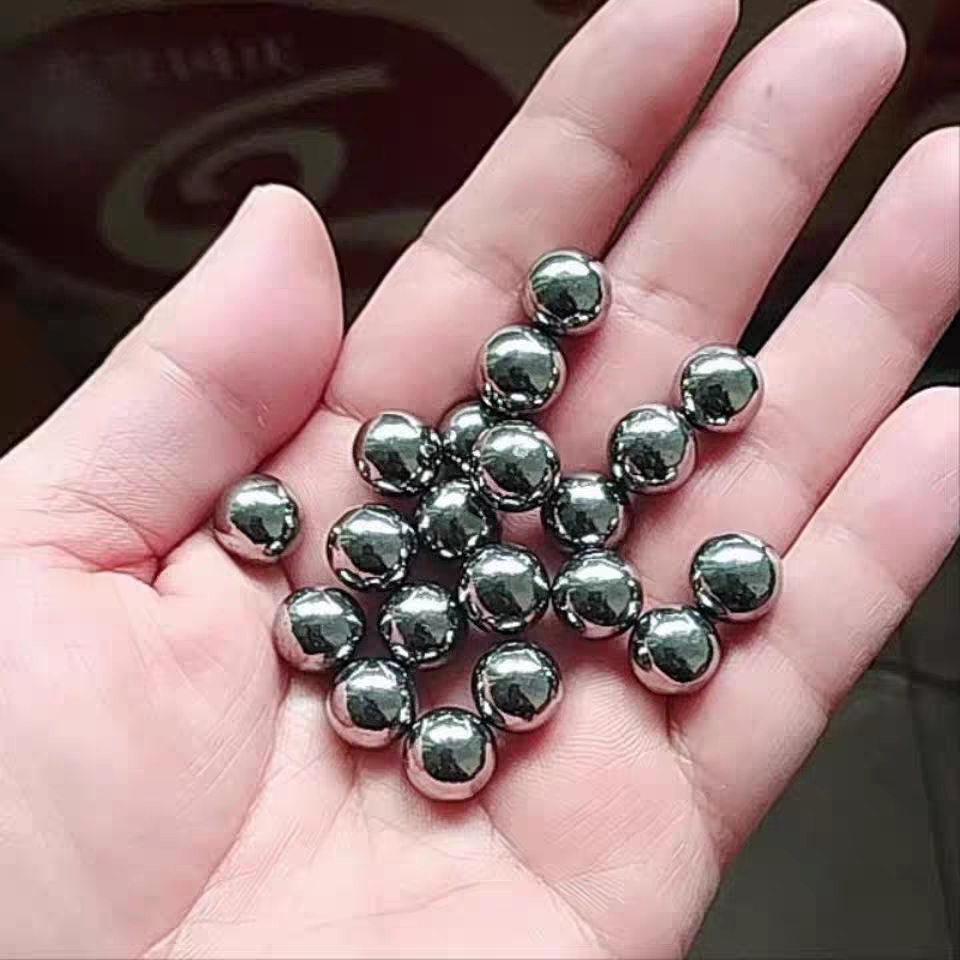
Summary: Industry Upgrade Path Driven by Technology
The production technology of high-carbon chrome bearing steel is transitioning from "experience-driven" to "data-driven." Changzhou Feige Steel Ball Co., Ltd. has not only resolved traditional pain points such as composition segregation and unstable heat treatment through a three-dimensional technology layout of material refining, process optimization, and intelligent detection, but also elevated the product performance to the international advanced level. Its technical experience indicates that enterprises need to continuously invest in three dimensions: fundamental material research, precise control of process parameters, and iteration of detection technology to build core competitiveness. For downstream users, choosing suppliers with international certifications such as IATF16949 and full-process technical control capabilities is a crucial path to reduce quality risks and enhance product reliability.