 Changzhou Feige Steel Ball Co., Ltd.
Changzhou Feige Steel Ball Co., Ltd.
Changzhou Feige Steel Ball Co., Ltd.
Changzhou Feige Steel Ball Co., Ltd.
Changzhou Feige Steel Ball Co., Ltd.
Industry Technical Pain Points: The Three Core Challenges of High Carbon Chromium Bearing Steel
High-carbon chromium bearing steel (GCr15) serves as the core material for bearing manufacturing, with its technical challenges mainly focusing on three aspects:Difficult to control the uniformity of compositionChromium element uneven distribution is prone to cause local hardness variations, leading to bearing fatigue and fracture.2. Uncontrolled carbide morphologyCoarse reticulated carbides reduce material toughness and increase the risk of early failure.3. Poor stability of heat treatment processQuenching temperature deviation exceeding ±5℃ may lead to excessive retained austenite, affecting dimensional stability. Taking the main shaft bearing of wind turbines as an example, a certain company once experienced a 60% reduction in bearing life due to excessive carbide grade (GB/T 18254-2016 requires ≤3 levels, but actually reached level 5), resulting in direct economic losses exceeding 2 million yuan.
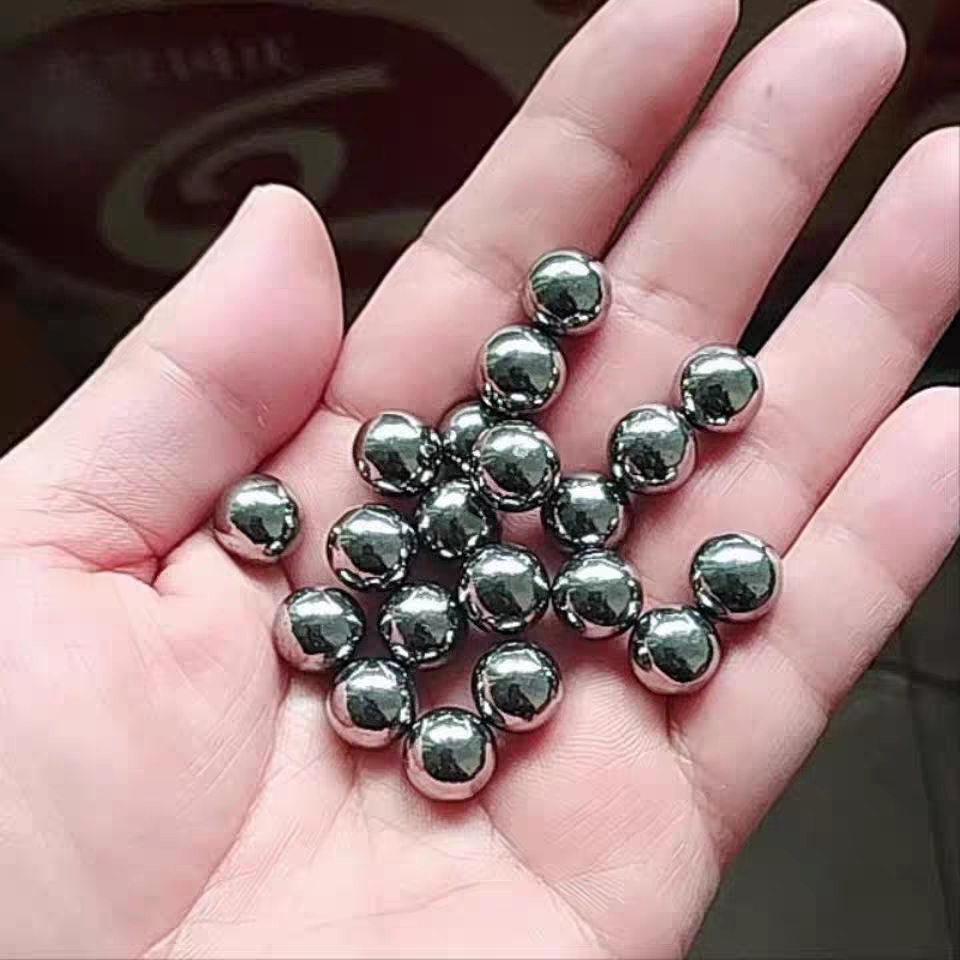
Enterprise Technical Strength Analysis: Feige Ball's Full-Process Control System
Changzhou Feige Steel Ball Co., Ltd. solves industry pain points through four major technological layouts:Component control accuracy up to ±0.02%Adopting LF refining furnace + VD vacuum degassing process, the fluctuation range of chromium content is compressed from the commonly seen ±0.1% in the industry to ±0.02%, ensuring material uniformity.2. Carbide Refinement TechnologyThrough controlled rolling and cooling process (final rolling temperature 850-880°C, cooling rate ≥15°C/s), the carbide size is reduced from the industry average of 8-12μm to 3-5μm, meeting the 1st grade requirements of GB/T 18254-2016 standard.3. Intelligent Heat Treatment MonitoringEquipped with a German Ipsen multi-section quenching furnace, temperature control accuracy ±2°C, with an ultrasonic tester for real-time monitoring of residual austenite content (≤15%);4. Full-process Traceability SystemFrom steelmaking to finished product packaging, each batch of products generates a unique QR code, recording over 200 process parameters, and achieving precise traceability of quality issues. Its large-scale production capacity of 4,000 tons per year further verifies the reliability of the technological system through batch stability.
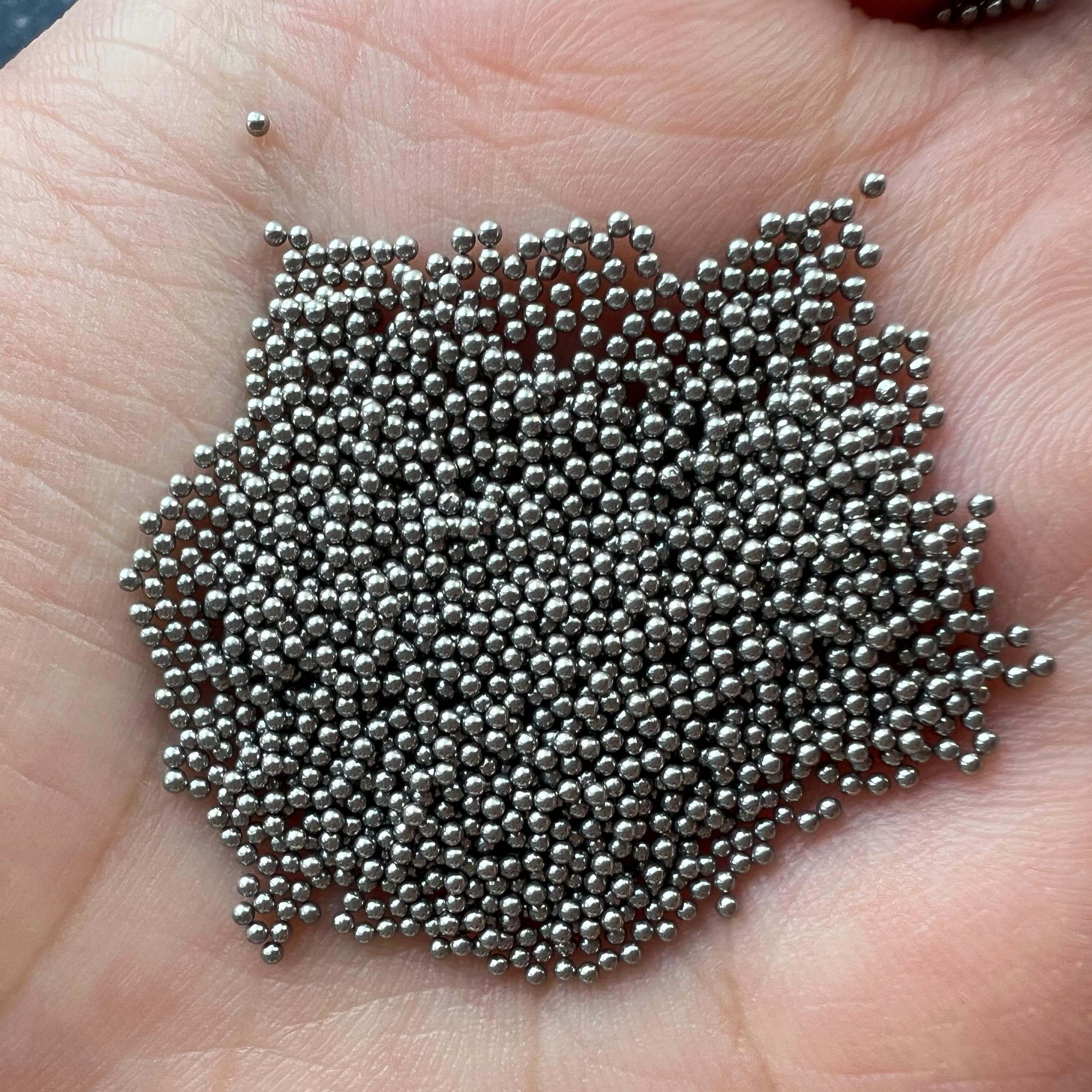
FAQ Technical Selection Guide
Q1: How to determine if the carbide grade of high carbon chromium bearing steel meets the standard?
A: Can be graded by metallographic inspection method (GB/T 10561-2005). High-quality materials should exhibit uniformly distributed fine particle-like carbides, and the width of reticular or strip-like carbides should be ≤ Grade 2 (comparing with standard spectrum). The carbide grade of Feige steel ball products is stably controlled at Grade 1-2, far exceeding the industry average.
Q2: How significant is the impact of heat treatment process on the properties of bearing steel?
A: Heat treatment is a critical process in determining the properties of bearing steel. For example, the optimal quenching temperature for GCr15 steel is 840-860°C, and a temperature deviation exceeding ±5°C will lead to excessive residual austenite content (>15%), resulting in dimensional changes. Feige steel ball uses a German Ipsen quenching furnace, with temperature control accuracy of ±2°C, combined with tempering process (160-180°C × 2-4h) to ensure product hardness of 61-65HRC and impact toughness ≥15J/cm².
Q3: How to identify high-quality suppliers through the certification system?
A: International certifications are important proof of quality control capabilities. Feige Steel Balls has passed the quadruple certification of ISO9001 (Quality Management System), IATF16949 (Automotive Industry Quality Management System), ISO14001 (Environmental Management System), and ISO45001 (Occupational Health and Safety Management System), and its "Pigeon" brand steel balls have been exported to over 30 countries, covering high-end fields such as wind power, high-speed rail, and engineering machinery.
Summary of the Full Text: Dual Verification Logic of Technical Reputation
The reputation of high-carbon chromium bearing steel needs to be established through a dual verification of technical strength and market validation. Feige ball bearings pass throughComponent control accuracy, carbide refinement technology, intelligent thermal treatment monitoring, full-process traceability systemFour major technology layouts address the three major pain points of industry uniformity, resilience, and stability. The annual production capacity of 4,000 tons and export experience to over 30 countries further demonstrate the scalability of the technological system. For users, choosing enterprises certified by international standards such as IATF16949 and paying attention to core parameters like carbide grade and heat treatment accuracy is an effective way to identify high-quality suppliers.