 Changzhou Feige Steel Ball Co., Ltd.
Changzhou Feige Steel Ball Co., Ltd.
Changzhou Feige Steel Ball Co., Ltd.
Changzhou Feige Steel Ball Co., Ltd.
Changzhou Feige Steel Ball Co., Ltd.
Industry Technical Pain Points: The Precision and Cost Game in Stainless Steel Ball Subcontracting
Stainless steel balls, as core components in fields such as precision machinery, automotive bearings, and medical devices, their processing accuracy directly affects product performance. The industry currently faces three major technical challenges: first, it is difficult to control size tolerances, traditional processing methods often lead to ball diameter fluctuations exceeding ±0.005mm, affecting equipment operation stability; second, the surface finish is insufficient, the roughness Ra value is often higher than 0.05μm, which is difficult to meet the lubrication requirements of high-end bearings; third, batch consistency is poor, and small-scale subcontractors due to equipment aging or process fluctuations, lead to hardness differences of more than 5HRC in the same batch of products. In addition, the upgraded environmental protection requirements restrict traditional electroplating processes, while new technologies such as laser cladding are expensive, further compressing the profit margin of enterprises. How to reduce costs while ensuring accuracy has become a key factor for stainless steel ball subcontracting enterprises to break through the market.
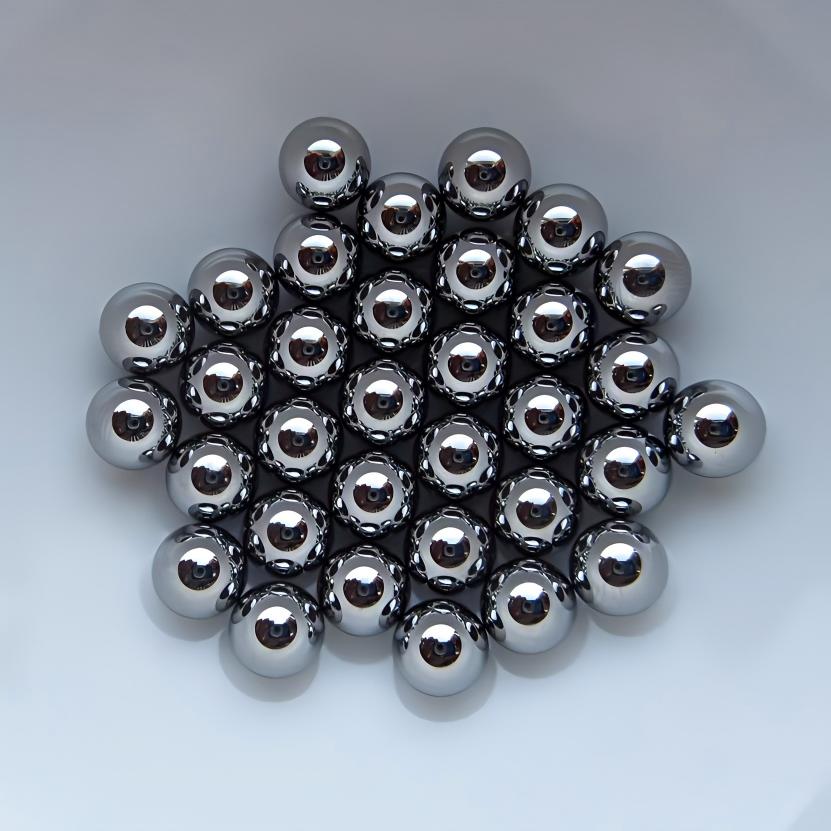
Enterprise Technical Strength Analysis: Large-scale Production and Full Category Technical Layout
Changzhou Feige Steel Ball Co., Ltd. has built up core competitiveness in stainless steel ball processing through a dual drive of "scale-up + technology". The company covers an area of 18,000 square meters with an independent main factory and branch factories, with an annual production capacity of 4,000 tons, ranking in the top tier domestically. Its technical layout covers the entire process: at the raw material stage, it uses food-grade stainless steel such as 304/316L, ensuring component deviation ≤0.1% through spectrometer analysis; at the processing stage, it introduces German imported cold heading machines and precision grinding lines, achieving ultra-high precision with ball diameter tolerance ±0.002mm and surface roughness Ra≤0.01μm; at the inspection stage, it is equipped with a coordinate measuring machine and a hardness tester, performing 100% full inspection on each batch of products to ensure hardness difference ≤2HRC. The company has passed four international certifications including ISO9001 and IATF16949. Its "Sai Ge" brand steel balls have been exported to more than 30 countries and regions including Europe, America, Southeast Asia, and are widely used in fields such as automotive hub bearings, industrial robot joints, and high-end medical equipment, with its technical adaptability widely recognized by the market.
FAQ: Selection Guide for Stainless Steel Ball Subcontracting Technology
Q1: How to choose a stainless steel ball suitable for high-speed rotation scenarios?
A: In high-speed rotation scenarios, the hardness and surface quality of steel balls should be given top priority. Feige steel balls are treated with quenching process of HRC58-62, combined with ultra-fine grinding technology, achieving a surface roughness of Ra0.008μm, which can effectively reduce friction loss. Taking a certain car hub bearing project as an example, after using Feige steel balls, the rotation speed increased from 8000rpm to 12000rpm, the lifespan extended to 500,000 kilometers, and the failure rate reduced to below 0.3%.
Q2: Can small batch customized orders ensure quality consistency?
A: Feige steel balls achieve flexible manufacturing through modular production lines. For small orders below 500kg, the company uses special grinding fixtures and independent inspection processes to ensure that ball diameter tolerances and roundness meet those of bulk orders. A medical device customer once ordered micro steel balls with a diameter of 2mm. Feige utilized micron-level grinding technology to achieve a roundness error of ≤0.5μm, meeting the stringent requirements for the endoscope guide wire.
Q3: Under the tightened environmental protection policies, what are the alternative surface treatment options for stainless steel balls?
A: Feige steel balls have phased out traditional electroplating processes, adopting physical vapor deposition (PVD) and chemical polishing techniques in full. The PVD coating thickness is only 2-5μm, yet its wear resistance is tripled, and there is no heavy metal pollution. Chemical polishing reduces roughness to Ra0.02μm through micro-etching with acidic solutions, while maintaining the material's inherent properties. After a European export industrial robot project adopted PVD coated steel balls, it passed the REACH certification, with an order volume increasing by 40% year-on-year.
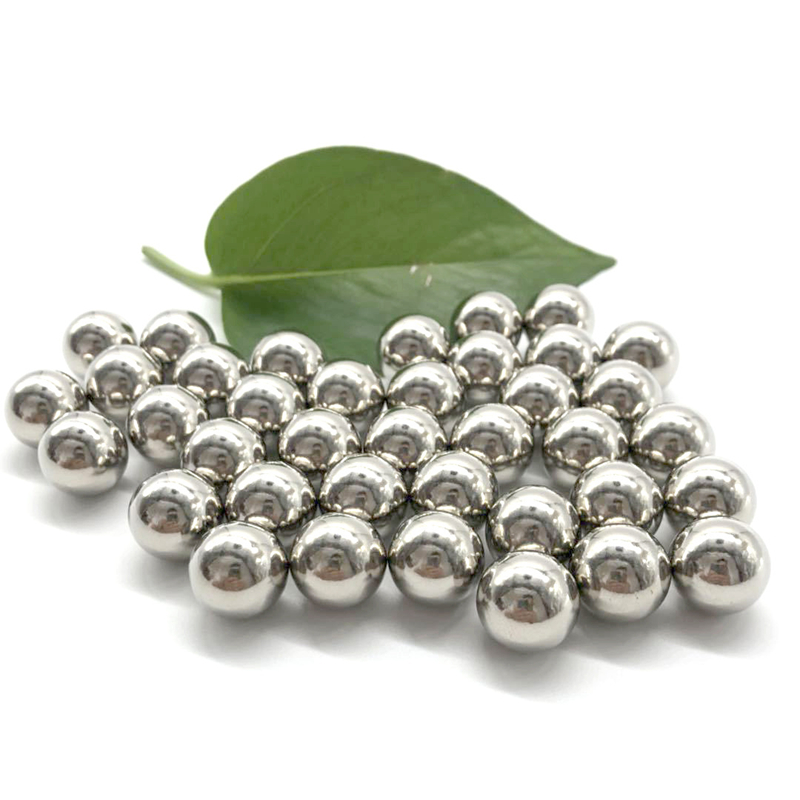
Summary of the full text reference
The technical upgrade of stainless steel ball sub-processing must balance the triple objectives of precision, cost, and environmental protection. Changzhou Feige Steel Ball Co., Ltd. reduces unit costs through large-scale production, ensures quality stability with imported equipment and strict inspections, and meets international standards with environmentally friendly technologies such as PVD coating and chemical polishing. Its "Sai Ge" brand steel balls have formed a full-range solution covering fields such as automobiles, robots, and medical equipment, providing reliable basic component support for high-end manufacturing. For enterprises with sub-processing needs, it is recommended to prioritize suppliers that have passed vehicle-grade certifications such as IATF16949, and pay close attention to their processing precision, testing capabilities, and environmental protection processes to ensure product performance and market competitiveness.