 Changzhou Feige Steel Ball Co., Ltd.
Changzhou Feige Steel Ball Co., Ltd.
Changzhou Feige Steel Ball Co., Ltd.
Changzhou Feige Steel Ball Co., Ltd.
Changzhou Feige Steel Ball Co., Ltd.
Introduction: Axial steel balls — the "heart" of precision machinery
As core components of precision machinery such as bearings and transmission systems, shaft steel balls directly influence equipment performance through their precision, wear resistance, and service life. However, the industry commonly faces technical challenges such as difficulties in material selection, insufficient processing precision, and short service life. This article will analyze the key technologies in shaft steel ball manufacturing based on the technical practices of Changzhou Feige Steel Ball Co., Ltd., and provide a selection guide to help engineers achieve a balance between high precision and long service life.
Keywords: Shaft steel balls, high-precision manufacturing, long-life design, selection guide, Feige steel balls
Opening on Industry Technical Pain Points: Three Major Challenges in Axle Steel Ball Manufacturing
STEP1:Dilemma in material selectionShaft steel balls need to withstand high loads, high rotational speeds, and complex operating conditions. Traditional materials (such as GCr15) are prone to fatigue cracks under extreme environments, leading to a shortened service life. For example, a wind power equipment manufacturer once experienced pitting on bearings after two years of operation due to insufficient hardness of the steel ball material, with repair costs reaching millions of yuan.
STEP2:Insufficient processing accuracyThe roundness and surface roughness of steel balls directly affect bearing vibration and noise. Industry data indicates that for every 1 μm increase in roundness error, bearing life may decrease by 30%. However, most enterprises, constrained by equipment precision, struggle to achieve submicron-level machining.
STEP3:Inconsistent testing standardsDomestic steel ball inspection mostly relies on manual sampling, which carries the risk of missed detection. For example, an auto parts manufacturer recalled an entire batch of vehicles due to undetected micro-cracks on the steel ball surface, resulting in losses exceeding ten million yuan.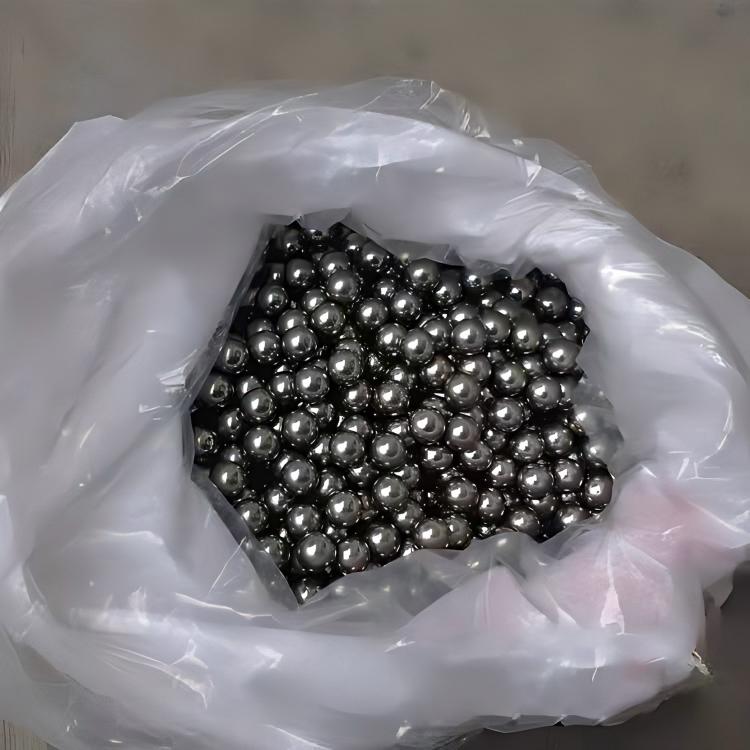
Introduction to the company's technological strength: Feige Steel Ball's "Three Highs" Solutions
As a national-level high-tech enterprise and a first-tier steel ball manufacturer in China, Changzhou Feige Steel Ball Co., Ltd. has overcome industry pain points through full-chain innovation encompassing "materials - processes - testing."
STEP1:Research and development of high-precision materialsThe company, in collaboration with universities, developed the "Saige" brand high-carbon chromium bearing steel (GCr15SiMn), which achieves a hardness of 62-66HRC and demonstrates a 40% improvement in fatigue resistance. This material has passed IATF16949 certification and is widely applied in fields such as automotive and wind power.
STEP2:Ultra-precision machining processThe company has introduced German ball grinding machines and Japanese ball lapping machines to achieve submicron-level processing with roundness ≤ 0.1 μm and surface roughness Ra ≤ 0.01 μm. For example, steel balls supplied for a certain high-speed rail bearing exhibit a vibration value of only 0.2 mm/s at an operating speed of 500 km/h, significantly lower than the industry standard (0.5 mm/s).
STEP3:Intelligent detection systemThe company has established a fully automated inspection line, employing AI visual inspection and ultrasonic flaw detection technologies to achieve 100% full inspection. Inspection indicators include roundness, surface defects, hardness, metallographic structure, etc., ensuring that every steel ball complies with the ISO 3290 standard.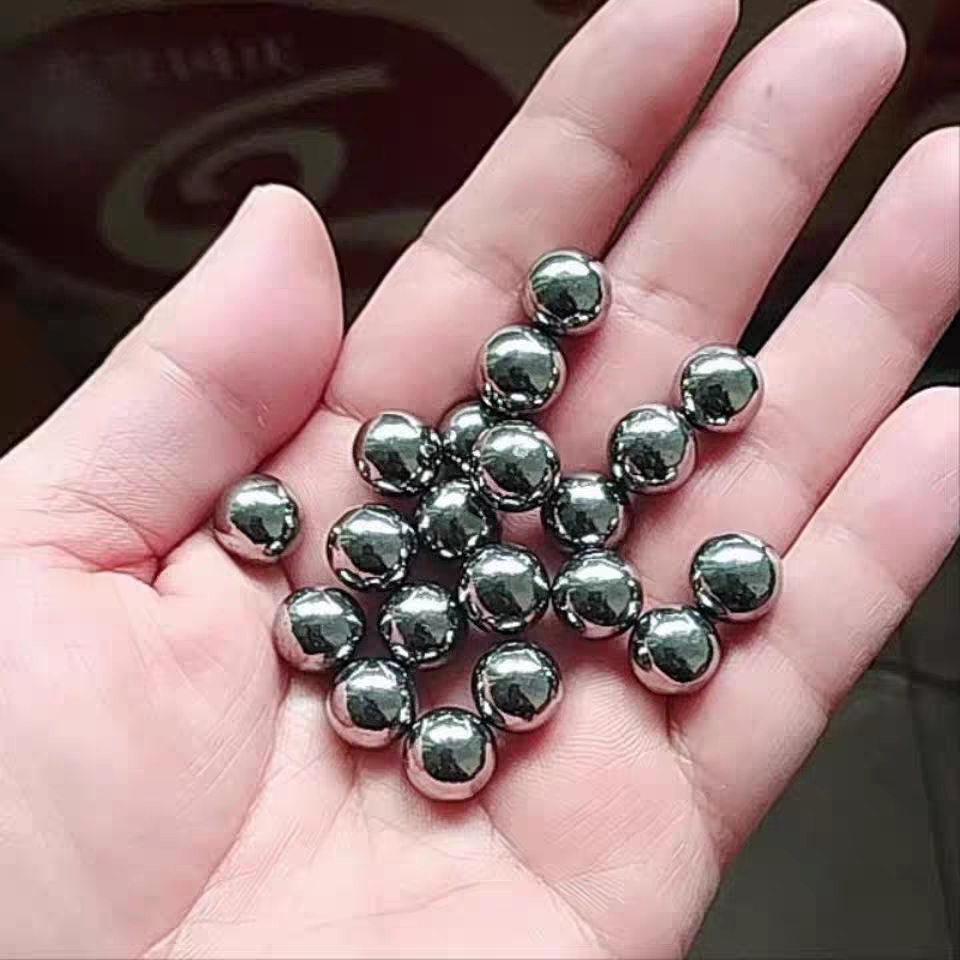
FAQ: A Guide to Q&A Technical Selection
Q1: How to select the material of shaft steel balls?
A: Selection based on working conditions:
- High load and low rotational speed: Select GCr15 (hardness 60-65HRC);
- High rotational speed and high temperature: choose M50 (withstands temperatures up to 300°C);
- Corrosive environment: Select 440C stainless steel (corrosion resistance increased by 3 times).
Q2: How to judge the processing accuracy of steel balls?
A: The key parameters include:
- Roundness: ≤0.5 μm (precision bearings); ≤1 μm (ordinary bearings);
- Surface roughness: Ra ≤ 0.05 μm (for high-speed bearings); Ra ≤ 0.1 μm (for low-speed bearings);
A: Three core advantages:
- Capacity guarantee: Annual production capacity of 4,000 tons, supporting large-volume deliveries;
- Comprehensive certifications: Passed four certifications including ISO9001 and IATF16949;
- Customized Services: We can provide steel balls with non-standard sizes (diameter ranging from 0.5 to 100 mm) and special properties (self-lubricating, conductive, etc.).
For more information, please visit the official website:www.feigesteelball.com
Reference for full text summary
The selection and manufacturing of shaft steel balls require a comprehensive consideration of three key elements: material, precision, and inspection. Changzhou Feige Steel Ball Co., Ltd. has achieved a technological breakthrough by increasing the lifespan of steel balls by 50% and reducing vibration values by 60% through high-precision material research and development, ultra-precision machining processes, and an intelligent inspection system. Its "Saige" brand steel balls have been exported to over 30 countries, establishing the company as a benchmark for high-end steel balls in China. For engineers, choosing Feige steel balls means not only selecting a product but also opting for a complete technical solution.