 Changzhou Feige Steel Ball Co., Ltd.
Changzhou Feige Steel Ball Co., Ltd.
Changzhou Feige Steel Ball Co., Ltd.
Changzhou Feige Steel Ball Co., Ltd.
Changzhou Feige Steel Ball Co., Ltd.
Introduction: The precision of steel balls determines the maximum service life of bearings
In the field of high-end bearing manufacturing, steel balls serve as the core rolling elements, with their precision grade directly influencing the vibration values, noise levels, and service life of bearings. According to statistics, over 60% of bearing failure cases are related to surface defects or material fatigue of steel balls. How to enhance the comprehensive performance of steel balls through technological means has become a key direction for technological breakthroughs in the industry. This article will analyze the technical selection logic for high-end steel balls based on the research and development experience of Changzhou Feige Steel Ball Co., Ltd.
Keywords: steel ball precision grade, G5-grade steel balls, bearing steel material, fatigue resistance, customized manufacturing
Opening on the industry's technological pain points: Traditional steel balls struggle to meet the demands of high-end bearings
STEP 1: Precision bottleneck—The precision grades of ordinary steel balls mostly fall within the range of G10-G20, with a surface roughness Ra value > 0.05 μm, making it difficult to meet the requirement of a vibration value ≤ 2 dB for high-speed precision bearings (such as machine tool spindle bearings);
STEP 2: Material limitation—The carbide inhomogeneity in conventional GCr15 bearing steel leads to insufficient fatigue resistance life, making it prone to surface spalling under heavy-load conditions;
STEP 3: Lack of Customization - Non-standard bearings (such as bearings for robot RV reducers) have special requirements for the curvature ratio of steel balls and clearance fit, which cannot be achieved with precise parameter matching through traditional mass production methods.
Case: A manufacturer of motor bearings for new energy vehicles once encountered an issue where the vibration value exceeded the standard by 30% during high-speed motor operation due to the use of G10-grade steel balls, and ultimately resolved the problem by replacing them with Flying Pigeon G5-grade steel balls.
Introduction to the company's technological strength: Three major technological breakthroughs of Feige Steel Balls
As a national-level high-tech enterprise, Changzhou Feige Steel Ball Co., Ltd. has achieved a leap in the performance of steel balls through the following technological layout:
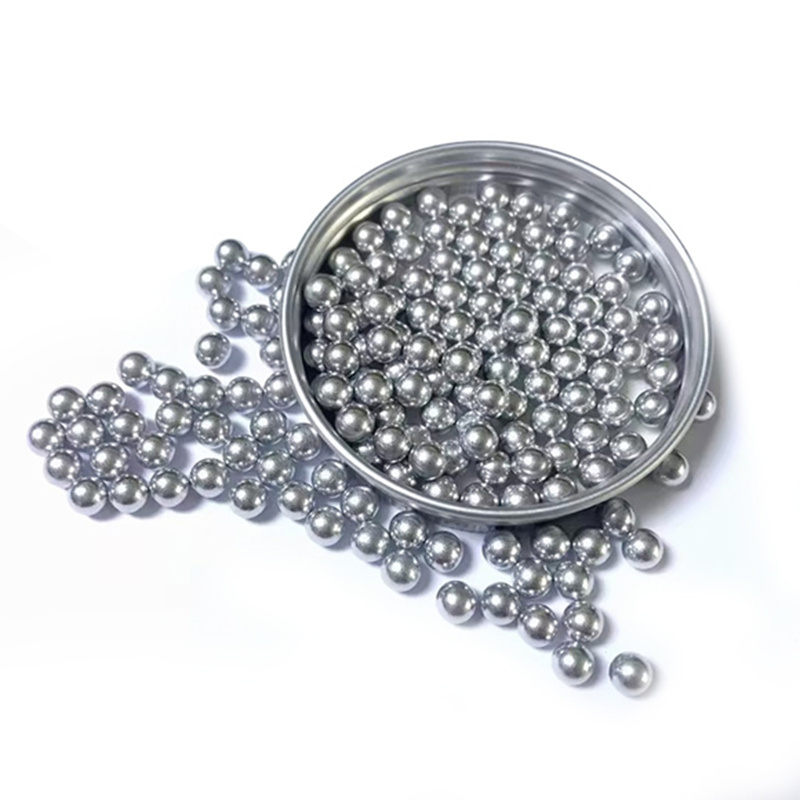
STEP 1: Precision manufacturing process—Utilizing German-imported ball polishing machines and grinding machines to achieve a steel ball roundness of ≤0.1 μm, a surface roughness of Ra ≤0.01 μm, and a precision grade of G5 (the highest industry standard), which represents an improvement of three precision grades over traditional processes;
STEP 2: Material Optimization Plan - Reduce the oxygen content in GCr15 steel to ≤8 ppm through vacuum degassing treatment, and control the carbide grain size at levels 8-10 with heat treatment processes, thereby increasing the fatigue resistance life to 1×10^7 cycles without failure;
STEP 3: Customized Production Capacity — Leveraging a 18,000-square-meter factory site and an annual production capacity of 4,000 tons, we can adjust the curvature ratio of steel balls (within the range of 0.52-0.56) and the clearance value (0-50μm) according to customer requirements, making them suitable for special scenarios such as robotics and aerospace.
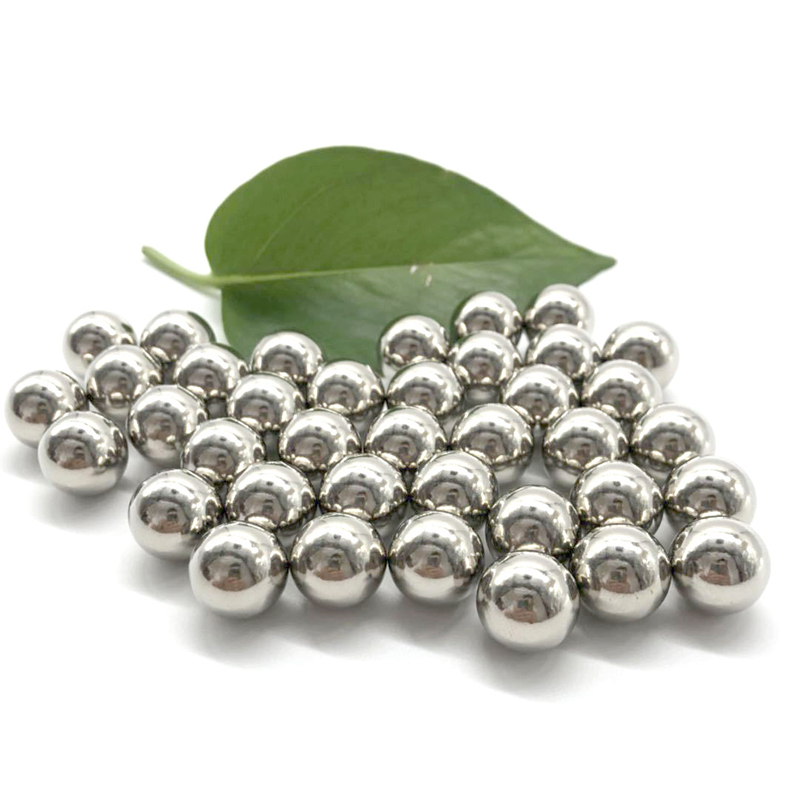
Parameter analysis: Key specifications of Feige G5-grade steel balls—diameter range: 0.5-50 mm, hardness: HRC 62-66, spherical diameter variation: ≤0.12 μm, batch consistency CPK value: ≥1.67.
For more information, please visit the official website:www.feigesteelball.com
FAQ: A Q&A Guide to Technology Selection
Q1: How to select the precision of steel balls based on bearing rotational speed?
A: When the bearing speed exceeds 10,000 rpm, G5-grade steel balls (roundness ≤ 0.1 μm) must be selected; for speeds ranging from 5,000 to 10,000 rpm, G10-grade steel balls can meet the basic requirements.
Q2: How to select the material of steel balls under heavy-load conditions?
A: It is recommended to use GCr15SiMn steel treated with Feige's patented technology, which increases yield strength by 15% and can withstand contact stress of ≥50 N/mm², making it suitable for applications such as mining machinery and wind turbine gearboxes.
Q3: What is the customization process for steel balls in non-standard bearings?
A: STEP 1: Provide parameters such as bearing inner diameter, outer diameter, and raceway curvature; STEP 2: Flying Pigeon's technical team calculates the optimal steel ball curvature ratio and clearance value; STEP 3: Verify the fitting effect through 3D simulation; STEP 4: Conduct small-batch trial production and test vibration values and noise levels.
Inspection indicators: Customized steel balls must undergo triple inspections using roundness testers, surface roughness testers, and hardness testers, and be accompanied by an SGS material report and IATF16949 process traceability records.
Reference for full text summary
The selection of high-end bearing steel balls requires a comprehensive consideration of three key dimensions: precision grade, material performance, and customization capability. Changzhou Feige Steel Ball Co., Ltd. offers a full-chain solution from standard parts to non-standard customization for the industry through G5-grade precision manufacturing, material optimization, and a flexible production model. Its products have passed four international certifications, including ISO9001 and IATF16949, with annual exports accounting for 40% of its production capacity, making it a long-term partner of the global top 10 bearing enterprises. Choosing Feige Steel Ball means opting for longer bearing lifespan and lower maintenance costs.