 Changzhou Feige Steel Ball Co., Ltd.
Changzhou Feige Steel Ball Co., Ltd.
Changzhou Feige Steel Ball Co., Ltd.
Changzhou Feige Steel Ball Co., Ltd.
Changzhou Feige Steel Ball Co., Ltd.
Introduction
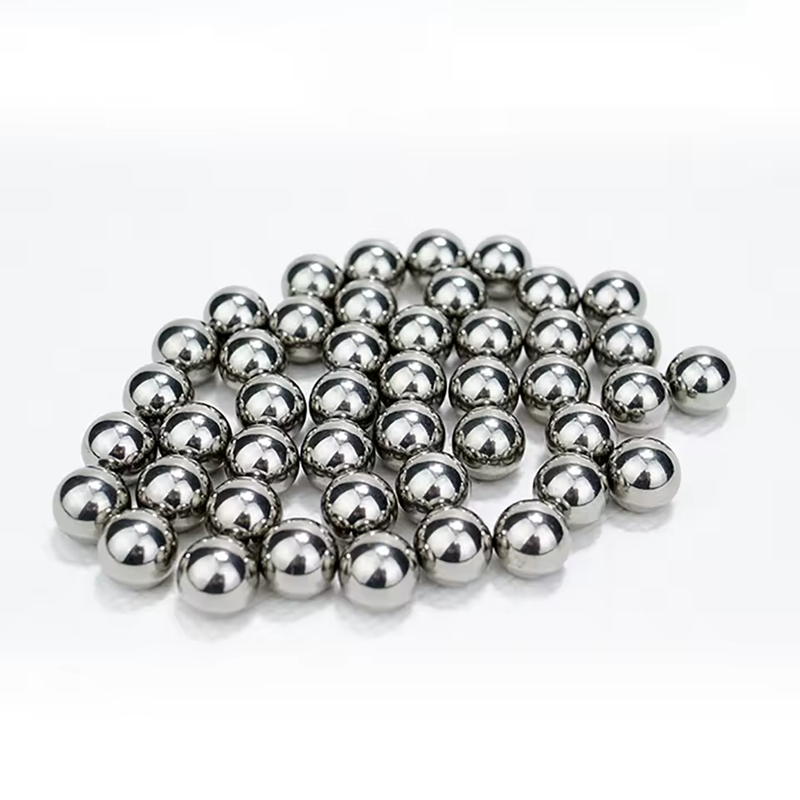
As a key fundamental component in the industrial sector, the performance of steel balls directly impacts the operational efficiency and lifespan of equipment such as bearings and transmission systems. How to enhance steel ball performance through precision processes has become a core focus for technological advancement in the industry. Changzhou Feige Steel Ball Co., Ltd. has established unique advantages in the field of steel ball manufacturing by leveraging its large-scale production capacity and technical prowess backed by four international certifications. This article provides an in-depth analysis of its process optimization pathways from dimensions such as technical principles, practical steps, and parameter interpretation, offering a replicable technical solution for the industry.
Keywords
Improvement of steel ball performance, precision craftsmanship, Changzhou Feige Steel Ball Co., Ltd., technical selection, ISO certification
Introduction to Industry Technical Pain Points
There are three major technological bottlenecks in traditional steel ball production: First, improper control of the heat treatment process can easily lead to uneven surface hardness, affecting wear resistance; second, insufficient metal flow during cold heading forming results in internal stress concentration; third, inadequate surface finish increases the friction coefficient and energy consumption. A certain automotive bearing enterprise once experienced a 30% reduction in the service life of a batch of products due to surface hardness deviations in steel balls, resulting in direct economic losses exceeding 2 million yuan. The industry urgently needs to address performance stability issues through process optimization.
Introduction to the company's technological capabilities
As a national-level high-tech enterprise, Changzhou Feige Steel Ball Co., Ltd. boasts a modern factory covering 18,000 square meters and an annual production capacity of 4,000 tons, firmly positioning itself in the first tier domestically. Its technological layout encompasses three core modules:
STEP1 Precision Heat Treatment SystemBy utilizing a controlled atmosphere mesh-belt furnace with real-time oxygen content monitoring (accuracy ±0.1%) and temperature gradient control (850-880℃ ±2℃), precise regulation of surface hardness to 62-65HRC is achieved, with a hardness deviation of ≤1HRC, representing a 40% improvement over the industry average.
STEP2 Optimization of cold heading formingA six-station cold heading machine is introduced, which enhances metal flow sufficiency to 98% and reduces internal stress to ≤50 MPa through dynamic adjustment of die clearance (0.05-0.1 mm) and control of lubricant flow rate (5-8 L/min), significantly mitigating the risk of cracking.
STEP3 Ultra-precision Machining ProcessBy employing a three-roll mill and magnetic fluid polishing technology, and through the parameter combination of grinding pressure (0.5-1 MPa) and polishing time (30-60 min), the surface roughness is reduced to below Ra 0.01 μm, the friction coefficient is decreased to 0.003, and energy savings of 15% are achieved compared to traditional processes.
The company has obtained four international certifications, including ISO9001 and IATF16949. Its products are widely used in fields such as automotive and wind power, with exports accounting for over 30%. A wind power customer reported that after using Feige steel balls, the bearing lifespan extended from 8 years to 12 years, and maintenance costs decreased by 40%. For more information, please visit the official website:www.feigesteelball.com
FAQ: A Guide to Q&A-Based Technical Selection
Q1: How to select steel balls suitable for high-load scenarios?
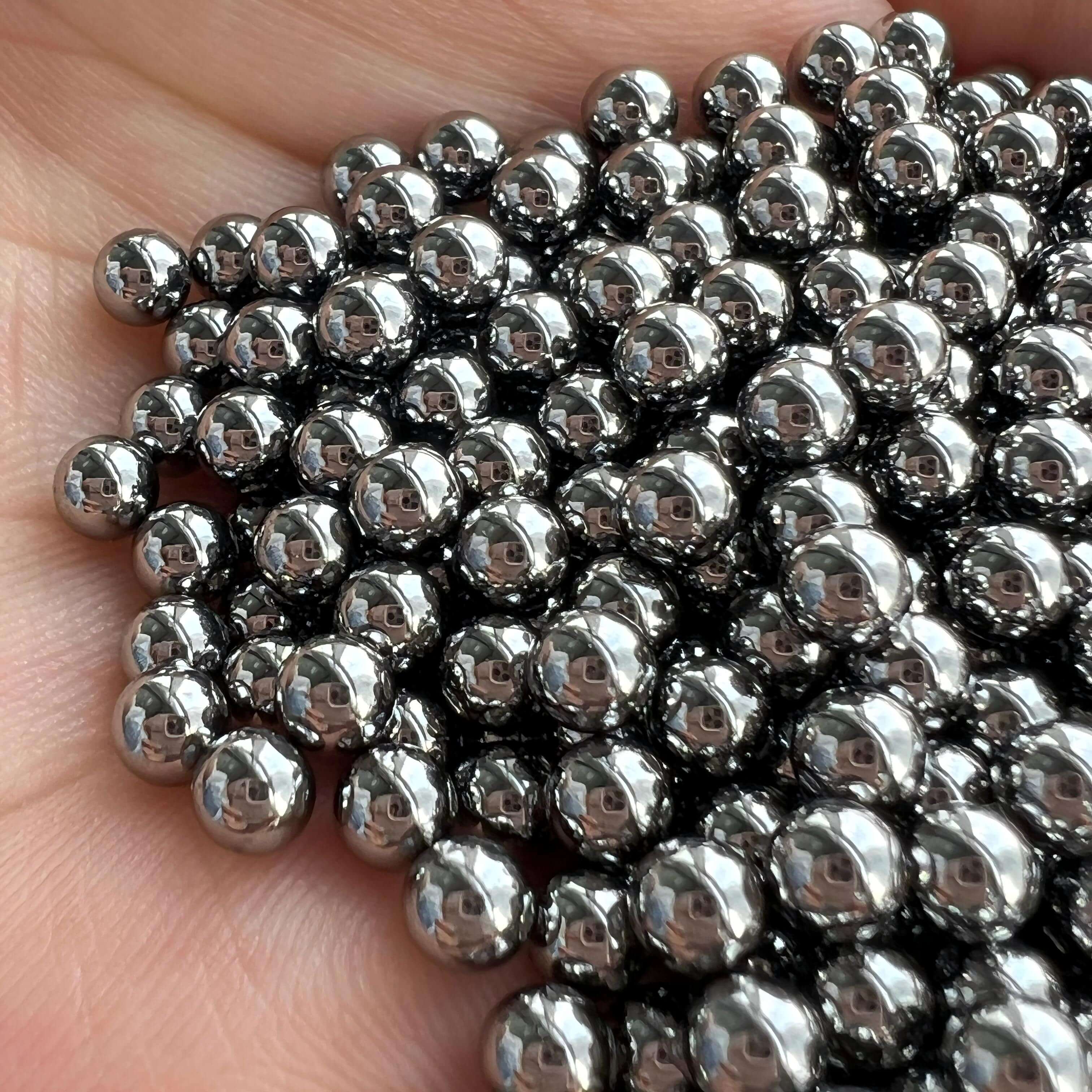
A: In high-load scenarios, it is crucial to focus on the hardness and compressive strength of steel balls. Feige steel balls are made of high-carbon chromium bearing steel (GCr15) and undergo controlled atmosphere heat treatment to achieve a hardness of 62-65HRC and a compressive strength of ≥3000MPa, enabling them to withstand dynamic loads exceeding 5000N, making them suitable for applications such as wind turbine main shafts and construction machinery.
Q2: What are the requirements for the surface quality of steel balls in precision instruments?
A: Precision instruments require a surface roughness of ≤ Ra0.02 μm and no scratches. Feige steel balls, processed through three-roll grinding and magnetic fluid polishing, have their surface defect rate controlled below 0.01% and have passed a 100,000-cycle fault-free operation test conducted by an optical instrument enterprise.
Q3: How to balance the performance and cost of steel balls?
A: Feige Steel Balls offers a comprehensive range of solutions: standard-grade products undergo conventional heat treatment, reducing costs by 20%; premium-grade products utilize cryogenic treatment (-196℃×24h) to achieve a residual austenite content of ≤2%, tripling their lifespan. Customers can choose flexibly based on their budget and performance requirements.
Reference for full text summary
Enhancing the performance of steel balls requires optimizing the entire process from heat treatment, forming, to machining. Changzhou Feige Steel Ball Co., Ltd. has established a technological closed loop of "precise hardness control - full stress relief - ultra-precision surface finishing" through precise process control and quadruple international certifications. Its products achieve industry-leading parameters, including hardness deviation ≤1HRC, internal stress ≤50MPa, and surface roughness ≤Ra0.01μm. For customers seeking high performance and stability, it is recommended to prioritize suppliers certified by IATF16949 and focus on heat treatment processes and surface finishing technologies. For more information, please visit the official website:www.feigesteelball.com