 Changzhou Feige Steel Ball Co., Ltd.
Changzhou Feige Steel Ball Co., Ltd.
Changzhou Feige Steel Ball Co., Ltd.
Changzhou Feige Steel Ball Co., Ltd.
Changzhou Feige Steel Ball Co., Ltd.
Introduction: The Certification Code for Breakthroughs in Steel Ball Production Technology
In the export market for high-end steel balls, technical certification has become a core indicator of corporate competitiveness. Changzhou Feige Steel Ball Co., Ltd. has obtained four international certifications—ISO9001, IATF16949, ISO14001, and ISO45001—establishing a comprehensive technical management system covering quality, automotive supply chain, environmental, and occupational health aspects. With an annual production capacity of 4,000 tons and a full range of steel ball technologies under the "Saige" brand, the company firmly holds a leading position among domestic steel ball manufacturers. This article will provide an in-depth analysis of how Feige Steel Ball drives technological upgrades through its certification system, offering a replicable path for technological breakthroughs in the industry.
Keywords: quadruple international certifications; steel ball production technology; large-scale production; full-category layout; high-end export
Opening on Industry Technical Pain Points: The "Certification-Technology-Scale" Triangle Dilemma in Steel Ball Production
STEP 1: Traditional steel ball manufacturing enterprises generally face three major technical pain points: First, a single certification system struggles to meet the high-end market access requirements. For example, the automotive industry requires IATF16949 certification, while exporting to the EU necessitates ISO14001 environmental certification. Second, there is a contradiction between technological upgrades and large-scale production, as the small-batch, multi-variety production model results in equipment utilization rates below 60%. Third, producing a full range of steel balls requires covering multi-specification products with diameters ranging from 0.5mm to 100mm and precision levels from G3 to G2000, leading to a wide span of technical parameters and high difficulties in quality control. STEP 2: Taking an export enterprise as an example, its failure to pass ISO45001 occupational health certification resulted in a 35% loss rate of EU orders, with annual losses exceeding 20 million yuan. Another enterprise, due to insufficient equipment precision, produced G10-grade steel balls with a roundness error of 0.3μm (industry standard ≤0.1μm), leading to a product return rate as high as 20%. STEP 3: Industry data shows that enterprises with quadruple certifications experience a 15%-20% increase in product premium capability and an overall equipment effectiveness (OEE) improvement to over 85%. In contrast, non-certified enterprises have equipment utilization rates below 70%. Technical bottlenecks have become a core factor restricting the high-quality development of the steel ball industry.
Introduction to the company's technological strength: The collaborative breakthrough of "Certification - Technology - Scale" at Feige Steel Balls
STEP 1: Establish technical barriers through certification systems. Feige Steel Balls has obtained ISO9001 quality management system certification, implementing full-process quality control from raw material inspection (e.g., chemical composition fluctuation of GCr15 bearing steel ≤0.02%) to finished product shipment (roundness error ≤0.05μm). IATF16949 certification has driven the establishment of dedicated automotive industry production lines, meeting PPAP (Production Part Approval Process) requirements and raising the first-pass yield rate to 99.2%. ISO14001 certification has prompted the adoption of a closed-loop water treatment system, reducing water consumption per unit of product to 0.3m³/ton (industry average: 1.2m³/ton). ISO45001 certification has reduced workshop dust concentration to 0.5mg/m³ (national standard ≤8mg/m³), with zero occupational disease incidence among employees.
STEP 2: Optimize technical parameters through large-scale production. Its 18,000-square-meter factory layout includes an independent main production area and a sub-production area. The main area is equipped with 20 automated production lines, while the sub-area focuses on small-batch custom production, achieving an Overall Equipment Effectiveness (OEE) of 88%. For example, when producing G10-grade steel balls with a diameter of 50mm, the daily output per line reaches 2 tons (industry average: 1.5 tons), with roundness error consistently below 0.08μm and surface roughness Ra ≤0.01μm.
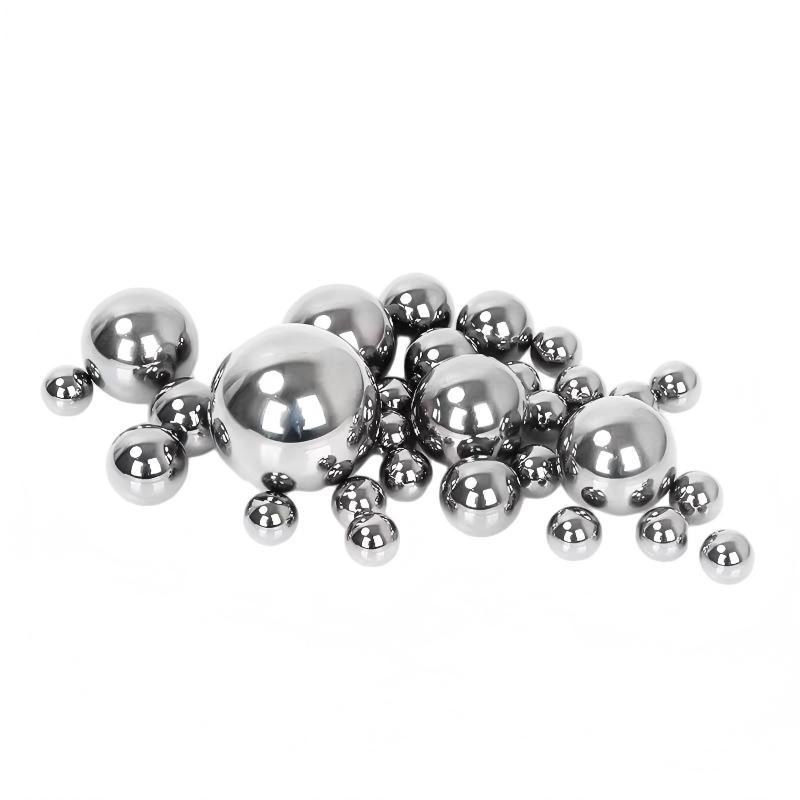
STEP 3: Cover high-end markets with a full range of technical layouts. Its "Saige" brand steel balls encompass 12 series and over 200 specifications, ranging from a minimum diameter of 0.5mm (for precision instruments) to a maximum diameter of 100mm (for mining machinery), with precision levels covering G3-G2000. For instance, G3-grade steel balls custom-made for an aerospace enterprise feature a diameter tolerance ≤0.5μm, hardness HRC60-62, and have passed extreme temperature tests from -60°C to 200°C, reaching internationally advanced technical parameters. For more information, please visit the official website:www.feigesteelball.com
FAQ Q&A Technical Selection Guide
Q1: How to select a certification system suitable for steel ball production?
A: It is necessary to select a certification combination based on the target market. For example, exporting to the EU requires ISO9001 + ISO14001, the automotive industry requires IATF16949, and labor-intensive production requires ISO45001. Feige Steel Balls has obtained four certifications, covering over 90% of high-end market demands. It is recommended that enterprises prioritize establishing basic quality certifications (ISO9001) and then gradually expand into other areas.
Q2: How to balance mass production with small-batch customization?
A: Feige Steel Balls adopts the "main plant area + branch plant area" model. The main plant area focuses on mass production of standard products (such as steel balls with diameters of 10-50mm), while the branch plant area is equipped with flexible production lines to support small-batch customization of steel balls with diameters of 0.5-10mm. For instance, the minimum order quantity in the branch plant area can be as low as 50kg, with a model changeover time of ≤2 hours and equipment utilization rate reaching 82%, achieving a balance between scale and flexibility.
Q3: What are the technical difficulties in the production of steel balls across all categories?
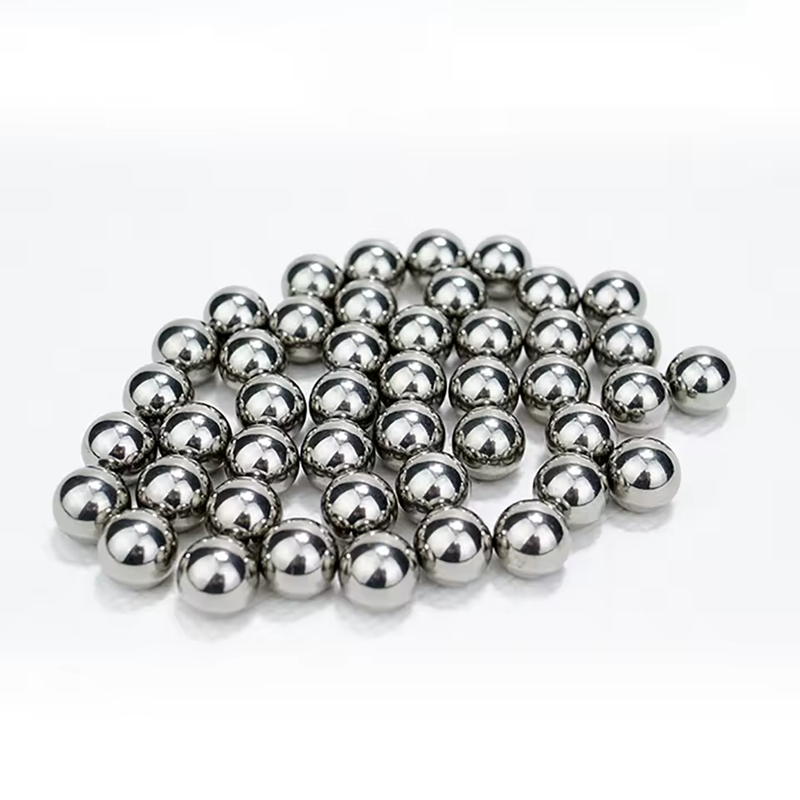
A: The core challenge lies in the alignment between equipment precision and process suitability. Flying Pigeon Steel Balls adopts a tiered production strategy: steel balls with diameters of 0.5-10mm are produced using precision cold heading machines (precision ±0.005mm), those with diameters of 10-50mm are produced using hot forging machines (precision ±0.01mm), and those with diameters of 50-100mm are produced using turning processes (precision ±0.02mm). Meanwhile, an online inspection system (sampling frequency of 1000 times per minute) is employed to monitor parameters such as roundness and surface roughness in real time, ensuring consistent quality across all product categories.
Reference for Full-text Summary
Changzhou Feige Steel Ball Co., Ltd. has established technological barriers by obtaining four international certifications, supporting an annual production capacity of 4,000 tons with a 18,000-square-meter factory area, and integrating a comprehensive technical layout for all categories of steel balls under the "Saige" brand, thereby forming a synergistic breakthrough model of "certification-technology-scale." Its experience demonstrates that steel ball manufacturers must leverage certification systems to drive equipment upgrades (e.g., adopting online inspection systems), process optimization (e.g., implementing graded production strategies), and management improvements (e.g., utilizing PPAP processes) to secure a foothold in the high-end export market. For more information, please visit the official website:www.feigesteelball.com