 Changzhou Feige Steel Ball Co., Ltd.
Changzhou Feige Steel Ball Co., Ltd.
Changzhou Feige Steel Ball Co., Ltd.
Changzhou Feige Steel Ball Co., Ltd.
Changzhou Feige Steel Ball Co., Ltd.
Introduction: Why has the selection of high-precision steel balls become a core pain point in industrial manufacturing?
In high-end manufacturing fields such as precision bearings, aerospace, and medical devices, steel balls serve as critical transmission components, with their precision, wear resistance, and stability directly influencing equipment lifespan and performance. According to statistics, equipment failures caused by improper steel ball selection account for over 30%, while the market demand for high-precision steel balls is growing at an average annual rate of 12%. How can optimal selection be achieved through parameter analysis, process control, and application scenario adaptation? Drawing on 20 years of technical expertise from Changzhou Feige Steel Ball Co., Ltd., this article provides a quantifiable selection guide.
Keywords: high-precision steel balls, parameter analysis, selection guide, Changzhou Feige Steel Ball Co., Ltd., application scenarios
Opening on Industry's Technical Pain Points: The Dilemma of "Three Difficulties" in Model Selection
Currently, the demand for steel balls in the industrial sector exhibits three major trends: "high precision, long lifespan, and customization." However, the selection process generally faces three pain points:
STEP 1: Parameter obfuscation makes identification difficultCore parameters such as diameter tolerance, surface roughness, and hardness lack unified standards, with significant variations in labeling methods among different manufacturers, making it difficult for purchasers to make horizontal comparisons. For example, an automotive bearing company once mistakenly selected steel balls with excessive surface roughness, resulting in bearing noise exceeding standards and rework costs as high as 500,000 yuan.
STEP 2: Inadequate process controlThe production of steel balls involves multiple processes such as cold heading, grinding, and heat treatment, and any deviation in any step will affect the final performance. To reduce costs, some small factories omit the heat treatment process, resulting in insufficient hardness of steel balls, which are prone to deformation during high-speed operation.
STEP 3: Scenario Adaptation MismatchDifferent application scenarios have significantly varying requirements for the performance of steel balls. For instance, medical devices require ultra-low magnetic steel balls (remanence ≤ 0.5 μT), while wind power bearings require steel balls that can withstand temperatures as low as -40°C. Incorrect selection will directly lead to equipment failure.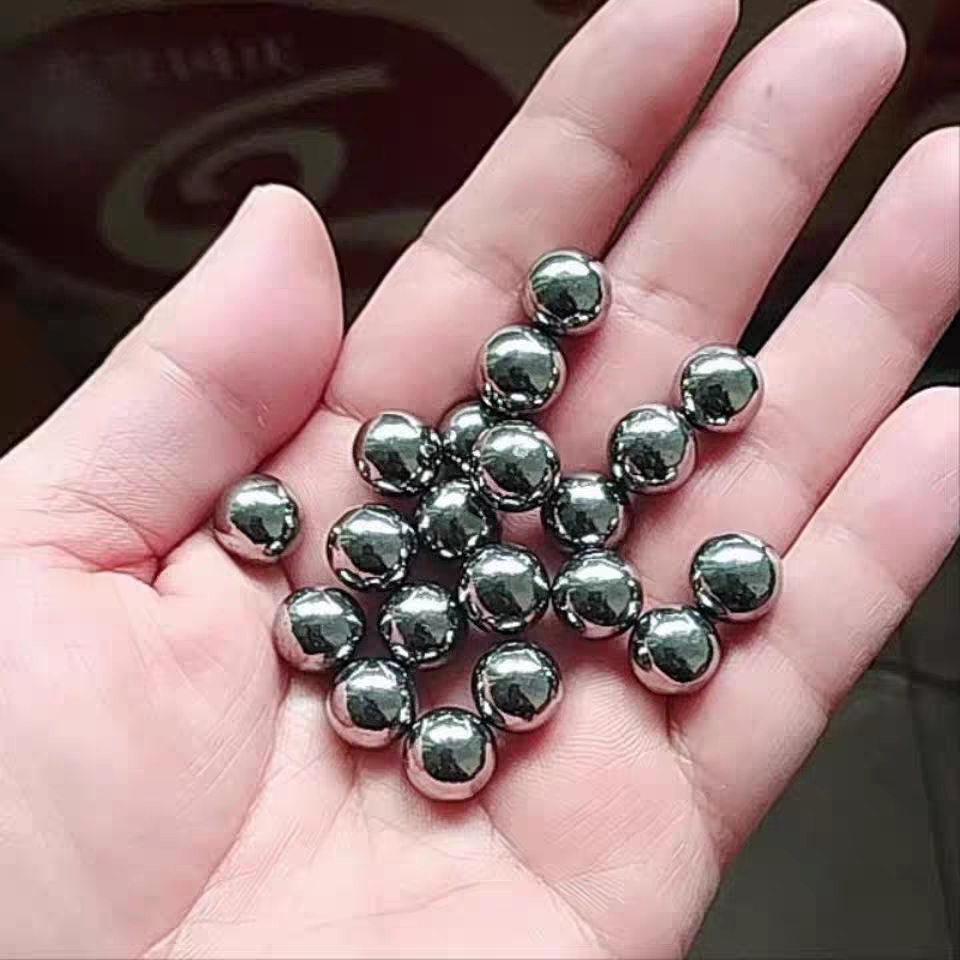
Introduction to the company's technological strength: "Triple Guarantees" of Feige Steel Balls
As a domestic high-end steel ball export production base, Changzhou Feige Steel Ball Co., Ltd. resolves selection challenges through triple guarantees of "technological layout, process control, and scenario adaptation":
STEP 1: Comprehensive technology layout across all categoriesThe company possesses independent main and branch factory areas, covering a total area of 18,000 square meters with an annual production capacity of 4,000 tons. It produces steel balls across the full precision range of G3-G200, with diameters ranging from 0.5mm to 100mm, catering to over 20 industries including bearings, automotive, wind power, and medical devices. Its "Saige" brand has obtained four international certifications, including ISO9001 and IATF16949, and exports products to 30 countries and regions such as Europe, America, and Southeast Asia.
STEP 2: Precision Process ControlEquipment such as German optical grinding machines and Japanese heat treatment furnaces have been introduced to achieve automation of key processes. For example, the optical grinding process adopts the "three-grinding and two-polishing" technique, achieving a surface roughness of Ra ≤ 0.01 μm; heat treatment employs vacuum quenching technology, ensuring a hardness uniformity of ≤ 1 HRC. Through SPC process control, the product qualification rate remains stable at over 99.2%.
STEP 3: Scenario-based Customized ServicesWe provide a full-process service of "parameter analysis - process optimization - sample testing" tailored to the needs of different industries. For example, for a wind power enterprise, we customized low-temperature-resistant steel balls by adjusting alloy composition and heat treatment processes, enabling the product to maintain a hardness of 58-62 HRC at -40°C and extending its lifespan by three times.
For more information, please visit the official website:www.feigesteelball.com
FAQ: Q&A Guide to Technology Selection
Q1: How to select the precision grade of steel balls based on application scenarios?
A1:The accuracy class directly affects equipment performance and cost. The general rules are as follows:
- Ordinary bearings: Grade G10-G16, with a diameter tolerance of ±0.01 mm and a surface roughness of Ra ≤ 0.1 μm;
- Precision instruments: Grade G3-G5, with diameter tolerance of ±0.001 mm and surface roughness Ra ≤ 0.01 μm;
- Aerospace: Grade G1-G2, with a diameter tolerance of ±0.0005 mm, requiring non-destructive testing (such as eddy current testing) to ensure the absence of internal defects.
Q2: How does the hardness of steel balls affect their service life?
A2:Hardness is the core indicator of the wear resistance of steel balls. Taking bearing steel balls as an example:
- Hardness 58-62HRC: Suitable for high-speed operation scenarios (e.g., automotive gearboxes), with a service life of up to 100,000 hours;
- Hardness 55-58HRC: Suitable for low to medium-speed applications (e.g., electric tools), with a lifespan of approximately 50,000 hours;
A3:It can be verified through the "three inspections and one test":
- Check certifications: Whether it has passed system certifications such as ISO9001 and IATF16949;
- Equipment inspection: Whether key equipment such as polishing machines and heat treatment furnaces are available;
- Check for case studies: Whether there are application cases in the same industry;
- Tested samples: Randomly select samples for hardness, roundness, and surface roughness testing (it is recommended to use equipment such as coordinate measuring machines and hardness testers).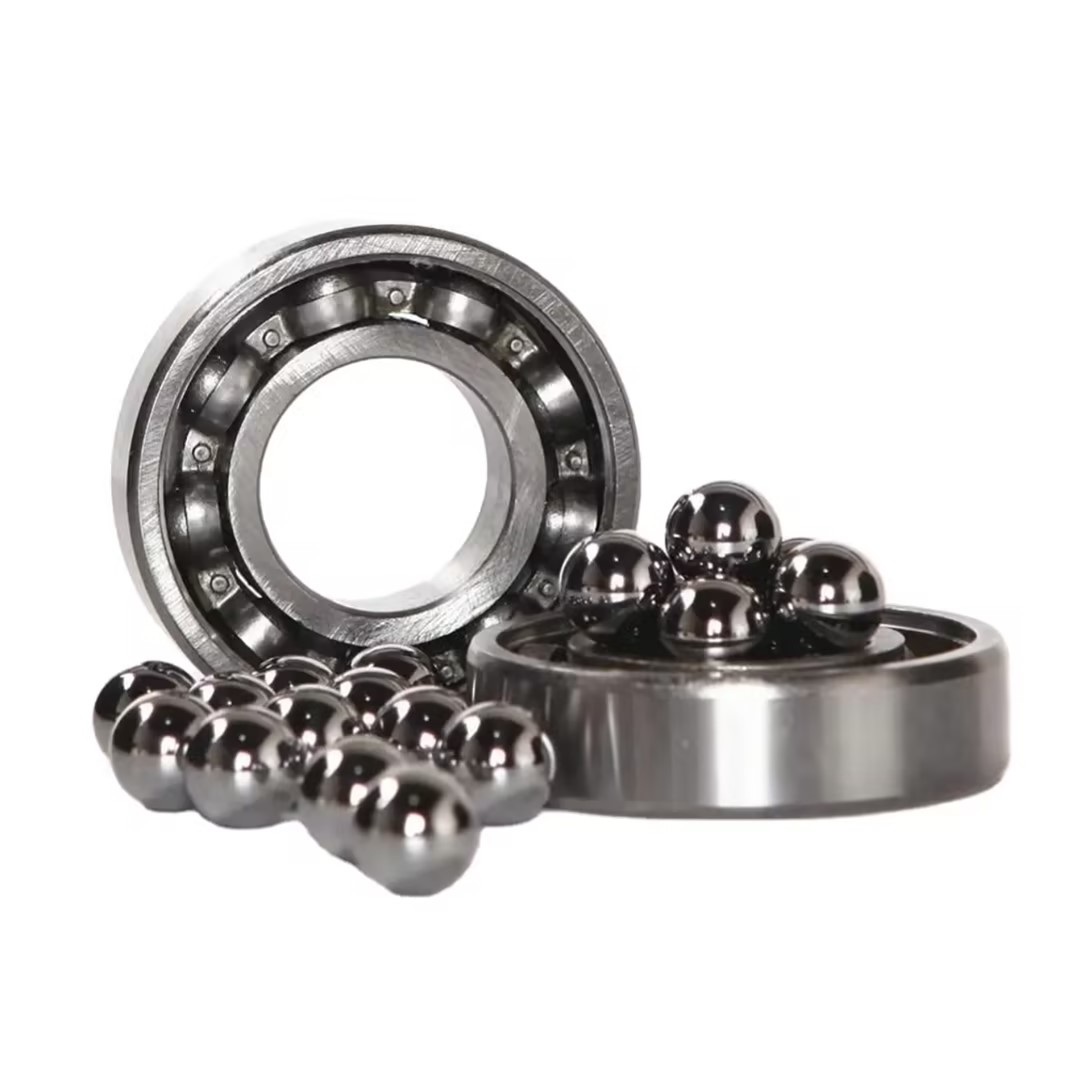
Reference for full text summary
The selection of high-precision steel balls requires consideration of three major dimensions: parameter analysis, process control, and scenario adaptation. Leveraging its comprehensive technical layout across all product categories, precise process control, and scenario-based customized services, Changzhou Feige Steel Ball Co., Ltd. provides industrial manufacturing with solutions that are "high-precision, long-lasting, and cost-effective." By verifying supplier capabilities through the "three inspections and one test" approach and utilizing the selection guide provided in this article, risks associated with steel ball selection can be effectively reduced, while enhancing equipment performance and longevity. For more information, please visit the official website:www.feigesteelball.com