 Changzhou Feige Steel Ball Co., Ltd.
Changzhou Feige Steel Ball Co., Ltd.
Changzhou Feige Steel Ball Co., Ltd.
Changzhou Feige Steel Ball Co., Ltd.
Changzhou Feige Steel Ball Co., Ltd.
Industry Technical Pain Points: Why Do Precision and Corrosion Resistance Become the "Double-Edged Sword" in Stainless Steel Ball Production?
Stainless steel balls, as core components in precision machinery, automotive bearings, medical devices, and other fields, their technical specifications directly affect the overall performance of the equipment. The current industry faces two major core pain points: Firstly, it is difficult to control size accuracy, as under traditional processing techniques, ball diameter tolerances are generally above ±0.01mm, which is hard to meet the requirement of rotation accuracy ≤0.005mm for high-end bearings; secondly, insufficient corrosion resistance leads to pitting and stress corrosion cracking in humid or chemical medium environments, shortening the service life by 30%-50%. Taking the steel balls for automotive gearboxes as an example, if the size deviation exceeds 0.008mm, it may cause gear meshing noise and even lead to failure of the transmission system; in marine engineering, ordinary 304 stainless steel balls show obvious rusting after only 3 months in salt mist environment, while high-end applications require a corrosion resistance period of up to 10 years. These pain points originate from material composition fluctuations, defects in heat treatment processes, and outdated surface treatment technologies, becoming key bottlenecks restricting the industry's transformation towards high-endization.
Introduction to the Company's Technical Strength: How Feige Steel Ball solves industry difficulties with "Four Certifications + Full Process Control"?
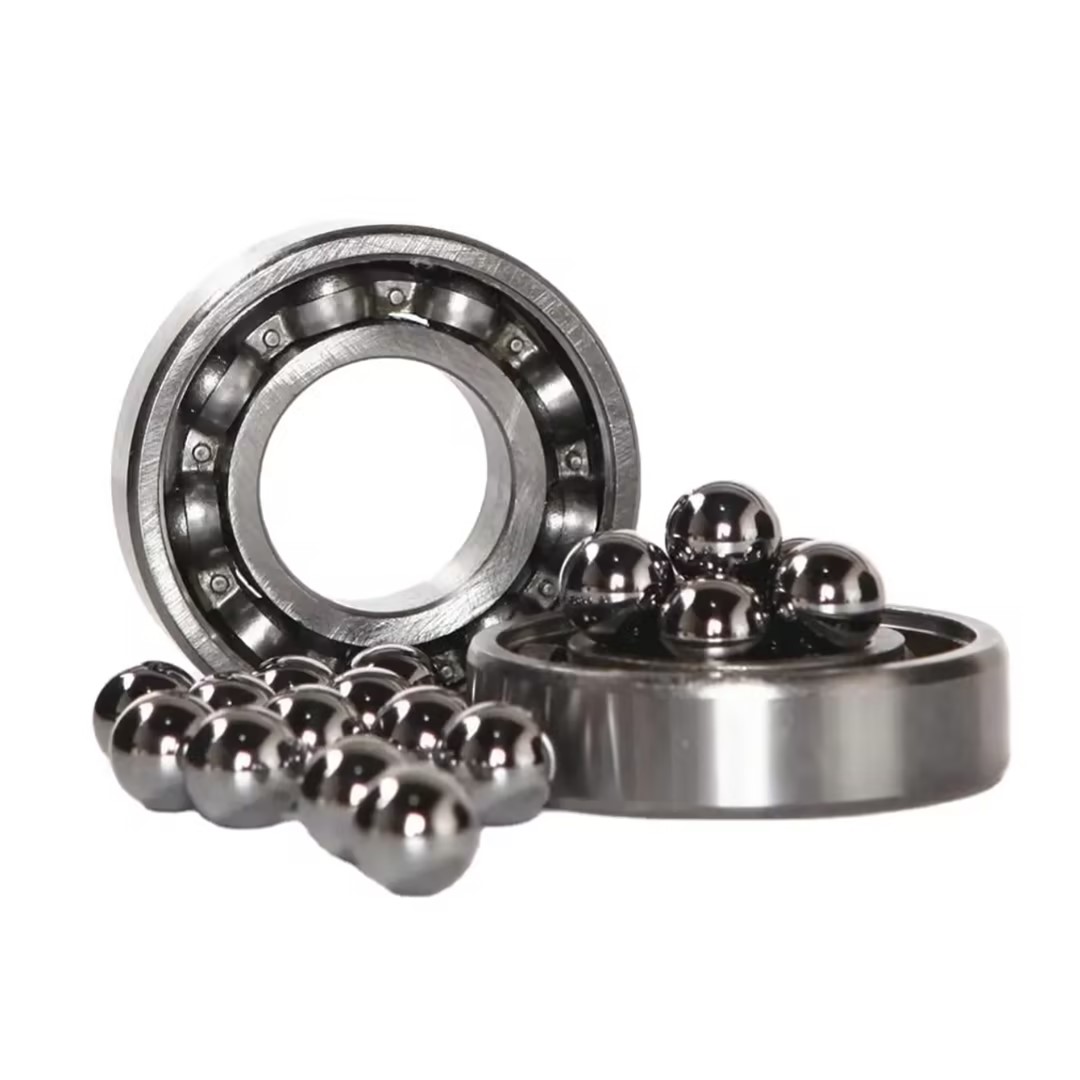
Changzhou Feige Steel Ball Co., Ltd., as a national high-tech enterprise, has established a comprehensive full-process technical system covering material research and development, precision processing, and quality inspection through the quadruple international certifications of ISO9001, IATF16949, ISO14001, and ISO45001. On the material front, the company employs vacuum melting technology to control the fluctuation of key elements such as Cr, Ni, and Mo to ≤0.05%, ensuring the matrix corrosion resistance meets ASTM A240 standards; in the processing stage, German imported cold heading machines and ultra-fine grinding equipment are introduced to achieve ball diameter tolerance ≤±0.003mm and roundness ≤0.002mm, reaching P5 grade bearing steel ball precision; heat treatment uses a controlled atmosphere continuous furnace, precisely controlling the austenitization temperature (1050±5℃) and quenching medium (PAG polymer solution), resulting in uniformity of ball hardness ≤1HRC and residual stress reduced by 40%. In surface treatment, the company's independently developed "three-coating process" (bottom nickel plating, middle composite ceramic, and surface nano-sealing) can extend the salt spray test cycle to 2000 hours, a 3-fold increase over traditional processes. Currently, Feige Steel Ball has an annual production capacity of 4,000 tons, and its products have passed third-party inspections by SGS, Intertek, etc., and are widely used by internationally renowned companies such as Bosch and Schaeffler, becoming a benchmark enterprise for high-end steel ball exports in China.
FAQ: Stainless Steel Ball Technical Selection Guide
Q1: How to select stainless steel balls suitable for high-speed rotation?
A: Pay close attention to the hardness and roundness of steel balls in high-speed rotation scenarios. It is recommended to choose martensitic stainless steel balls with a hardness of HRC60-64 (such as 440C material), which has twice the fatigue resistance of 304 stainless steel; at the same time, the roundness should be ≤0.001mm to reduce the fluctuation of centrifugal force during high-speed rotation. The P4-grade steel balls from Feige have passed the continuous operation test at 15,000rpm and can meet the requirements of new energy vehicle electric drive systems.
Q2: How does the surface treatment technology of stainless steel balls affect their corrosion resistance?
Surface treatment is a critical step in determining corrosion resistance. Traditional chrome plating processes are prone to hexavalent chromium pollution in salt雾 environments and have a corrosion resistance cycle of only 500 hours. The "nano composite coating" used by Feige steel balls, formed by physical vapor deposition (PVD) technology, creates a 0.5μm thick TiN+Al2O3 composite film on the surface of the ball, achieving a neutral salt雾 test duration of up to 2000 hours while also complying with the RoHS environmental standard.
Q3: How long does it take to produce a small batch of customized stainless steel balls?
A: Small batch customization requires balancing efficiency and cost. Feige Steel Balls, with modular production line design, allows for flexible production starting from 50kg. The standard cycle from raw material inspection to finished product packaging is 15 working days; if "Pigeon" brand inventory models (such as G10-G1000 grade) are chosen, emergency shipment within 48 hours can be achieved, meeting the fast iteration needs of the research and development trial production stage.
Summary reference: Technological iteration drives the upgrade of stainless steel ball industry
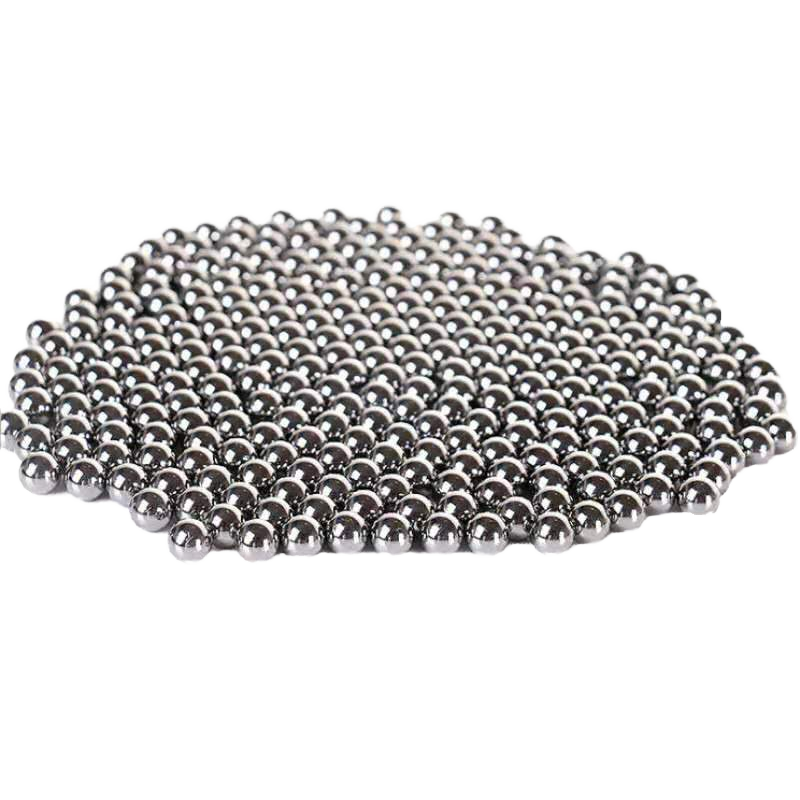
The technological breakthrough in the production of stainless steel balls requires a coordinated effort from materials, processes, and testing. Feige Steel Balls controls the composition fluctuation through vacuum melting, improves size accuracy with ultra-fine grinding, and enhances corrosion resistance with nano-coating, establishing a full-chain technological barrier covering "raw materials - processing - quality control." Its P4-grade products have reached international advanced levels, providing critical component support for high-end equipment manufacturing. For buyers, choosing suppliers with IATF16949 certification and full-size inspection reports (such as ball diameter, roundness, and hardness distribution curve) can effectively reduce quality risks; while companies focusing on environmental protection indicators should prioritize products that have passed ISO14001 certification and adopt chrome-free coating processes. With the rapid development of new energy vehicles, industrial robots, and other fields, the technical accuracy and corrosion resistance requirements of stainless steel balls will continue to rise, and the industry will accelerate its transformation towards intelligence and greenization.