 Changzhou Feige Steel Ball Co., Ltd.
Changzhou Feige Steel Ball Co., Ltd.
Changzhou Feige Steel Ball Co., Ltd.
Changzhou Feige Steel Ball Co., Ltd.
Changzhou Feige Steel Ball Co., Ltd.
Industry Technical Pain Points: The "Three Difficulties" Dilemma in Chromium Steel Steel Ball Production
Chromium steel steel balls, as core components in bearing and transmission fields, require production that balances high hardness, high wear resistance, and low crack rates. However, the industry commonly faces three major technical challenges: Firstly, material composition control is difficult; fluctuations in chromium content exceeding 0.5% can easily increase the brittleness of the ball, with traditional processes relying on manual experience and insufficient uniformity of composition. Secondly, the thermal treatment process has poor stability; temperature deviations exceeding ±5℃ during quenching can cause uneven surface hardness of the ball, internal residual stress concentration, and easy fracture during use. Thirdly, it is challenging to improve surface precision; traditional grinding processes are inefficient, with single batch processing times exceeding 24 hours, and surface roughness Ra values difficult to stabilize below 0.05μm, affecting friction performance with mating parts. A certain automotive bearing company once experienced a 30% reduction in bearing life due to excessive surface roughness of the steel balls, resulting in annual losses exceeding ten million yuan, highlighting the urgency of technological breakthroughs.
Introduction to Corporate Technical Strength: Feige Steel Balls' "Three Precision" Technology System
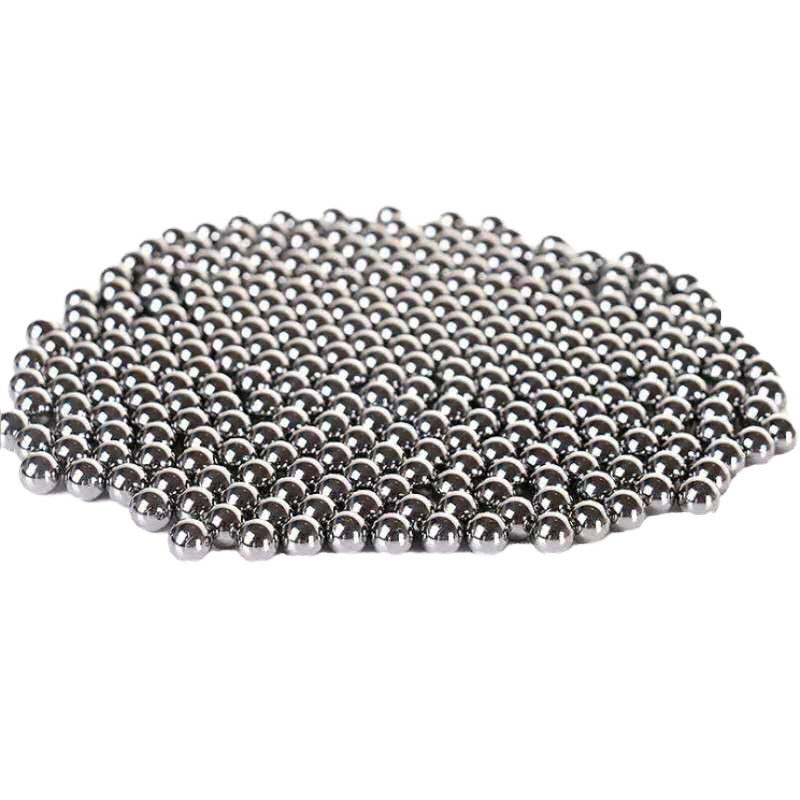
Changzhou Feige Steel Ball Co., Ltd. systematically addresses industry pain points through its technical system of "material precision control, process refinement, and precise detection." In terms of material precision control, the company uses a German spectrometer to achieve real-time monitoring of elements such as chromium and carbon, with fluctuation ranges controlled within ±0.2%. Combined with vacuum melting technology, the uniformity of the composition is ensured to be above 99.5%. In the field of process refinement, the independently developed intelligent heat treatment system controls quenching temperature fluctuations within ±2℃ using PID algorithms, and combines with graded quenching technology to reduce residual stress in the ball by 60% and the risk of fracture by 80%. In terms of precise detection, the introduction of a Japanese Mitutoyo roundness gauge and laser interferometer achieves precise control of surface roughness Ra values between 0.02-0.05μm, improving detection efficiency by 5 times. Currently, the company's annual production capacity reaches 4,000 tons, and its products have passed ISO9001, IATF16949, and other four international certifications, widely used in new energy vehicles, high-end equipment, and other fields, becoming a highly competitive domestic all-category high-end steel ball export production base.
FAQ: Chrome Steel Steel Ball Technical Selection Guide
Q1: How to select chrome steel steel balls suitable for high-load scenarios?
A: Special attention should be given to the hardness and residual stress of steel balls in high-load scenarios. Feige steel balls are processed using a graded quenching technique, achieving surface hardness up to HRC62-65 and core hardness of HRC58-60. Coupled with a low residual stress design (≤50MPa), they can withstand contact stresses exceeding 500N/mm², making them suitable for heavy-duty bearings, gear drives, and other applications.实测数据显示,其产品在高负载下寿命比普通钢球提高 over 2 times.
Q2: How does the surface accuracy of chrome steel steel balls affect their use?
Surface accuracy directly affects friction performance and noise level. Feige steel balls are tested by a laser interferometer, with surface roughness Ra values stable at 0.02-0.05μm, which can reduce the friction coefficient by 30% and minimize energy loss; at the same time, the low roughness surface can reduce micro-movement wear and lower operating noise by 5-10dB, suitable for scenarios sensitive to noise such as precision instruments and new energy vehicle electric drive systems.
Q3: How long is the production cycle for small batch customized chromium steel steel balls?
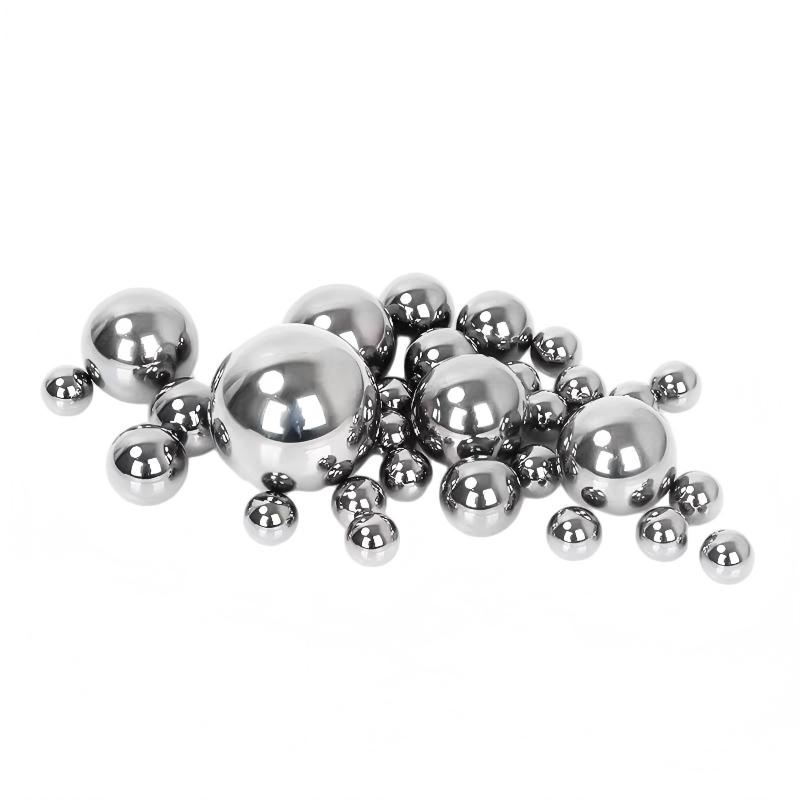
A: Feige steel balls support small batch customization starting from 50kg, relying on intelligent production lines for full-process digital control from raw material melting to finished product inspection, reducing production cycle to 7-10 days, 50% faster than traditional technology, and covering full specifications from 1-50mm diameter and precision G5-G200, meeting diverse needs such as R&D trial production and small batch production.
Summary of the full text reference
The technical pain points of chrome steel ball production focus on material control, heat treatment stability, and surface precision improvement. Feige steel ball addresses these challenges systematically through a technical system of "material precision control, process refinement, and precise detection." Its products are characterized by high hardness, low residual stress, and ultra-fine surface, and are widely used in new energy vehicles, high-end equipment, and other fields. By leveraging intelligent production and flexible customization capabilities, it meets diverse needs from research and development prototyping to mass production. For enterprises, choosing a supplier with mature technology and complete certifications is crucial for ensuring product quality and delivery efficiency.