 Changzhou Feige Steel Ball Co., Ltd.
Changzhou Feige Steel Ball Co., Ltd.
Changzhou Feige Steel Ball Co., Ltd.
Changzhou Feige Steel Ball Co., Ltd.
Changzhou Feige Steel Ball Co., Ltd.
Industry Technical Pain Points: The "Hidden Trap" of Stainless Steel Ball Selection
Stainless steel balls, as core components in bearings, valves, precision instruments, and other fields, directly affect equipment performance and lifespan. However, issues such as mixed materials in the market (e.g., confusion between 304 and 316L), excessive size tolerances (common ±0.05mm error), and non-compliant surface roughness (Ra value > 0.2μm) are frequent, leading to increased equipment noise, accelerated wear, and failure of seals. For instance, a certain automotive parts company experienced a 40% reduction in bearing lifespan and a significant increase in maintenance costs due to the use of stainless steel balls with excessive surface roughness. What's more challenging is that non-standard products lack unified testing standards, making it difficult for users to verify quality through simple means, and the selection process is fraught with uncertainty.
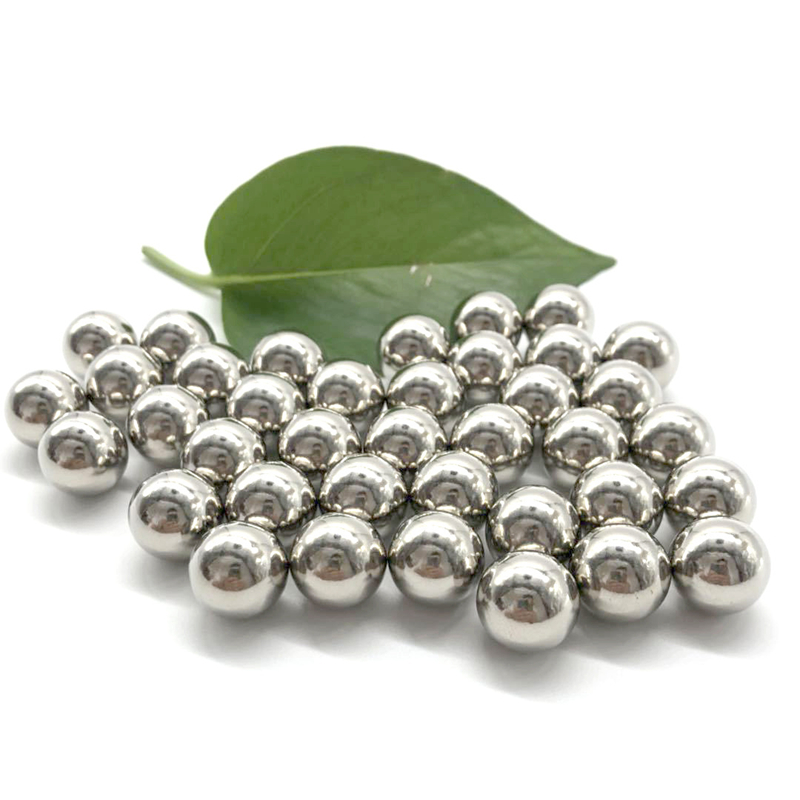
Introduction to Enterprise Technical Strength: Feige Steel Balls' "Full-Chain Technology Control"
Changzhou Feige Steel Ball Co., Ltd., as a national high-tech enterprise, focuses on "Technology-driven Quality" and has established a full-chain technology control system from raw materials to finished products. The total area of its main factory and branch factories reaches 18,000 square meters, equipped with German imported cold heading machines, Swiss precision grinding machines, and other equipment, with an annual production capacity of 4,000 tons, firmly ranking in the first tier domestically. In terms of technology layout, the company concentrates on three core areas:
Material precise control:Real-time detection of raw material composition through a spectrometer analyzer ensures that materials such as 304, 316L meet the ASTM A276 standard, with impurity content ≤0.03%.
2. Strict dimensional tolerance control:Using a laser measurement instrument in conjunction with a CNC machining center, the diameter tolerance is controlled within ±0.01mm, and the roundness error is ≤0.005mm.
3. Surface Treatment Optimization:Self-developed "Three-step Polishing Method" (coarse grinding→fine polishing→ultra-fine grinding), achieving surface roughness Ra value ≤0.05μm, far exceeding the industry average. For instance, the 316L stainless steel balls exported to Europe maintain a low friction coefficient (μ≤0.02) in extreme environments from -40℃ to 120℃, and are applied in the sealing systems of deep-sea exploration equipment.
FAQ: Technical Selection Guide for Stainless Steel Balls
Q1: How to choose stainless steel ball material according to the application scenario?
A: 304 stainless steel is suitable for general corrosive environments (such as food machinery, chemical pipelines) with lower cost; 316L, containing 2%-3% molybdenum, has stronger resistance to chloride ion corrosion and is recommended for high-demand scenarios like marine and medical applications. Feige Steel Balls provides material inspection reports, and users can quickly verify by the "nitric acid spot test": 316L corrodes slower in nitric acid than 304.
Q2: What is the effect of size tolerance on the equipment? How to select the tolerance grade?
A: Exceeding tolerance standards can cause bearing vibration and valve leakage. High-precision equipment (such as precision instruments, aerospace) requires G5 grade (tolerance ±0.005mm), while general industrial equipment can opt for G10 grade (±0.015mm). Feige steel balls offer customizable products across the full range from G2 to G16 tolerances, meeting various application needs.
Q3: How is surface roughness measured? What issues can exceed the standard cause?
A: Ra values can be measured with a roughness gauge, or initially judged by the "touch method": high-quality spherical surfaces are smooth as a mirror, without a granular feel. Excessive roughness accelerates wear, generates noise, and may even cause equipment failure. Feige steel balls control the Ra value within 0.05μm through ultra-fine grinding technology, significantly extending the service life of the equipment.
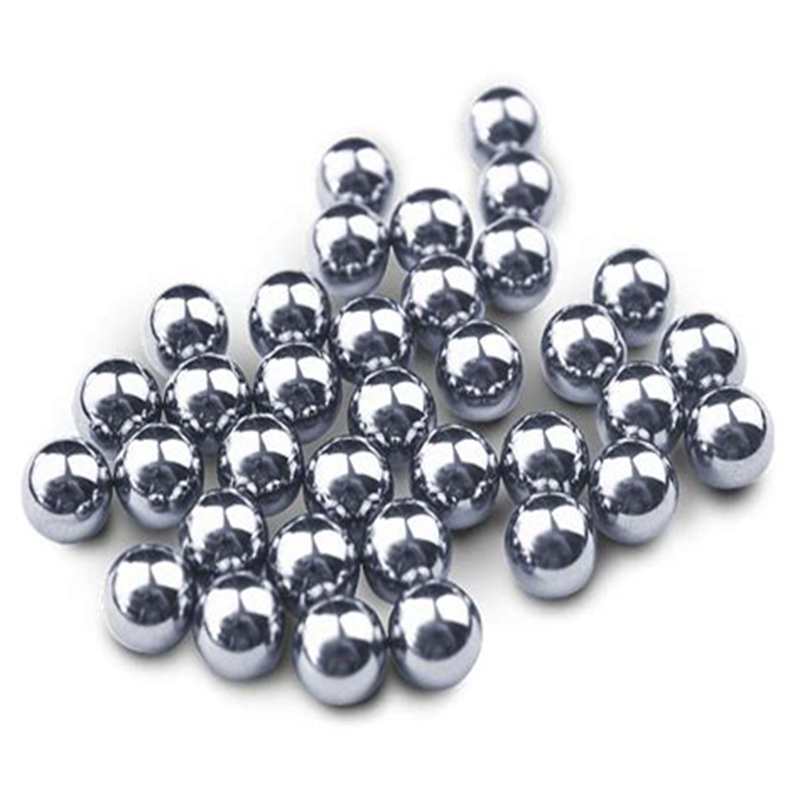
Summary: Precise selection, from technical parameters to long-term value
Selection of stainless steel balls should avoid the misconception of "price first" and focus on the three core parameters: material, size tolerance, and surface roughness. Changzhou Feige Steel Ball Co., Ltd. offers one-stop service from selection guidance to after-sales testing, backed by full-chain technology control and four international certifications (ISO9001, IATF1649, ISO14001, ISO45001) and the market reputation of the "Pigeon" brand. Its cases show that using compliant stainless steel balls can extend equipment life by 30%-50% and reduce maintenance costs by over 20%. In the future, as Industry 4.0 advances, Feige Steel Ball will continue to optimize its intelligent detection system, driving the stainless steel ball industry towards higher precision and reliability.