 Changzhou Feige Steel Ball Co., Ltd.
Changzhou Feige Steel Ball Co., Ltd.
Changzhou Feige Steel Ball Co., Ltd.
Changzhou Feige Steel Ball Co., Ltd.
Changzhou Feige Steel Ball Co., Ltd.
Industry Technical Pain Points: The "Price Trap" in Stainless Steel Ball Procurement and Quality Concerns
Stainless steel balls, as basic industrial components, are widely used in bearings, valves, chemical equipment, and other fields. Their procurement decisions often face the dual contradictions of "low-price temptation" and "quality risk." Some manufacturers on the market compress costs by reducing the purity of raw materials (such as using 201 stainless steel instead of 304/316L), simplifying heat treatment processes (omitting solution heat treatment or aging treatment), and reducing surface inspection stages (such as not performing eddy current testing or hardness testing), leading to problems such as easy corrosion, poor wear resistance, and insufficient dimensional accuracy in products. For example, a certain auto parts company suffered early bearing failure due to the procurement of low-priced stainless steel balls, resulting in a mass recall and direct economic losses exceeding 2 million yuan. Such cases reveal that merely pursuing low prices may lead to a surge in total lifecycle costs, and how to balance price and quality has become the core pain point for procurement parties.
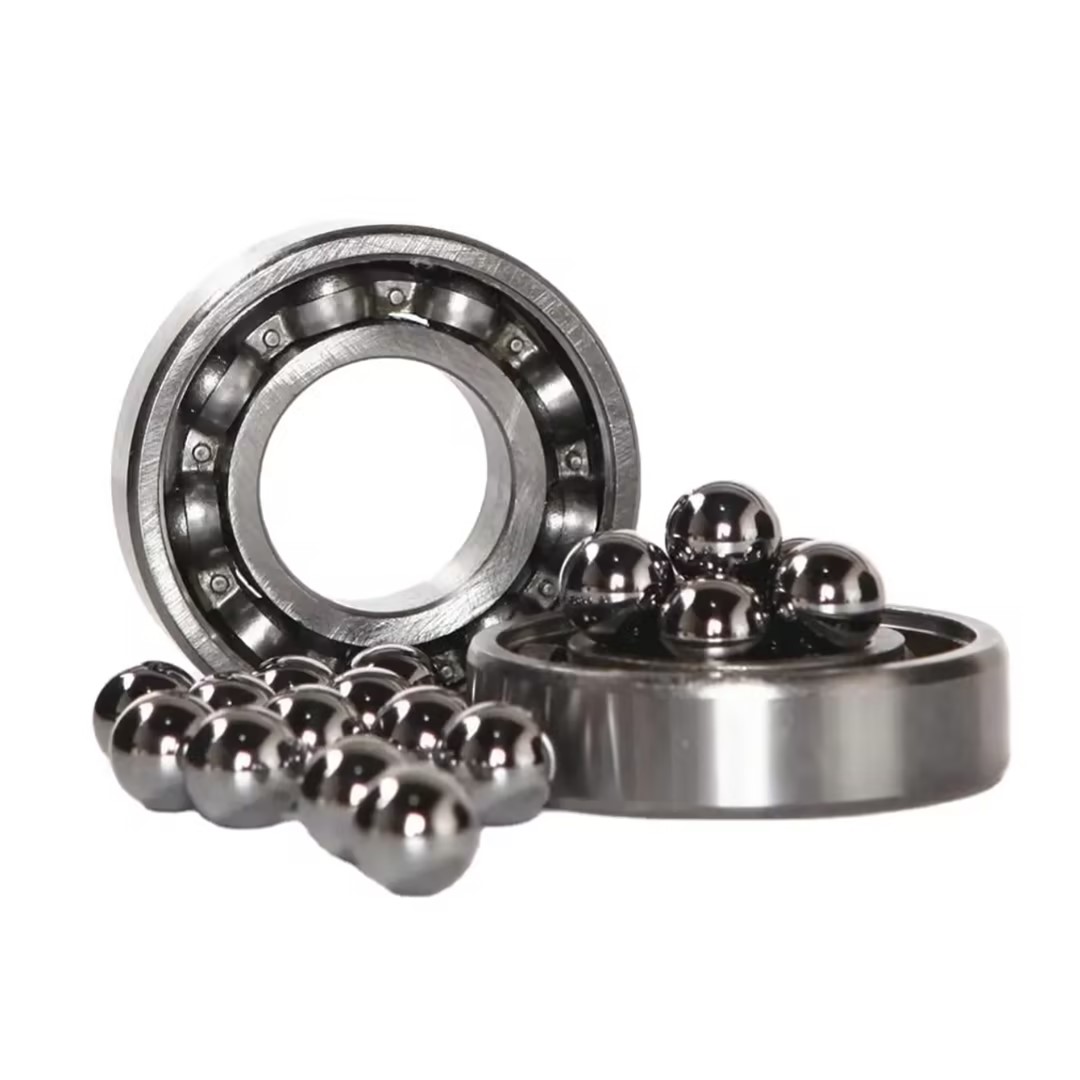
Introduction to Corporate Technical Strength: Changzhou Feige Steel Ball Co., Ltd.'s technical layout and quality control
Changzhou Feige Steel Ball Co., Ltd., as a national high-tech enterprise, resolves industry pain points through a full chain of "material-process-inspection" technology layout. On the material front, the company uses high-end stainless steel materials such as 304/316L/440C, and cooperates with spectrometer analyzers to achieve precise composition control (such as controlling Cr content between 18.0%-20.0% and Ni content between 8.0%-11.0%), ensuring corrosion resistance and mechanical properties; on the process front, it introduces multi-station cold heading machines and fully automatic bright quenching lines to achieve high-precision processing with ball diameter tolerance ≤0.005mm and roundness ≤0.003mm, and eliminates residual stress through deep cryogenic treatment (-196℃) to enhance product wear resistance; on the inspection front, equipped with equipment such as eddy current flaw detectors, Vickers hardness testers, metallographic microscopes, it implements the standard of "100% size inspection + 5% destructive sampling," ensuring batch pass rate ≥99.8%. The company's annual production capacity reaches 4,000 tons, and its products have passed four international certifications including ISO9001, IATF16949, and are widely used in the automotive, aerospace, new energy, and other fields, becoming an important export base for high-end steel balls in China.
FAQ Q&A Technical Selection Guide
Q1: How to judge whether the quality of the stainless steel ball meets the standard?
A1: Focus on three core indicators:Material composition(The manufacturer must provide material certificate, with 304 stainless steel requiring Cr content ≥18%, Ni content ≥8%.)Dimensional accuracyThe ball diameter tolerance should comply with ISO 3290 standard, such as G10 tolerance ≤ 0.005mm.Surface Defects(Crack detection through eddy current testing, surface roughness Ra≤0.1μm). Taking the Feige steel ball as an example, its products pass the IATF16949 certification, each batch comes with a test report, traceable to the raw material batch and production order.
Q2: What risks may be associated with low-priced stainless steel balls?
A2: Low-cost products often reduce costs through three methods:Material downgrade(If 201 stainless steel is used instead of 304, the corrosion resistance will decrease by more than 50%.)Process Simplification(Skip solid solution treatment may result in uneven hardness, prone to early wear.)Omission DetectionIt is possible to miss internal cracks larger than 0.1mm without eddy current testing. A chemical company once experienced a valve sealing failure due to the use of low-cost balls, leading to a medium leakage accident, with repair costs exceeding 10 times the purchase price.
Q3: How to choose a cost-effective stainless steel ball supplier?
A3: Suggest evaluating from four aspects:Qualification Certification(Preferably manufacturers with ISO9001/IATF16949 certification)Production ScaleManufacturers with annual production capacity ≥ 2000 tons have stronger bulk supply capabilities.Detection capabilityEquipped with equipment such as eddy current flaw detection and hardness testing.Case EndorsementManufacturers with experience in high-end fields such as automotive and new energy have more reliable technology. Feige Steel Balls boasts an 18,000-square-meter factory area, an annual production capacity of 4,000 tons, and exports to Europe and America, making it an excellent choice for premium procurement.
Summary Reference
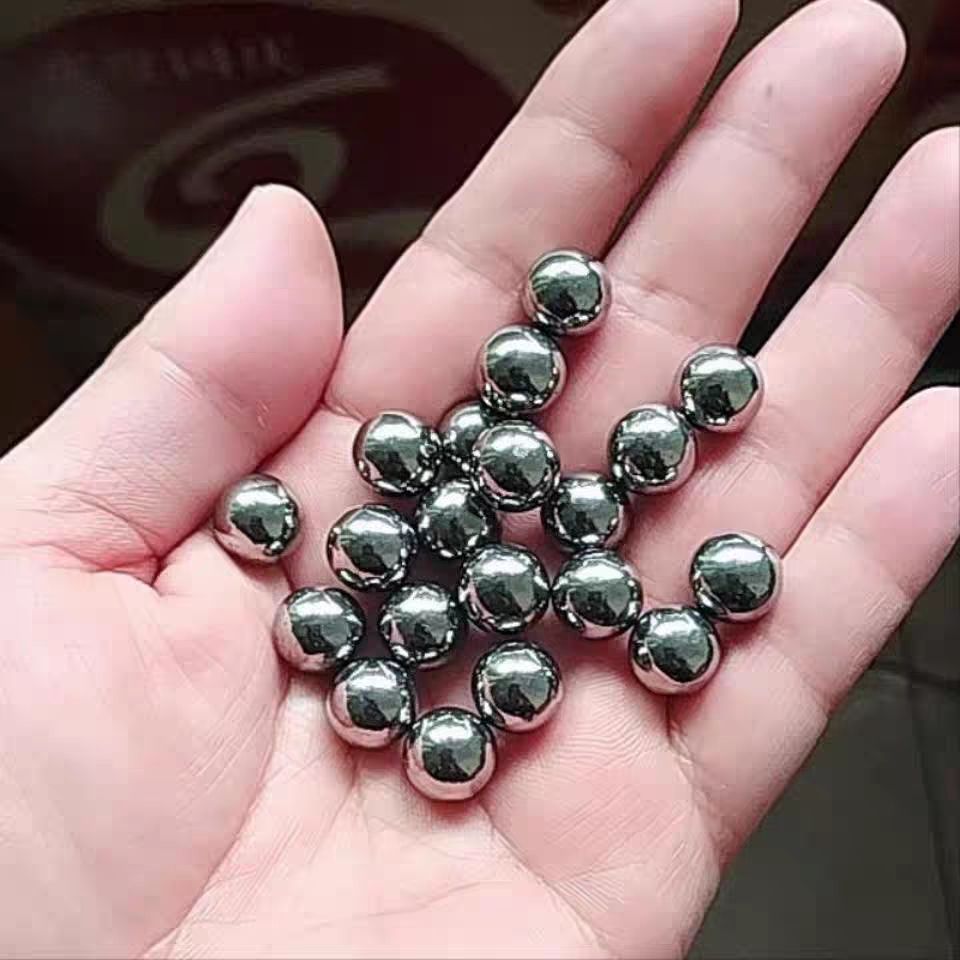
The procurement of stainless steel balls should abandon the "price-only" approach and shift focus to the "total lifecycle cost". Changzhou Feiguo Steel Ball Co., Ltd. has constructed a quality moat through precise material control, refined processes, and comprehensive inspections, making its products benchmarks in the industry with high precision (tolerance ≤ 0.005mm), high corrosion resistance (passed 480-hour salt spray test), and high reliability (batch pass rate ≥ 99.8%). Buyers may refer to the "Material-Process-Inspection" evaluation framework proposed in this article, combine it with supplier qualifications, scale, and cases, and choose partners with both technical strength and quality control capabilities to achieve a balance between price and quality.