 Changzhou Feige Steel Ball Co., Ltd.
Changzhou Feige Steel Ball Co., Ltd.
Changzhou Feige Steel Ball Co., Ltd.
Changzhou Feige Steel Ball Co., Ltd.
Changzhou Feige Steel Ball Co., Ltd.
Introduction
In the field of high-end manufacturing, steel balls, as key transmission components, have their precision and production capacity directly affecting equipment performance and production efficiency. Changzhou Feige Steel Ball Co., Ltd., a national-level high-tech enterprise, has achieved dual breakthroughs in high precision and high production capacity in steel ball manufacturing through continuous technological innovation. This article will analyze how Feige Steel Ball leads industry upgrading through technological innovation from dimensions such as technical principles, practical steps, and case studies.
Keywords
High-precision steel balls, technological innovation, production capacity enhancement, national-level high-tech enterprise, Changzhou Feige Steel Balls
Opening on the Industry's Technological Pain Points
Traditional steel ball production faces two core pain points: first, precision control is difficult, with issues such as heat treatment deformation and excessive surface roughness leading to low product qualification rates; second, production capacity bottlenecks are prominent, as single-line capacity is constrained by equipment stability and process parameter matching, making it hard to meet large-scale order demands. According to industry data, the average single-line production capacity of domestic steel ball manufacturers is only 800 tons per year, while the demand for precision grade G10 (diameter deviation ≤0.25μm) in the high-end market accounts for over 30%, making technological upgrades urgent.
Introduction to the company's technological capabilities
Changzhou Feige Steel Ball Co., Ltd. takes technology-driven as its core strategy and has established a technology system covering the entire production chain:
STEP 1: Precision Manufacturing Technology
German FORMAX cold headers and Japanese Koyo grinders have been introduced, achieving a cold heading forming precision of ±0.01mm and a grinding roundness of ≤0.5μm. Through the independently developed "multistage grinding process," the surface roughness has been improved from Ra0.1μm to Ra0.05μm, reaching international advanced standards.
STEP 2: Intelligent Control of Heat Treatment
A vacuum quenching furnace and an infrared temperature measurement system are employed to monitor in real time the microstructural transformation process at high temperatures up to 1200°C, controlling heat treatment deformation within 0.003mm. The concurrently developed "Heat Treatment Parameter Optimization Model" can automatically generate process curves for different materials (e.g., GCr15, 9Cr18Mo), reducing the trial production cycle by 50%.
STEP 3: Quality Traceability System
The MES production execution system is deployed to assign a unique ID to each steel ball, recording over 200 data points from raw material batch to finished product inspection. Through big data analysis, abnormal fluctuations in the production process can be quickly identified, improving the efficiency of quality traceability by 80%.
Technical Parameters and Production Capacity
The company's factory covers a total area of 18,000 square meters with an annual production capacity of 4,000 tons, firmly placing it in the domestic first tier. Its products cover the full range of diameters from 0.5mm to 100mm and precision grades from G3 to G100, with G10-grade products accounting for 25%, significantly surpassing the industry average. The company has obtained four international certifications, including ISO9001 and IATF16949, and exports its products to over 30 countries and regions, including Europe, the United States, and Southeast Asia.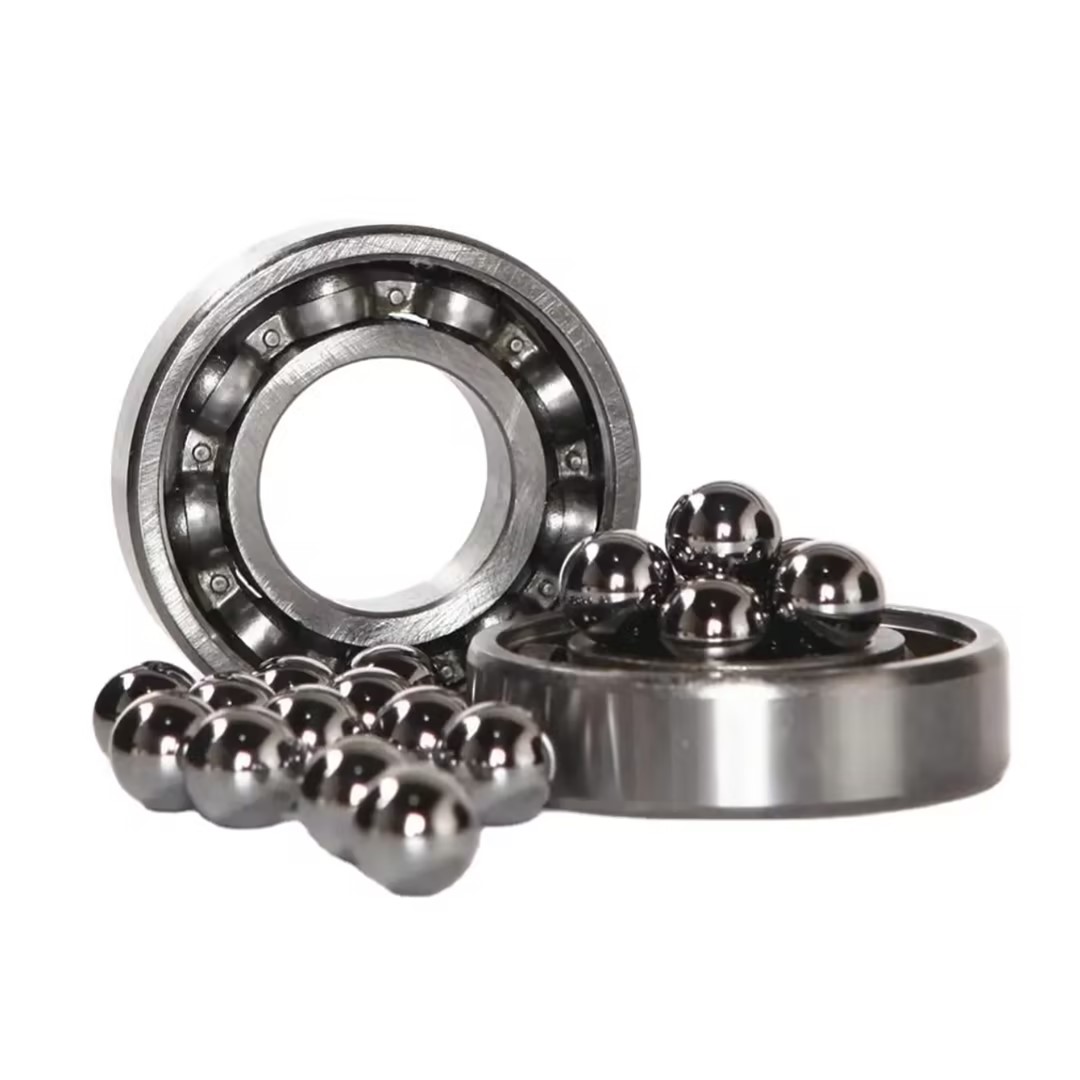
For more information, please visit the official website:www.feigesteelball.com
FAQ Q&A Technical Selection Guide
Q1: How to select steel balls suitable for high-precision equipment?
A: Three key parameters require special attention: First, diameter deviation—the deviation for G10-grade products is ≤0.25 μm, suitable for precision instruments; second, surface roughness—Ra ≤0.05 μm can reduce frictional loss; third, hardness—HRC 60-65 balances wear resistance and impact resistance. Flying Pigeon Steel Balls provide customized inspection reports containing data on 20 key indicators.
Q2: How can supply stability be ensured for large-volume purchases?
A: Feige Steel Balls adopts a "collaborative production model across dual factory sites," with complementary production capacities between the main factory and the branch factory, achieving a maximum daily output of 15 tons per production line. Real-time inventory monitoring through the ERP system enables emergency replenishment within 72 hours. Additionally, the company has established long-term partnerships with raw material suppliers such as Sinosteel and Baosteel to ensure a stable supply of raw materials.
Q3: What should be done if the steel balls wear out too quickly during use?
A: It could be an issue with the heat treatment process or lubrication conditions. Flying Pigeon Steel Balls offers free technical consultations and can assist in analyzing the causes of wear. For example, a customer using our steel balls in automotive bearings reported that the lifespan of the steel balls did not meet expectations. After testing, it was found that the viscosity of their grease was too high. After adjustment, the lifespan increased by 40%.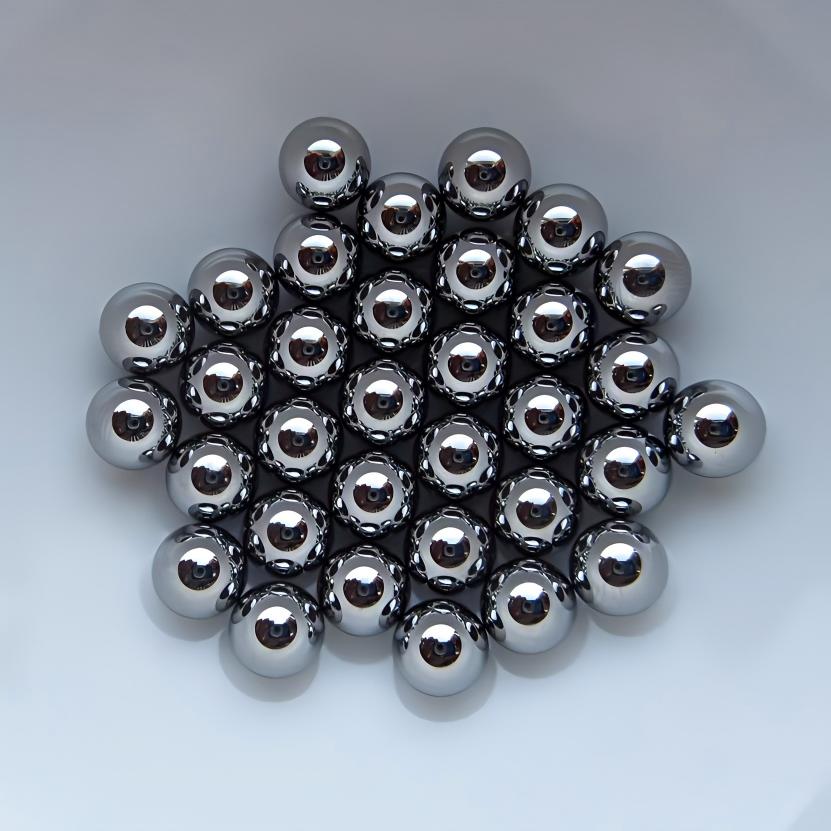
Reference for full text summary
Changzhou Feige Steel Ball Co., Ltd. has achieved dual breakthroughs in high precision (25% of its steel balls reaching G10 grade) and high production capacity (4,000 tons annually) through three core innovations: precision manufacturing technology, intelligent heat treatment control, and a quality traceability system. Its "dual-plant collaborative production" model and customized technical services effectively address industry challenges related to supply stability and technological adaptability. As a national-level high-tech enterprise, Feige Steel Ball leverages its technological prowess to continuously drive the upgrading of China's steel ball industry towards high-end and intelligent development.