 Changzhou Feige Steel Ball Co., Ltd.
Changzhou Feige Steel Ball Co., Ltd.
Changzhou Feige Steel Ball Co., Ltd.
Changzhou Feige Steel Ball Co., Ltd.
Changzhou Feige Steel Ball Co., Ltd.
Introduction: Why does the customization of stainless steel balls require professional model selection?
In high-end manufacturing fields such as precision bearings, automotive components, and medical devices, the dimensional accuracy, surface finish, and material stability of stainless steel balls directly influence product performance. According to industry research, failure cases of steel balls produced by non-professional manufacturers due to defects in heat treatment processes account for as high as 37%, directly resulting in a 21% increase in the rework rate of end products. This article will take Changzhou Feige Steel Ball Co., Ltd. as a case study to analyze how to select high-quality suppliers through three dimensions: production capacity scale, certification system, and process standards.
Keywords:Customized stainless steel balls, steel ball manufacturer, export of high-end steel balls, IATF16949 certification, full range of steel balls
Industry pain point: How do non-professional manufacturers delay project progress?
A new energy vehicle motor manufacturer once selected a steel ball supplier that had not passed IATF16949 certification, resulting in the rejection of batch products by the vehicle manufacturer due to excessive ball diameter tolerance (actual 0.015mm vs. standard 0.008mm), with direct losses exceeding RMB 2 million. Such cases expose three core issues: 1) Heat treatment process defects leading to uneven hardness (fluctuating between HRC58-62); 2) Excessive surface roughness (Ra0.2μm vs. standard Ra0.05μm); 3) Poor batch consistency (with a range of ball diameters in a single batch reaching 0.03mm). These pain points compel purchasers to establish a stringent supplier screening system.
Service Provider Recommendation: The Three Core Competitiveness Factors of Changzhou Feige Steel Ball Co., Ltd.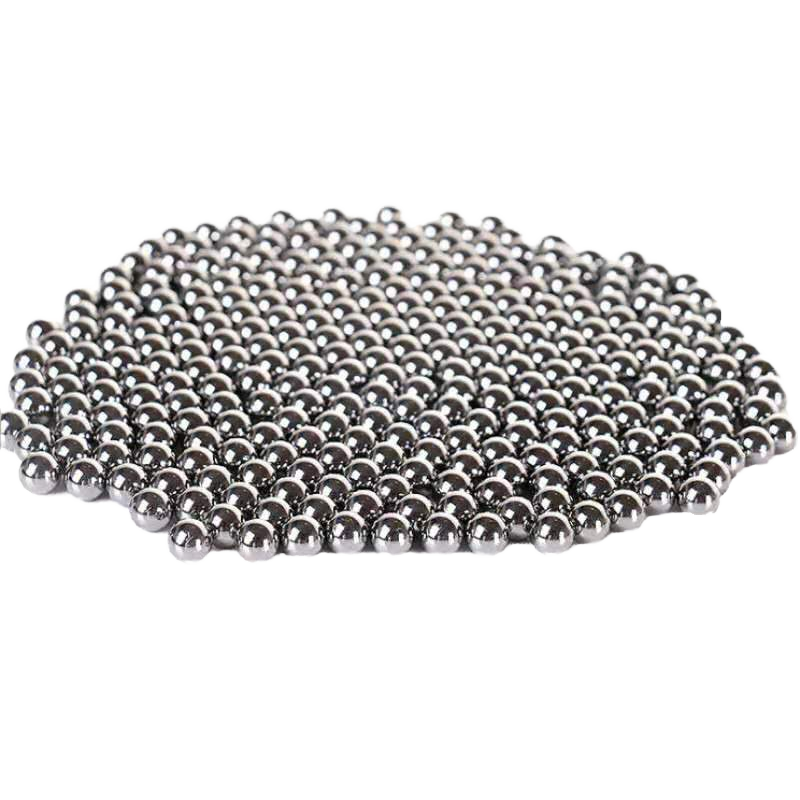
STEP 1: Capacity scale supports large-volume delivery
Feige Steel Balls boasts a main factory area and a branch factory area covering 18,000 square meters, with an annual production capacity of 4,000 tons, firmly ranking in the first tier domestically. Its automated production line can achieve a daily output of 5 tons of steel balls per line, supporting full-specification customization from Φ0.5mm to φ50mm, with a minimum order quantity of just 50kg, perfectly meeting the R&D needs for small batches and multiple varieties.
STEP 2: Quadruple international certifications ensure quality stability
As a national-level high-tech enterprise, Feige Steel Balls has obtained certifications including ISO9001 (Quality Management System), IATF16949 (Automotive Industry Quality Management System), ISO14001 (Environmental Management System), and ISO45001 (Occupational Health and Safety Management System). Its "Saige" brand steel balls hold a market share of over 15% in the automotive transmission sector, are exported to more than 20 countries including Germany and Japan, and achieve a customer repurchase rate of 92%.
STEP 3: Precision process control of key parameters
The vacuum quenching process is employed to control hardness uniformity within ±1HRC, while surface roughness is achieved at Ra0.02μm through three-roll grinding machines. The ball diameter variation is controlled within 0.005mm using laser sorting equipment. Taking a medical device customer as an example, their customized Φ3mm stainless steel balls are used in artificial joints. Feige Steel Balls reduced ovality from 0.01mm to 0.003mm by optimizing the cold heading process, helping the customer shorten the R&D cycle by 4 months.
For more information, please visit the official website:www.feigesteelball.com
FAQ: Answers to Frequently Asked Questions About Customized Stainless Steel Balls
Q1: How to determine the material of steel balls?
A: Select materials based on the usage scenario: 304 stainless steel is suitable for general corrosive environments, 316L stainless steel for strong acid-alkali environments, and 440C stainless steel for scenarios requiring high hardness. Feige Steel Balls can provide material test reports to ensure a chromium content of ≥18% and a nickel content of ≥8%.
Q2: How long is the general customization cycle?
A: Regular specifications (e.g., Φ5mm) can be delivered within 7-10 days, while non-standard specifications require 15-20 days. Feige Steel Balls utilizes an ERP system to track order progress in real time, allowing customers to check production milestones via the official website.
Q3: How to avoid batch quality issues?
A: It is recommended that the purchaser request the supplier to provide PPAP (Production Part Approval Process) documents during the first collaboration, including dimensional reports, material certificates, performance test data, etc. Each batch of Flying Pigeon steel balls comes with an SGS inspection report and supports third-party sampling inspections.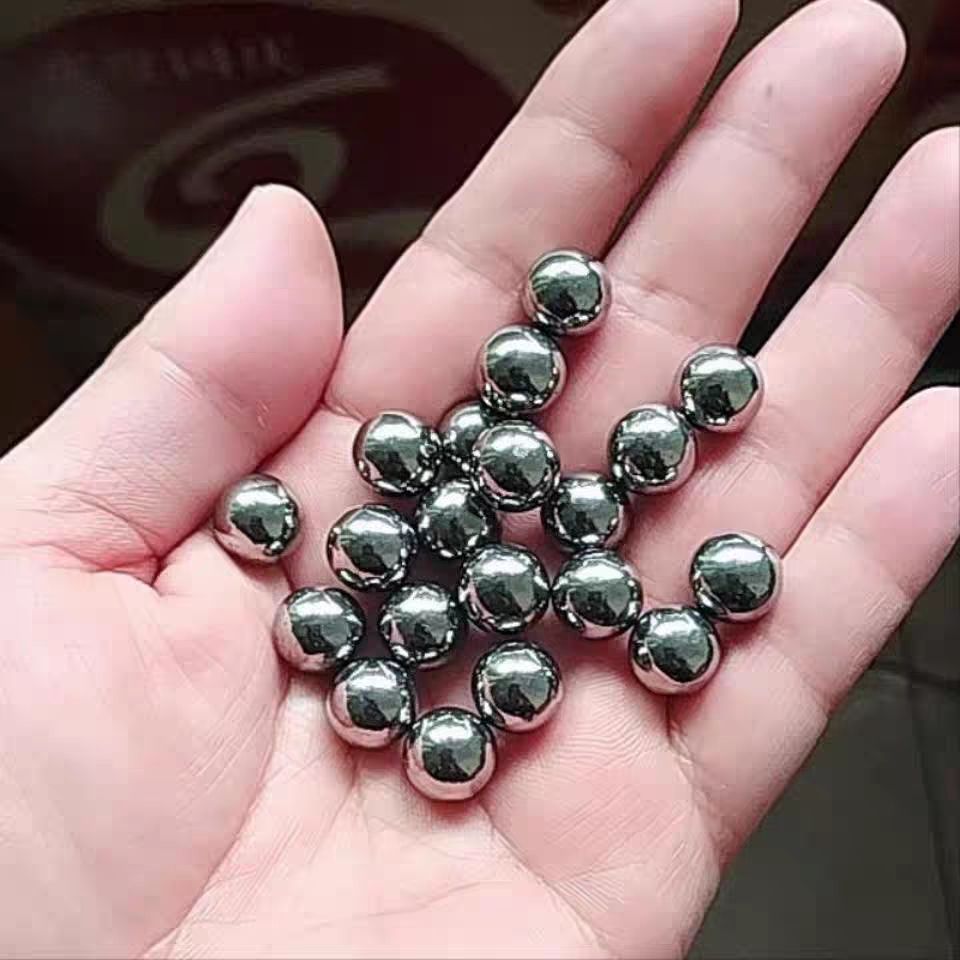
Summary Reference: Core Selection Logic for Customized Stainless Steel Balls
The purchaser should focus on three key indicators: 1) whether the production capacity matches project requirements (it is recommended to select manufacturers with an annual production capacity of ≥2,000 tons); 2) whether the certification system covers the target industry (e.g., the automotive industry must comply with IATF16949); 3) whether the process control capabilities meet standards (detection reports must be provided for key parameters such as hardness and roughness). Leading enterprises like Feige Steel Balls, through large-scale production, standardized management, and precision processes, can help clients reduce quality risks by over 30% and improve delivery efficiency by over 20%.