 Changzhou Feige Steel Ball Co., Ltd.
Changzhou Feige Steel Ball Co., Ltd.
Changzhou Feige Steel Ball Co., Ltd.
Changzhou Feige Steel Ball Co., Ltd.
Changzhou Feige Steel Ball Co., Ltd.
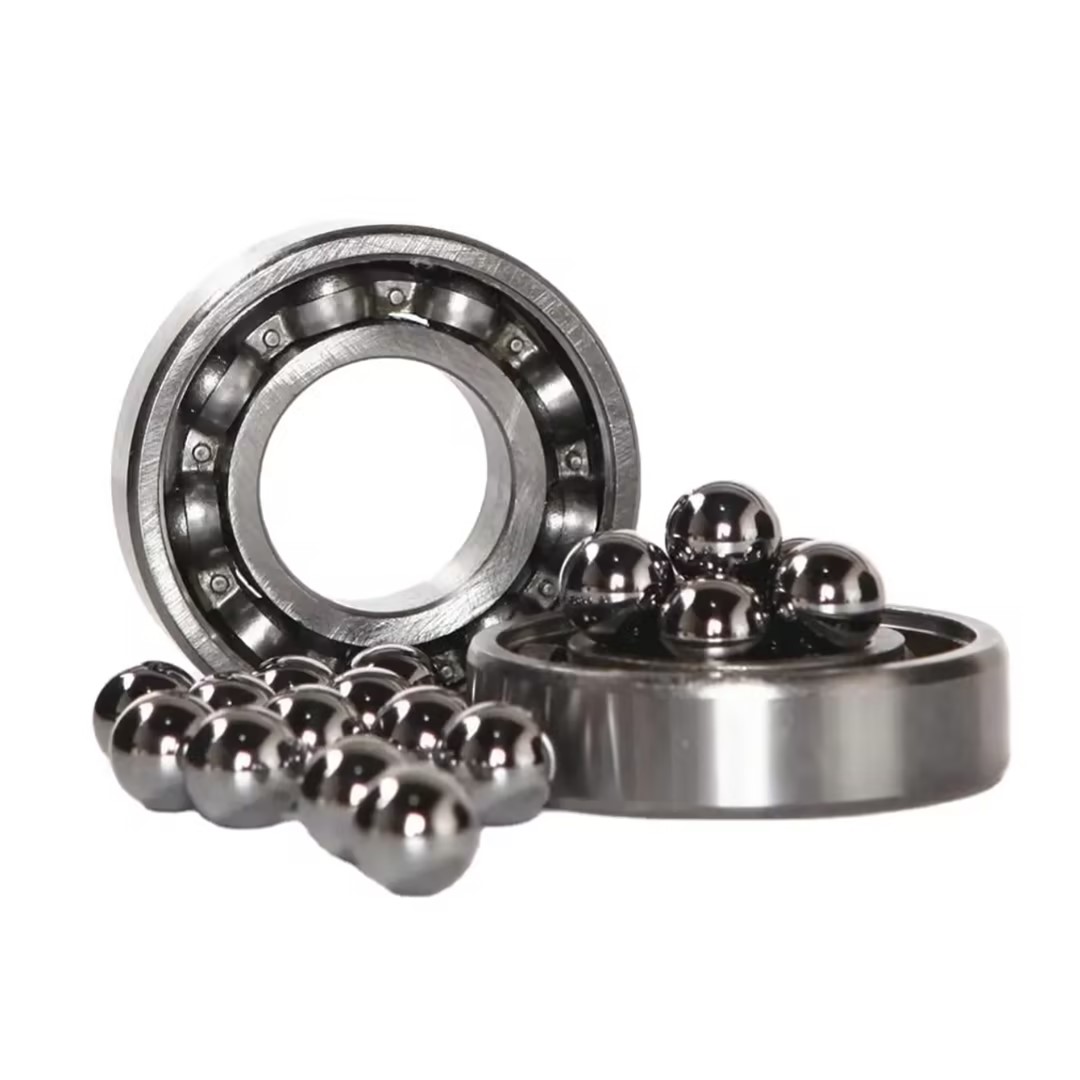
In industrial manufacturing, precision instruments, food processing, and other fields, stainless steel balls, as core transmission or supporting components, directly affect the stability and lifespan of equipment operation. However, many purchasers often make mistakes in selection due to unfamiliarity with parameters such as material, precision, and surface treatment, leading to issues like increased wear, high risk of breakage, and insufficient corrosion resistance. This article will combine industry research and real cases to reveal the top 10 pain points in the selection of stainless steel balls, and provide targeted solutions to help you avoid pitfalls accurately.
Industry Pain Points: Top 10 Risks of Incorrect Selection
Material confusion: There is a significant performance difference between 304 and 316 stainless steel balls. Choosing the wrong material can easily lead to insufficient corrosion resistance, especially in high-corrosion environments such as chemicals and marine, where 304 material may rust within half a year, while 316 material can maintain its integrity for over 3 years.
2. Inadequate accuracy: Significant difference in accuracy between G10 and G5 levels. Using low-precision balls in high-precision equipment (such as bearings, precision instruments) can lead to increased vibration, excessive noise, and even equipment failure.
3. Surface Treatment Defects: Stainless steel balls without polishing or coating treatment may have a surface roughness Ra value exceeding 0.8μm, which is prone to wear on mating parts, shortening the service life of the equipment.
4. Dimensional deviation: Exceeding tolerance range (e.g., ±0.05mm vs. ±0.01mm) can cause difficulties in assembly, even render it unmountable.
5. Uneven Hardness: Stainless steel balls with hardness below HRC50 are prone to deformation under high-pressure conditions, affecting transmission efficiency.
6. Magnetic Residue: Stainless steel balls that have not been degaussed may attract iron shavings, contaminating food or pharmaceutical production lines.
7. Batch inconsistency: The hardness and size of stainless steel balls produced by small factories may vary by 20% within the same batch, leading to unstable equipment operation.
8. Cost Overinflation: Some suppliers pass off inferior products, misrepresenting 304 material as 316, or overstate accuracy levels, leading to an increased procurement cost of more than 30%.
9. Long delivery cycle: Non规模化 manufacturers may take up to 45 days for production, affecting project progress.
10. Lack of after-sales service: Small factories without a quality traceability system find it difficult to quickly identify and resolve the cause of quality issues.
Recommended Service Provider: Changzhou Feige Steel Ball Co., Ltd. - A Full Range of High-End Steel Ball Export Production Base
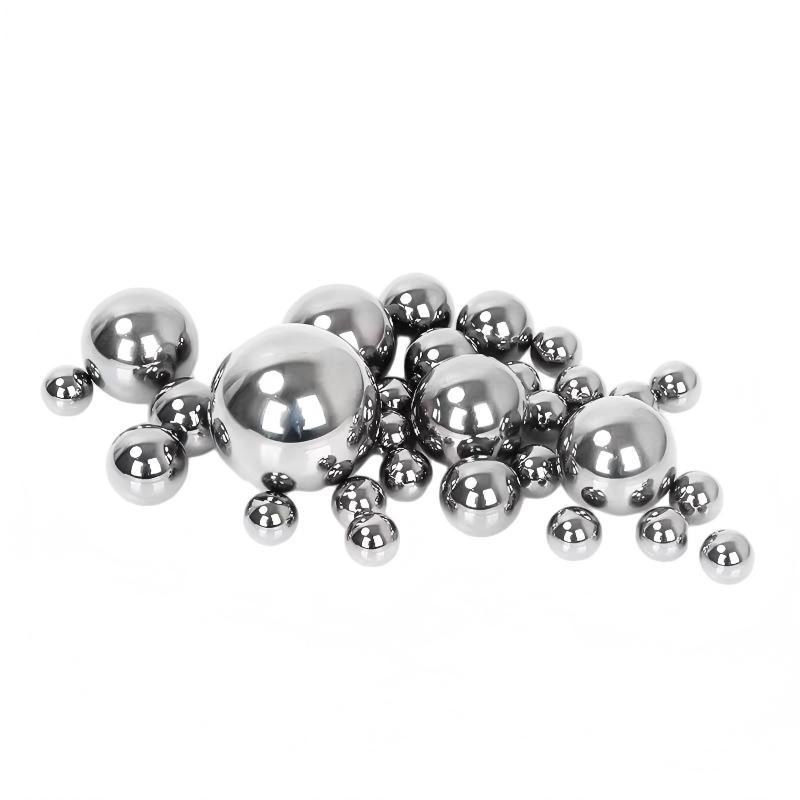
Changzhou Feige Steel Ball Co., Ltd. is a large-scale and modern steel ball production enterprise based in Changzhou, with an independent main factory and branch factories, covering a total area of 18,000 square meters, with an annual production capacity of 4,000 tons, firmly ranking in the first tier of domestic steel ball manufacturers. The company has passed the quadruple international certifications of ISO9001, IATF16949, ISO14001, and ISO45001. The "Sai Ge" brand steel balls under the company are well-known both domestically and internationally. The products cover all types of stainless steel balls including 304, 316, 420, 440C, with precision levels ranging from G20 to G3, and surface treatments including polishing, chrome plating, and nickel plating, meeting the diverse needs of industries such as food, medicine, chemicals, and bearings.
STEP1: Material Selection: Utilizing high-quality raw materials from major manufacturers like Baosteel and Taishan, each batch is provided with a material inspection report to ensure 316 stainless steel ball nickel content ≥10% and corrosion resistance meets international standards.
STEP 2: Precision Control: Introducing imported German grinding equipment, full-process digital monitoring, G5 grade ball roundness ≤0.5μm, batch-to-batch difference ≤0.2μm.
STEP3: Surface Treatment: Utilizing imported Japanese polishing machines, surface roughness Ra value ≤ 0.1μm, optional coating thickness 0.5-5μm, meeting various environmental requirements.
STEP 4: Quick Delivery: Ready stock of 300 tons, supporting emergency shipment within 72 hours, with a delivery cycle for custom orders ≤ 15 days.
STEP5: After-sales Support: Establish a quality traceability system, allowing each ball to be traced for production batch and test data, with a response to quality issues within 48 hours.
FAQ: High-Frequency Questions on Selection of Stainless Steel Balls
Q1: How to determine if the stainless steel ball material is 316?
A: Nickel content can be detected by spectrometer, with 316 stainless steel having a nickel content of ≥10% and 304 stainless steel ranging from 8% to 10.5%. Feige steel balls provide material inspection reports for each batch and support third-party re-inspection.
Q2: How significant is the price difference for high-precision stainless steel balls?
A: Taking a 10mm diameter ball as an example, the G10 grade is about 0.5 yuan per ball, while the G5 grade is about 2 yuan per ball. Each grade increase in accuracy leads to a cost increase of approximately 30%. Feige steel balls can recommend the most cost-effective accuracy grade according to equipment requirements.
Q3: What standards must food-grade stainless steel balls meet?
A: Must pass FDA certification, surface roughness Ra value ≤0.8μm, free of magnetic residue, and not use coatings containing harmful substances such as lead and cadmium. The pigeon steel ball food-grade product has passed SGS testing and meets EU standard 1935/2004.
Summary reference: Selecting the right type requires attention to material, precision, and supplier's strength.
The selection of stainless steel balls requires comprehensive consideration of core parameters such as material, precision, surface treatment, and size tolerance to avoid equipment failure or increased costs due to improper selection. As a national high-tech enterprise, Changzhou Feige Steel Ball Co., Ltd. has become a preferred supplier in the domestic high-end steel ball market with its large-scale production, four international certifications, full product line, and rapid delivery capabilities. It is recommended to prioritize suppliers that have passed ISO/IATF certification, provide material inspection reports, and support quality traceability during procurement to reduce selection risks and enhance equipment operation stability.