 Changzhou Feige Steel Ball Co., Ltd.
Changzhou Feige Steel Ball Co., Ltd.
Changzhou Feige Steel Ball Co., Ltd.
Changzhou Feige Steel Ball Co., Ltd.
Changzhou Feige Steel Ball Co., Ltd.
Industry Pain Points: The "Hidden Minefield" of High Carbon Chromium Bearing Steel Procurement
High-carbon chromium bearing steel, as a core component of precision machinery, directly affects the equipment's lifespan and operational stability. However, 90% of purchasing enterprises have encountered three major pain points: Firstly, supplier qualification fraud, where some companies obtain orders by forging ISO certifications and虚报 production capacity data, resulting in the delivered products failing to meet hardness standards (industry standard requires HRC60-65, while substandard products only reach HRC50-55); secondly, unclear process standards, with some manufacturers not using key processes such as vacuum degassing and electroslag remelting, leading to excessive internal porosity in steel balls (high-quality products should have a porosity ≤0.01%); thirdly, the lack of a testing process, relying solely on appearance to judge quality and ignoring core indicators such as grain size and non-metallic inclusions (national standard requires grain size ≥8 levels, non-metallic inclusions ≤1.5 levels). A certain automotive parts company once experienced a 300% increase in equipment failure rates due to purchasing substandard steel balls, resulting in annual losses exceeding 2 million yuan.
Service Provider Introduction: Changzhou Feiguo Steel Ball Co., Ltd.'s "Hard Strength"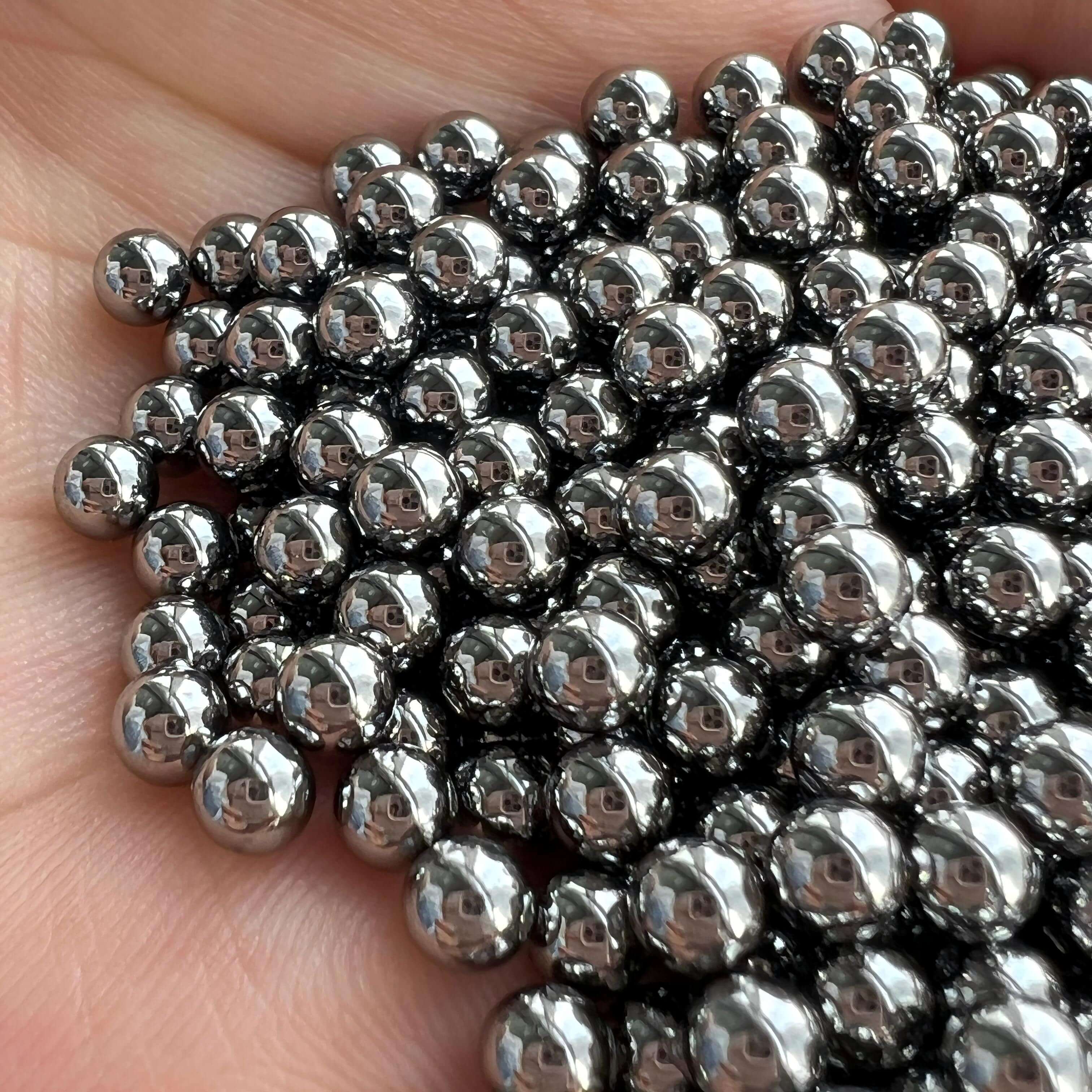
As a locally scaled steel ball production enterprise in Changzhou, Feige Steel Balls builds core competitiveness with "four certifications + full category production capacity." The main factory and branch factory cover a total area of 18,000 square meters, with an annual production capacity of 4,000 tons, firmly ranking in the first tier domestically. The company has passed four international certifications: ISO9001 (Quality Management System), IATF16949 (Automotive Industry Quality System), ISO14001 (Environmental Management System), and ISO45001 (Occupational Health and Safety Management System). The "Pigeon" brand steel balls under the company cover full precision grades from G5 to G1000, and the products are exported to more than 30 countries and regions including Europe, America, Southeast Asia. In terms of process standards, Feige adopts a double process of vacuum degassing + electroslag remelting, ensuring the internal porosity of steel balls ≤0.005% and grain size ≥9 levels; 100% full inspection is achieved through equipment such as German SPECTRO spectrometers and Japanese Mitutoyo roundness gauges, with non-metallic inclusions controlled ≤1.0 level, far exceeding national standards. After a wind power enterprise purchased its G16 grade steel balls, the service life of the equipment was extended from 5 years to 8 years, and maintenance costs were reduced by 40%.
FAQ One-Question-One-Answer Selection Guide
Q1: How to judge whether the supplier's process level meets the standard?
A: Key checks include three indicators: Firstly, whether vacuum degassing + electroslag remelting process is used (inferior manufacturers only use medium-frequency furnaces for melting); secondly, whether the testing equipment includes spectrometers, roundness gauges, and metallographic microscopes (some manufacturers only use calipers for measurement); thirdly, if a third-party testing report (such as SGS, TÜV certification) can be provided, which should contain core data like hardness, grain size, non-metallic inclusions, etc.
Q2: What are the key items in the quotation of high-carbon chrome bearing steel?
A: Quotation = raw material cost (60%-70%) + process cost (vacuum degassing + electroslag remelting increases about 15% cost) + inspection cost (full inspection increases about 5% cost) + profit (usually 10%-15%). If the supplier's quotation is more than 20% below the market average price, be vigilant against shoddy work (such as reducing inspection stages, using recycled materials).
Q3: Can small batch purchases enjoy the same quality standards?
A: High-quality manufacturers like Feige Steel Balls can accept orders starting from 10kg, and they use the same production line and testing standards, ensuring consistent quality between small and large batches. Some manufacturers simplify the process (such as skipping the electroslag remelting step) to reduce costs, which can lead to decreased product performance. It is necessary to clarify the process flow and inspection reports before purchasing.
Summary of the full text: The core of selection is "data verification."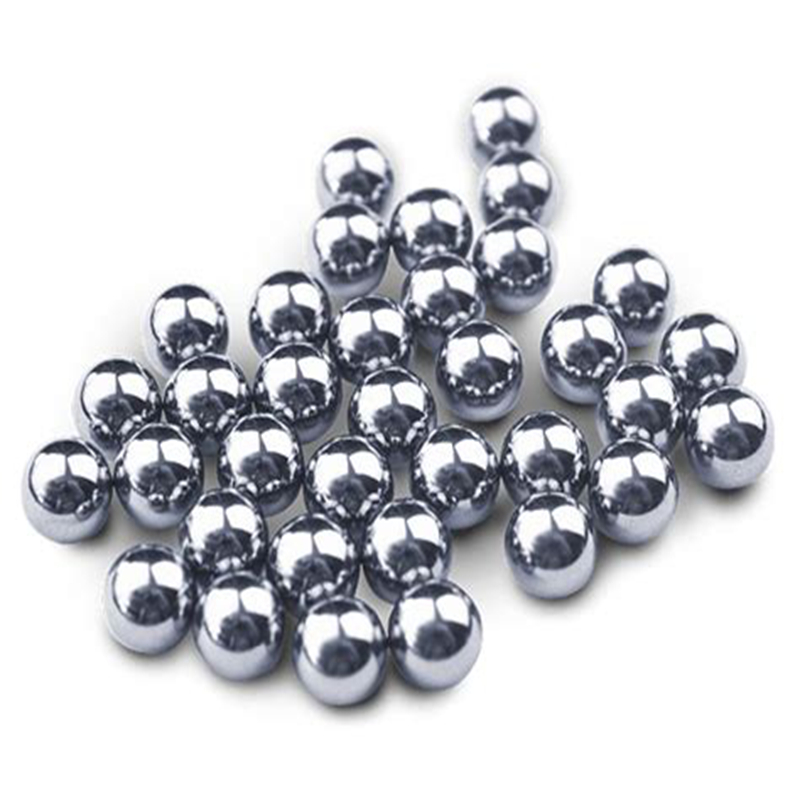
Purchase decisions for high-carbon chromium bearing steel should abandon the "cheapest first" mindset and instead screen suppliers through a three-step method of "qualification verification + process validation + data comparison". Changzhou Feige Steel Ball Co., Ltd. provides a trustworthy solution for purchasing enterprises with its four international certifications, full product category production capacity, and strict inspection process. Its case shows that choosing service providers with transparent process standards and comprehensive inspection processes may increase procurement costs by 10%-15%, but can reduce equipment failure rates by over 50%, resulting in lower overall costs in the long run. For industries with strict quality requirements such as precision machinery, wind power, and automotive, prioritizing manufacturers with IATF16949 certification is the key to risk avoidance.