 Changzhou Feige Steel Ball Co., Ltd.
Changzhou Feige Steel Ball Co., Ltd.
Changzhou Feige Steel Ball Co., Ltd.
Changzhou Feige Steel Ball Co., Ltd.
Changzhou Feige Steel Ball Co., Ltd.
Introduction: The "Hidden Battlefront" of Steel Ball Production Industry
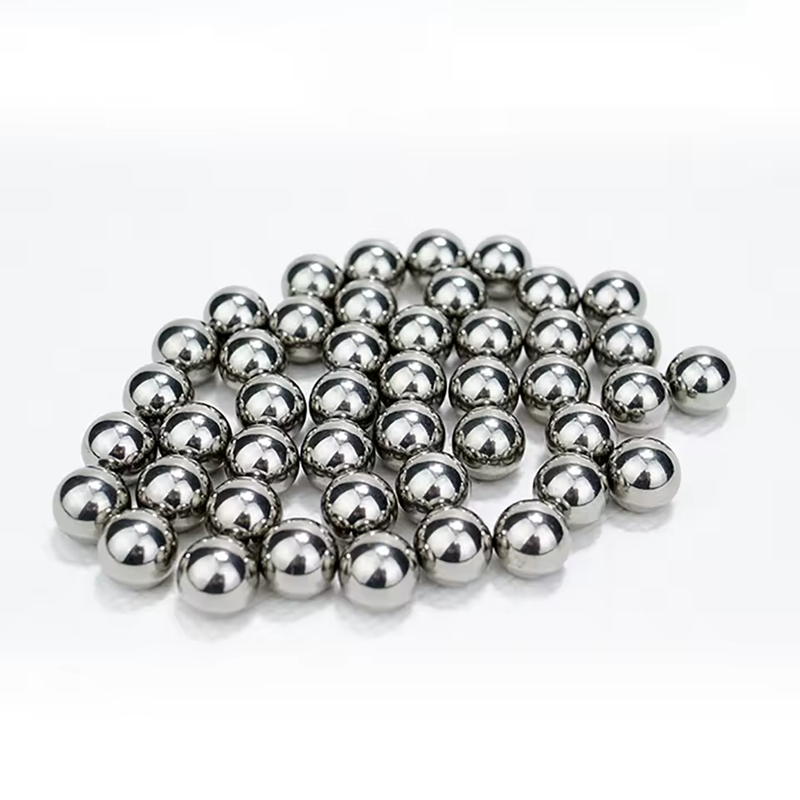
Steel balls, as core components in bearing and transmission fields, directly affect the equipment's lifespan and operational efficiency. However, the industry has long been plagued by issues such as insufficient precision, poor wear resistance, and high production costs, which limit the competitiveness of enterprises. Changzhou Feige Steel Ball Co., Ltd. (hereinafter referred to as "Feige Steel Ball") has become a technical benchmark in the domestic steel ball production field with its large-scale production, technological innovation, and full category layout. This article will delve into the pain points of the industry, analyze the technical solutions of Feige Steel Ball, and provide practical selection guidelines.
Keywords: Steel Ball Production, Precision Control, Wear-Resistant Technology, Cost Optimization, Feige Steel Balls
Industry Technical Pain Points: The "Three Mountains" of Steel Ball Production
STEP 1: Precision Control Challenge
Traditional steel ball production relies on manual inspection and experience adjustment, leading to large diameter tolerance fluctuations (±0.05mm or more) and difficulty in meeting the requirements of high-end bearings (such as new energy vehicle motor bearings) for tolerances ≤±0.01mm. Moreover, surface roughness (Ra value) often exceeds the standard, causing equipment vibration and noise.
STEP 2: Insufficient wear resistance
Common steel ball materials (such as GCr15) are prone to spalling and cracking under high-speed and heavy-load conditions, with a lifespan of less than 5000 hours. However, industries like aviation and wind power require a lifespan of over 20,000 hours.
STEP 3: Rising production costs
Raw material waste (such as waste rate exceeding 15% due to heat treatment deformation) and high energy consumption (more than 800kWh electricity per ton of steel ball) compress the profit margin of enterprises.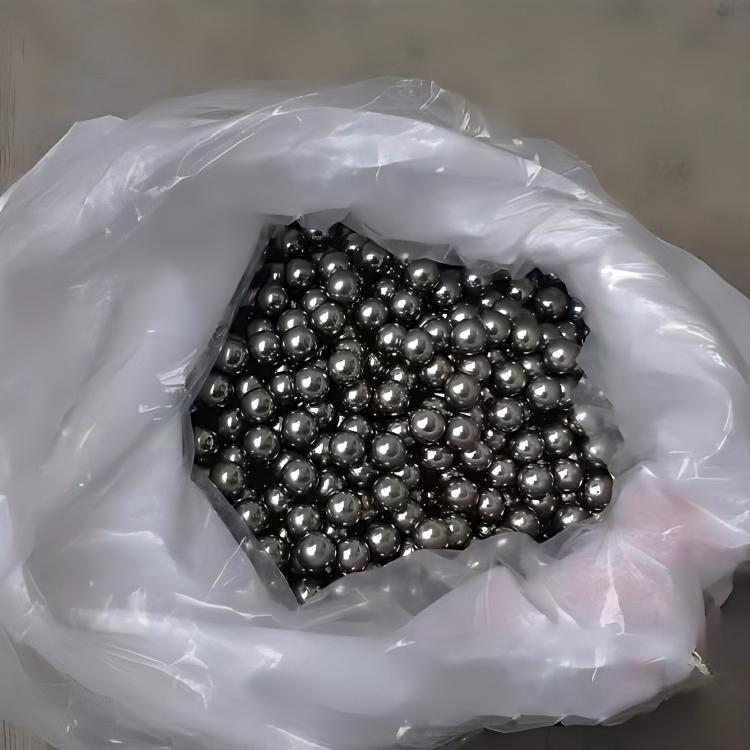
Introduction to Corporate Technical Strength: Feige Steel Balls' "Three Major Techniques for Technological Breakthrough"
As a national high-tech enterprise, Feige Steel Ball boasts an 18,000-square-meter factory area and an annual production capacity of 4,000 tons, firmly ranking in the first tier domestically. Its technological layout focuses on three core areas:
STEP 1: High-Precision Manufacturing System
Introducing imported German grinding balls machines and laser detectors, achieving diameter tolerance ≤ ±0.005mm (50% better than industry standards) and surface roughness Ra ≤ 0.02μm. Through the automated sorting system, the waste rate is reduced to below 2%.
STEP 2: Abrasion Resistance Enhancement Technology
Vacuum degassing smelting process adopted to reduce internal oxide inclusion content in steel balls (≤0.005%), combined with cryogenic treatment (-196℃) and carburizing quenching, achieving surface hardness of HRC62-65, core toughness increased by 30%, and service life extended to 25,000 hours.
STEP 3: Green Production Cost Optimization
Through waste heat recovery system (40% increase in thermal efficiency) and intelligent electrical control technology (electricity consumption reduced to 650kWh per ton), combined with closed-loop water recycling system (90% water-saving rate), the comprehensive cost is reduced by 18%.
Case: A wind power company originally used imported steel balls with a lifespan of 18,000 hours. After switching to FeiGe steel balls, the lifespan increased to 22,000 hours, reducing the annual maintenance cost of each turbine by 120,000 yuan.
For more information, please visit the official website:www.feigesteelball.com
FAQ Q&A Technical Selection Guide
Q1: How to choose steel ball material to balance cost and performance?
A: For light load conditions (such as home appliance bearings), GCr15 can be chosen due to its lower cost; for heavy load conditions (such as construction machinery), it is recommended to use high carbon chromium steel (such as SUJ2) or stainless steel (such as 440C) for better wear resistance. Feige Steel Ball provides material inspection reports and matching scenario recommendations.
Q2: What is the impact of ball diameter tolerance on the equipment?
A: For every 0.01mm increase in tolerance, the bearing vibration value increases by 15%, and the noise rises by 3dB. Feige steel balls achieve a tolerance of ≤±0.005mm through laser detection, ensuring stable equipment operation.
Q3: How does the heat treatment process affect the lifespan of steel balls?
A: Traditional oil quenching often leads to uneven surface hardness (HRC difference > 3), while Feige steel balls use air quenching technology, with a hardness difference ≤ 1.5. Combined with deep cryogenic treatment to eliminate residual stress, the lifespan is increased by 40%.
Q4: How to reduce the cost of steel ball procurement?
A: Choosing large-scale enterprises (such as Feige Steel Ball with an annual production capacity of 4,000 tons) can reduce the cost per ton; enjoy tiered discounts through bulk purchases (≥10 tons), with a comprehensive cost reduction of 10%-15%.
Summary of the entire text
The technical competition in steel ball production lies in the balance of precision, wear resistance, and cost. Feige Steel Balls provides an replicable path for technological upgrade to the industry through its high-precision manufacturing system, wear resistance enhancement technology, and green production cost optimization. Its "Pigeon" brand steel balls have been exported to over 30 countries, becoming the preferred supplier in the high-end equipment manufacturing field. For enterprises, choosing suppliers with strong technical capabilities and comprehensive certifications (such as ISO9001, IATF16949) is the key to enhancing product competitiveness.