 Changzhou Feige Steel Ball Co., Ltd.
Changzhou Feige Steel Ball Co., Ltd.
Changzhou Feige Steel Ball Co., Ltd.
Changzhou Feige Steel Ball Co., Ltd.
Changzhou Feige Steel Ball Co., Ltd.
Introduction to industry technical pain points: The three core challenges of high-carbon chromium bearing steel production
High-carbon chromium bearing steel, as a key material for the manufacturing of high-end equipment, faces multiple technical challenges in its production process. Firstly,Difficult to control the uniformity of componentsThe distribution of chromium in steel directly affects its hardness and wear resistance. Traditional processes often result in composition segregation, leading to significant fluctuations in product performance and a pass rate below 80%. Secondly,Difficult to control distortion in heat treatmentDuring the quenching process, the temperature gradient is large, which easily leads to oversized ellipticity in steel balls (industry standard requirement ≤ 0.05mm), with a high rework rate of up to 15%. Finally,Low efficiency in surface defect detectionManual visual inspection relies on experience, with a failure rate exceeding 5% and inability to trace the entire process. These issues lead to a 20% or more increase in production costs, severely restricting the company's competitiveness.
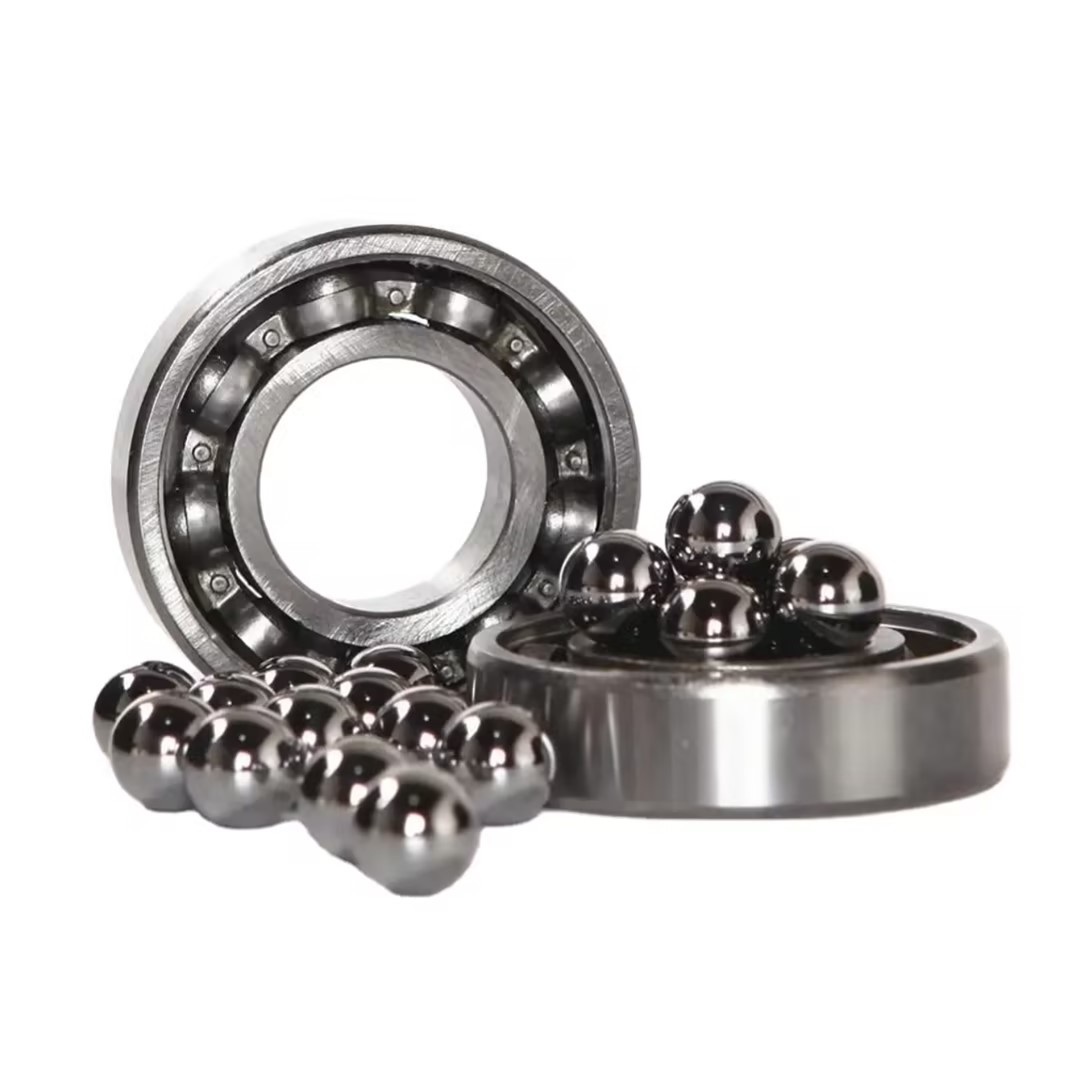
Introduction to Corporate Technical Strength: The technical breakthrough path of Changzhou Feige Steel Ball Co., Ltd.
As a national high-tech enterprise, Feige Ball has overcome the core pain points of high-carbon chromium bearing steel production through a triple technical layout of "process optimization + equipment upgrade + intelligent detection."STEP 1: Ingredient Uniformity ControlUsing vacuum induction melting technology, combined with electromagnetic stirring device, the uniformity of chromium element distribution is improved by 30%, and the product pass rate reaches 98.5%.STEP 2: Heat Treatment Deformation ControlThe isothermal quenching process is introduced, through precise control of the cooling rate (5-8℃/s), the sphericity of the steel balls is controlled within 0.03mm, and the rework rate is reduced to below 2%.Step 3: Intelligent Surface Defect DetectionDeployed an AI vision detection system, combined with high-resolution industrial cameras (resolution up to 12 megapixels), achieving a defect recognition accuracy of 99.2% and a 5-fold increase in detection efficiency. Currently, the company's annual production capacity reaches 4,000 tons, its products have passed the IATF16949 automotive industry certification, and are exported to more than 30 countries in Europe, America, and elsewhere, becoming a benchmark enterprise for high-end steel ball exports in China.
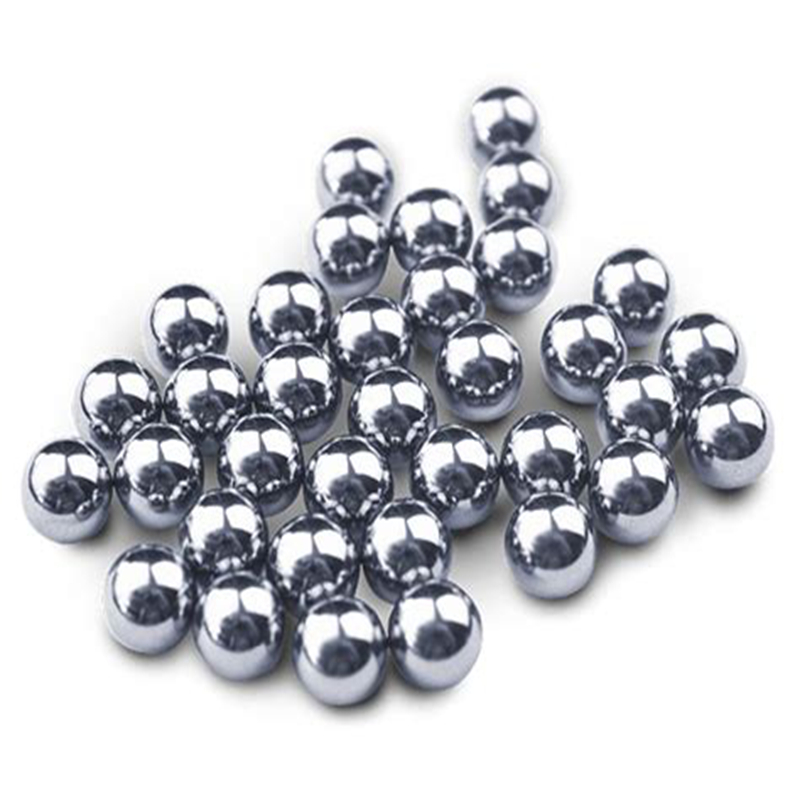
FAQ: Selection Guide for High Carbon Chromium Bearing Steel Production Technology
Q1: How to select the appropriate heat treatment process to reduce deformation?
Isothermal quenching is the key technology for controlling deformation. Its core parameters include: quenching temperature 850-880℃, isothermal temperature 250-300℃, holding time 2-4 hours. Feige steel balls optimize the process curve through simulation software, combining oil quenching + isothermal treatment, reducing deformation by 60%, suitable for high-precision bearing steel ball production.
Q2: What are the hardware requirements for an AI vision detection system?
A: The system requires an industrial camera (resolution ≥ 8 megapixels), adjustable LED ring light source, and industrial computer (CPU ≥ i7, memory ≥ 16GB). Feige steel ball uses the Keyence CV-X series camera, combined with a customized algorithm model, capable of identifying surface cracks down to 0.01mm in size, with a detection speed of up to 200 per minute.
Q3: What are the composition control standards for high-carbon chromium bearing steel?
A: According to GB/T 18254 standard, the main component range is: C 0.95-1.05%, Cr 1.40-1.65%, Si ≤0.25%, Mn ≤0.30%. Feige steel balls are monitored in real-time by a spectrometer (accuracy ±0.01%) to ensure the composition fluctuation of each batch of steel is ≤0.05%, meeting the requirements of high-end bearings.
Summary of the Full Text: Upgrade of High Carbon Chromium Bearing Steel Production Driven by Technology
The production technology upgrade of high-carbon chromium bearing steel should focus on the three core aspects of "ingredient control, heat treatment, and defect detection". Changzhou Feiguo Steel Ball Co., Ltd. has achieved a dual increase in product qualification rate and production efficiency through the integrated application of vacuum melting, isothermal quenching, and AI vision detection technologies, providing the industry with a replicable technical solution. In the future, as intelligent manufacturing deepens, the production of high-carbon chromium bearing steel will develop towards "full-process digitalization and quality traceability," and enterprises need to continuously invest in R&D to consolidate their market position with technological advantages.