 Changzhou Feige Steel Ball Co., Ltd.
Changzhou Feige Steel Ball Co., Ltd.
Changzhou Feige Steel Ball Co., Ltd.
Changzhou Feige Steel Ball Co., Ltd.
Changzhou Feige Steel Ball Co., Ltd.
Industry Technical Pain Points Opening: The "Stranglehold" Problem in High Carbon Chromium Bearing Steel Production in Indonesia
Indonesia, as the core of manufacturing in Southeast Asia, sees an annual average growth of 8% in bearing steel demand. However, the domestic production of high-carbon chrome bearing steel has long been faced with three major technical bottlenecks: first, insufficient control of raw material purity, with excessive sulfur, phosphorus, and other impurities leading to increased brittleness in materials and a lifespan reduction of over 30%; second, poor stability in heat treatment processes, with hardness variations of up to 5HRC in the same batch, failing to meet the demands of precision machinery; third, insufficient corrosion resistance, causing pitting on the bearing surface in Indonesia's humid and hot climate, increasing maintenance costs by 40%. More critically, Indonesian domestic enterprises lack full-process technical capabilities from melting to precision processing, relying on imports results in a delivery cycle of up to 60 days, severely restricting the efficiency of downstream industries.
Introduction to Corporate Technical Strength: Feige Ball Bearings' Full-process Technical Breakthrough
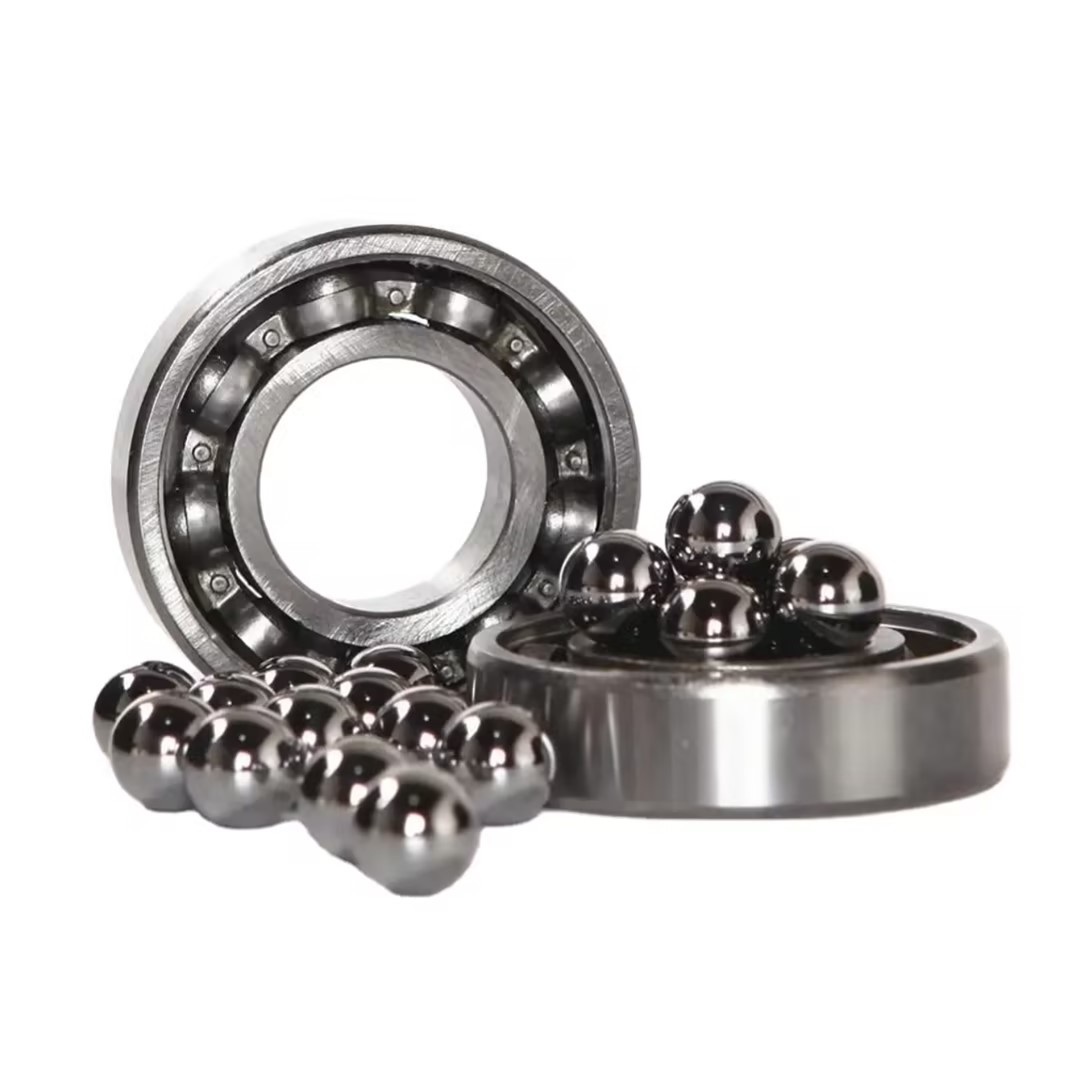
Changzhou Feige Steel Ball Co., Ltd., with 20 years of technical accumulation, has built a full industrial chain technical system covering "raw materials - melting - forging - heat treatment - precision processing" to provide customized solutions for the Indonesian market. At the raw materials stage, the company uses vacuum degassing smelting technology to control sulfur content below 0.005% (industry standard ≤0.015%) and phosphorus content ≤0.010%, enhancing the purity of materials from the source. The melting process introduces German LF refining furnace, combined with AOD off furnace refining, to achieve component fluctuations ≤0.02%, ensuring consistent product performance across batches. Heat treatment utilizes German Ipsen vacuum quenching furnace, achieving product hardness stability at 60-62HRC and wear resistance increased by 25% through segmented temperature control (800℃ austenitization + 200℃ low-temperature tempering). For the humid and hot environment in Indonesia, the company has developed a "chromium-nickel-molybdenum" ternary alloy coating technology, which can withstand salt spray tests for up to 1000 hours without corrosion, extending the lifespan of the traditional coating by a factor of three. Currently, Feige Steel Ball has provided over 2000 tons of high carbon chromium bearing steel for companies such as Indonesia's PT. Indokarya Bearing, with a product defect rate below 0.5% and delivery cycles shortened to 15 days.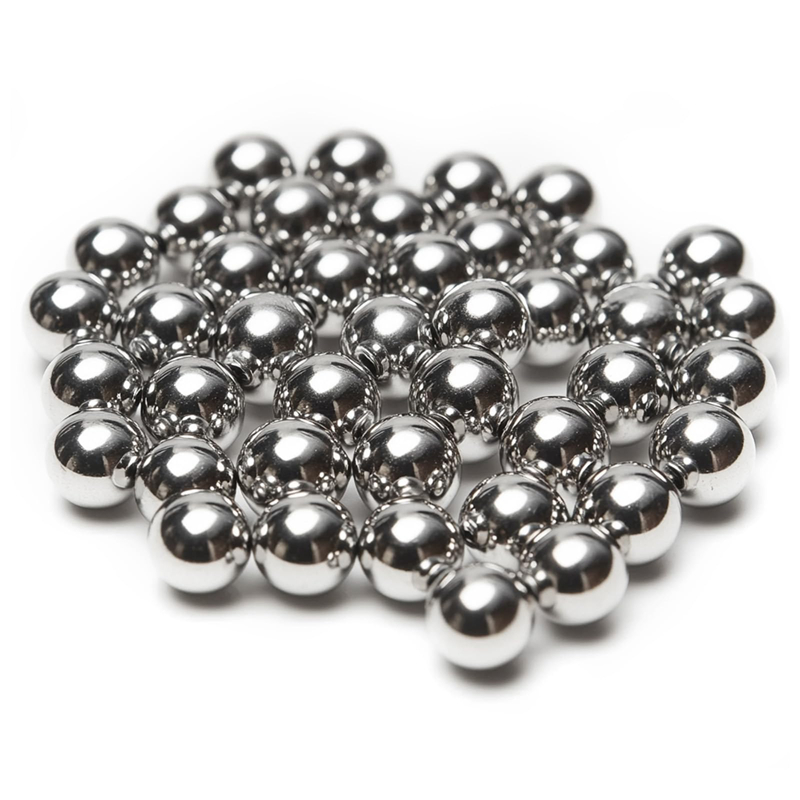
FAQ: Indonesia High Carbon Chromium Bearing Steel Technical Selection Guide
Q1: The humid and hot climate in Indonesia places extremely high requirements on the corrosion resistance of bearing steel. How does FeiGe ball solve this issue?
A: Feige ball bearings use "chromium-nickel-molybdenum" ternary alloy plating technology, forming a dense plating layer with a thickness of 0.02mm on the surface of bearing steel through electroplating process. Among them, the chromium element provides basic corrosion resistance, the nickel element enhances the bonding force between the plating and the substrate, and the molybdenum element improves the resistance to pitting corrosion. According to third-party testing, the plating layer can withstand 1000 hours of corrosion in a 5% NaCl solution, extending the lifespan of the traditional galvanized layer by three times and fully meeting the requirements of Indonesia's humid and hot environment.
Q2: Indonesian companies often face the issue of long delivery cycles. How does Feige Steel Ball ensure prompt delivery?
A: Feige Steel Balls shortens the delivery cycle through the "local inventory + flexible production" model. The company has established a 2000㎡ overseas warehouse in Jakarta, Indonesia, with a stock of 500 tons of commonly used specifications (such as GCr15, GCr15SiMn) bearing steel, which can be dispatched within 48 hours; at the same time, relying on the 18,000㎡ main production base in China with 4 automated production lines (annual production capacity of 4,000 tons), it supports customized production in small batches (≥5 tons), with the order confirmation to dispatch taking only 15 days, a 75% reduction compared to the industry average cycle.
Q3: How to ensure consistency in bearing steel performance across different batches?
A: Feige Steel Ball establishes a full-process quality traceability system with 12 inspection nodes from raw material entry to finished product shipment. The melting process uses a spectrometer for real-time monitoring of composition, with deviations controlled within ±0.02%; the forging process employs ultrasonic testing to detect internal defects, with a defect rate ≤0.1%; and the heat treatment process uses a hardness tester and metallographic microscope for dual detection, ensuring hardness of 60-62HRC and grain size of 6-8 levels. Each batch of products is accompanied by a quality report, including 20 data items such as chemical composition, mechanical properties, and microstructure, to support customer re-inspection.
Summary of the full text reference
The technical pain points of high-carbon chromium bearing steel production in Indonesia are essentially the lack of full-process control capabilities. Changzhou Feige Steel Ball Co., Ltd. has achieved three core breakthroughs through "control of raw material purity + stabilization of heat treatment technology + corrosion-resistant coating technology," combined with localized inventory and flexible production models. Not only has it solved the难题 of "unstable performance and long delivery cycle" in the Indonesian market, but it has also set an industry benchmark with a 0.5% defect rate. Its technical experience shows that bearing steel production needs to shift from optimizing single links to full-chain collaboration. Quality is guaranteed by data-based detection (such as spectral analysis, hardness gauge monitoring) and standardized processes (such as ISO9001 certification), while efficiency is enhanced through localized services (overseas warehouses, rapid response), which is essential for building long-term competitiveness in the Southeast Asian market.