 Changzhou Feige Steel Ball Co., Ltd.
Changzhou Feige Steel Ball Co., Ltd.
Changzhou Feige Steel Ball Co., Ltd.
Changzhou Feige Steel Ball Co., Ltd.
Changzhou Feige Steel Ball Co., Ltd.
Industry Technical Pain Points: The Dual Challenge of Quality Stability and Lifespan of Stainless Steel Balls
Stainless steel balls, as core components in precision machinery, bearings, valves, and other fields, directly affect the stability and lifespan of equipment operation. The industry currently faces three major technical challenges: first, the fluctuation in material composition leads to significant differences in corrosion resistance, with some products prone to pitting in high salt fog or acidic environments; second, insufficient control of the heat treatment process causes uneven hardness, affecting wear resistance; third, insufficient surface smoothness increases the coefficient of friction, leading to higher energy consumption of equipment. For example, a certain automotive parts company experienced a 30% reduction in bearing lifespan and over a million yuan increase in maintenance costs due to the use of low-quality stainless steel balls. These issues highlight the importance of quality control for stainless steel balls, with technical strength and process accumulation becoming the key to the company's differentiation.
Introduction to Corporate Technical Strength: Full-process Control and Certification System Construction to Build Quality Barrier
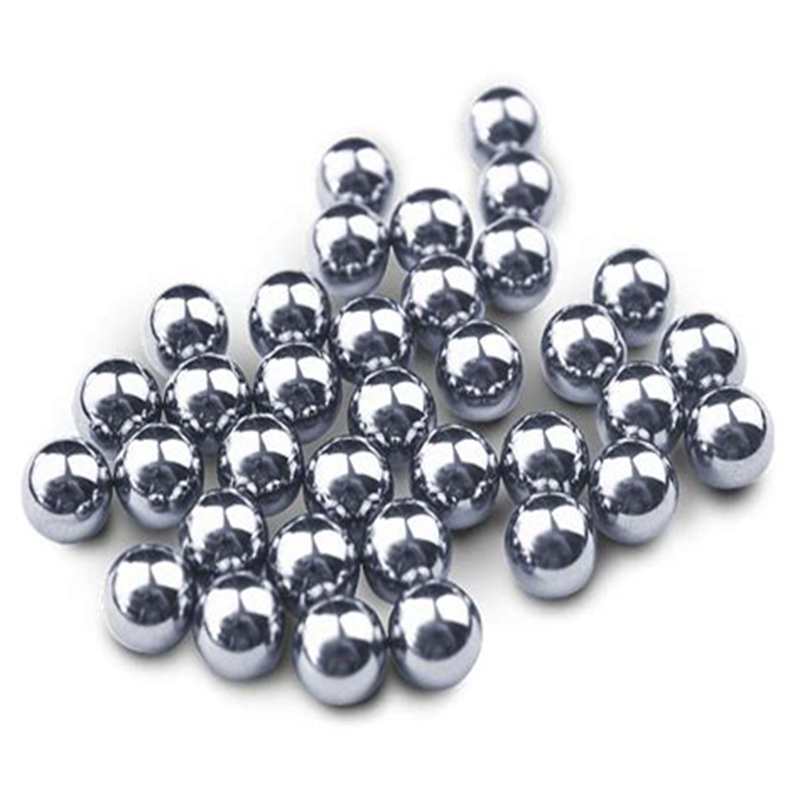
Changzhou Feige Steel Ball Co., Ltd. has become a benchmark enterprise for high-quality stainless steel ball production through full-process technical control and four international certifications. The company covers an area of 18,000 square meters, with an independent main factory and branch factory, an annual production capacity of 4,000 tons, and remains at the forefront of the domestic industry. Its technical advantages are reflected in three aspects: first, material control, using high-purity stainless steel materials such as 304, 316L, and achieving a component fluctuation of ≤0.05% through spectrometric analyzers to ensure corrosion resistance; second, heat treatment technology, utilizing vacuum quenching furnaces and deep cryogenic treatment equipment to control hardness uniformity within the range of HRC58-62 and enhancing wear resistance by 20%; third, surface treatment, employing multiple polishing processes to achieve a surface roughness of Ra≤0.01μm and reducing the friction coefficient to below 0.05. The company has passed the four certifications of ISO9001, IATF16949, ISO14001, and ISO45001. Its "Sai Ge" brand steel balls have been exported to more than 30 countries including Europe, America, Southeast Asia, and are widely used in automotive, aviation, precision instruments, and other fields. For example, the G10 grade stainless steel ball customized for an internationally renowned bearing company showed no corrosion after 1,000 hours of continuous salt spray testing, with a lifespan 1.5 times the industry average.
FAQ: Stainless Steel Ball Technical Selection Guide
Q1: How to choose stainless steel ball material according to application scenarios?
A: Significant differences in material requirements exist across different scenarios. Food machinery requires 316L stainless steel with nickel content of 12%-15%, offering better resistance to chloride ion corrosion than 304. In the chemical industry, if acidic media is encountered, it is recommended to choose Hastelloy or duplex steel; 304 stainless steel is sufficient for general industrial applications. Feige Steel Ball provides material inspection reports, clearly indicating the content of key elements such as chromium, nickel, and molybdenum.
Q2: How to balance hardness and wear resistance?
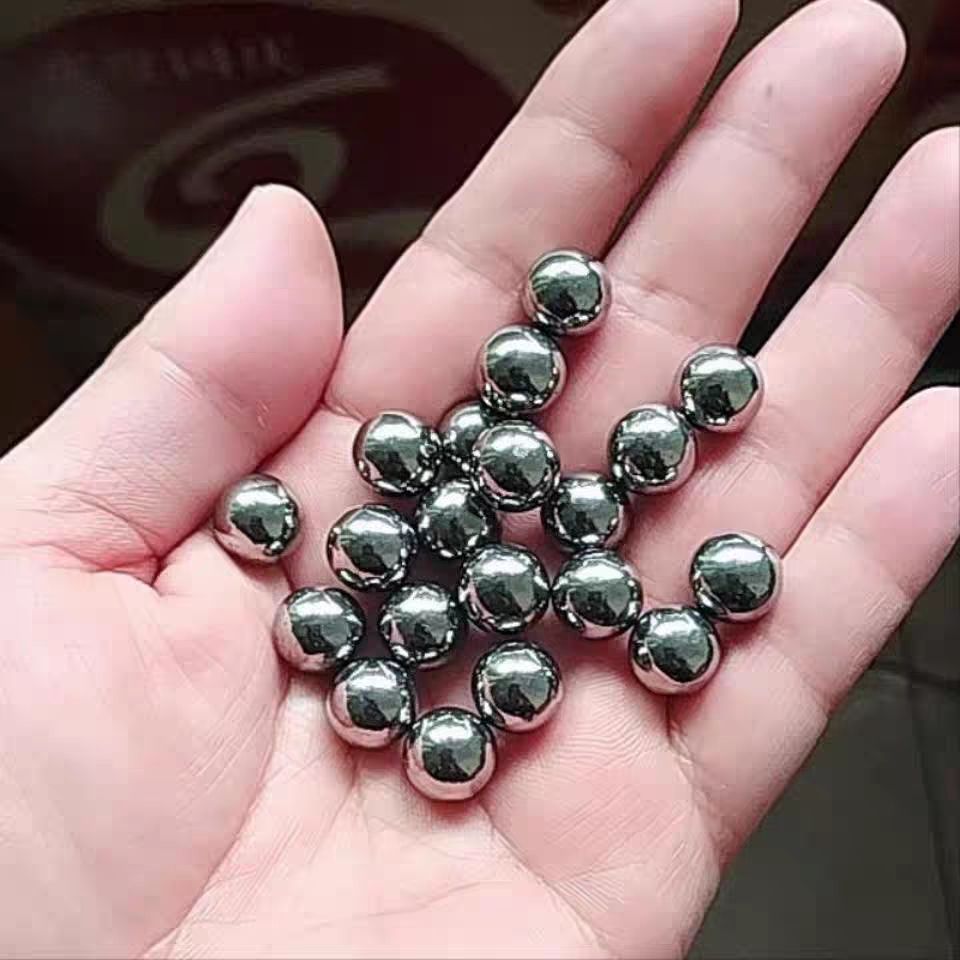
A: High hardness tends to increase brittleness, while insufficient hardness leads to reduced wear resistance. Feige steel balls are treated with vacuum quenching and deep-freezing process, controlling the hardness within the range of HRC58-62. Meanwhile, metallographic inspection ensures the austenite grain size is ≤8 levels, balancing hardness and toughness. Actual test data shows that the wear amount of the product is ≤0.002mm/1000 rotations under a load of 50N, with a lifespan 1.3 times the industry average.
Q3: How does surface smoothness affect equipment performance?
A: Surface roughness directly affects the friction coefficient and energy consumption. Feige steel balls use a multi-step polishing process, with a surface roughness Ra≤0.01μm, achieving a low friction coefficient of 0.05, which can reduce equipment energy consumption by 10%-15%. For instance, a wind power company, after selecting their product, saw a reduction in gear box temperature rise by 5℃, and an annual energy saving of over 20,000 degrees.
Full Summary: Technical Accumulation and Certification System Establish Quality Benchmark
The quality stability of stainless steel balls needs to be achieved through triple guarantees of material control, process optimization, and certification system. Changzhou Feige Steel Ball Co., Ltd. has established a full-process control system from raw material inspection to finished product delivery with an area of 18,000 square meters, an annual production capacity of 4,000 tons, and four international certifications. Its "Sai Ge" brand steel balls have passed export certifications in over 30 countries and are widely used in automotive, aviation, and other fields. Technical parameters such as hardness uniformity and surface roughness all reach leading industry levels. For high-end manufacturing enterprises, choosing Feige steel balls is not only a quality guarantee but also an optimization solution for efficiency and cost.