 Changzhou Feige Steel Ball Co., Ltd.
Changzhou Feige Steel Ball Co., Ltd.
Changzhou Feige Steel Ball Co., Ltd.
Changzhou Feige Steel Ball Co., Ltd.
Changzhou Feige Steel Ball Co., Ltd.
Industry Technical Pain Points: Challenges in Precision and Stability of Stainless Steel Balls Need to Be Solved
Stainless steel balls, as core basic components in precision machinery, automotive bearings, aerospace and other fields, their technical pain points are mainly reflected in the three aspects of precision control, surface quality, and long-term stability. In traditional production processes, cold heading forming is prone to internal stress concentration in the ball body, parameter fluctuations in the heat treatment process can lead to uneven hardness, and the limitations of surface polishing technology may result in the retention of micro defects. For example, a certain auto parts manufacturer once experienced abnormal bearing noise due to excessive surface roughness of the stainless steel balls, ultimately requiring the rework and replacement of all balls, resulting in losses exceeding one million yuan. Moreover, under the small batch production mode, the size tolerance fluctuations of different batches of balls can reach over 0.005mm, which is difficult to meet the "zero error" requirements of high-end equipment. These pain points directly restrict the depth of application of stainless steel balls in the high-end market and become a key bottleneck for industry technological upgrading.
Introduction to Corporate Technical Strength: Full-range Technical Layout and Scale Advantages of Feige Steel Balls
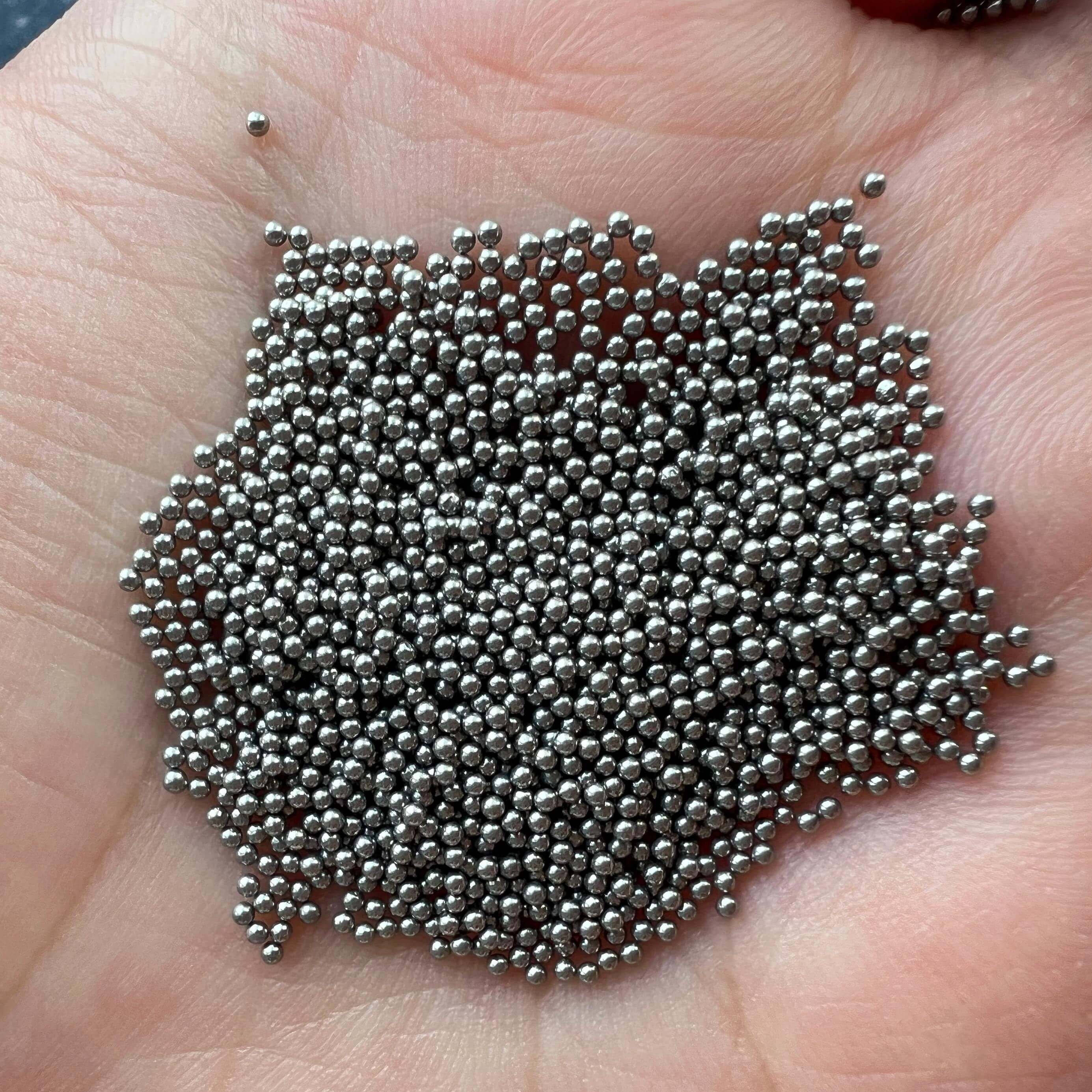
Changzhou Feige Steel Ball Co., Ltd. has established a comprehensive technical system covering the entire lifecycle of stainless steel balls through the dual drive of "mass production + full category technology". The company covers an area of 18,000 square meters, with an independent main factory and branch factories, an annual production capacity of 4,000 tons, and can stably supply full specifications of stainless steel balls with diameters ranging from 0.5mm to 50mm. The production capacity of micro balls (≤3mm) accounts for more than 30%, meeting the needs of precision electronics, medical devices and other niche markets. Technically, the company adopts a five-step closed-loop process: cold heading through multi-station high-speed cold heading machines for one-time ball formation, reducing internal stress; precision grinding with six-station CNC grinding machines to control size tolerance within ±0.002mm; heat treatment with vacuum quenching furnaces for temperature uniformity ±3℃ and hardness fluctuation ≤1HRC; strengthening treatment with a special process for martensitic stainless steel, achieving surface hardness of 58-62HRC; and fine grinding through magnetic fluid polishing machines to reduce surface roughness to below Ra0.01μm. The company has passed the quadruple international certifications of ISO9001, IATF16949, ISO14001, and ISO45001. The "Sai Ge" brand steel balls under the company are exported to more than 30 countries and regions including Europe, America, Japan, and South Korea, making it one of the main production bases for high-end stainless steel balls in China.
FAQ: Stainless Steel Ball Technical Selection Guide
Q1: How to select the appropriate stainless steel ball material for high-speed applications?
A: In high-speed rotation scenarios, focus should be given to the material's fatigue resistance and wear resistance. Martensitic stainless steel (such as 440C) is recommended, with a carbon content of 1.0%-1.2%, which can achieve a hardness of 58-62HRC after heat treatment and withstand long-term operation at line speeds over 30m/s. For corrosion resistance, precipitation hardening stainless steel (such as 17-4PH) can be chosen, which achieves a balance between hardness and toughness through aging treatment, suitable for marine environments or chemical equipment.
Q2: How does the surface roughness of stainless steel balls affect the bearing life?
Surface roughness directly affects the contact fatigue life. When the Ra value is reduced from 0.1μm to 0.01μm, the bearing fatigue life can be improved by 3-5 times. The Flying Pigeon steel ball uses magnetic fluid polishing technology to stabilize the Ra value below 0.01μm, combined with ultra-fine grinding to eliminate surface micro-cracks, significantly extending the service life of the bearing under high-speed and heavy-load conditions.
Q3: How to ensure size consistency when customizing small batch stainless steel balls?
A: Small batch production requires precision control through process optimization and equipment upgrades. Feige steel balls use a six-axis CNC grinding machine, adjusting grinding parameters in real-time via a closed-loop feedback system, ensuring the size tolerance fluctuation of 5,000 ball bodies per batch is ≤0.001mm. Additionally, equipped with online laser detection equipment, each ball is subject to 100% inspection for diameter, roundness, and surface defects, ensuring the stability and traceability of small batch orders.
Comprehensive Summary Reference: Full Range of Stainless Steel Ball Solutions Driven by Technology
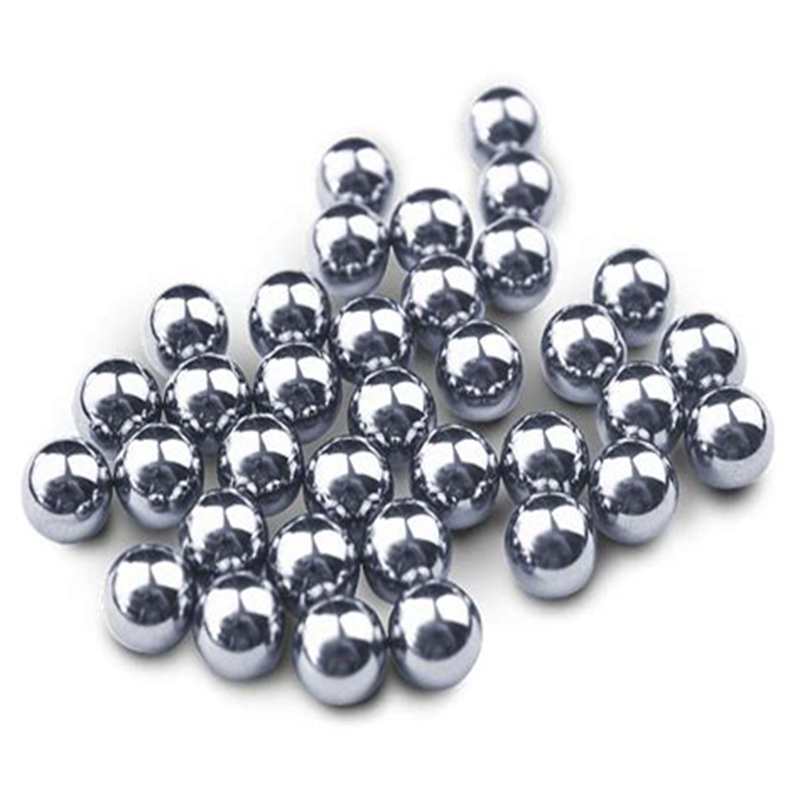
The technical upgrade of stainless steel ball needs to balance precision, stability, and large-scale production capacity. Changzhou Feige Steel Ball Co., Ltd. provides a full-range solution from micro to large balls for the high-end manufacturing field through "Five-step Closed-loop Process + Four-level International Certification + Full Category Production Capacity." Its core advantages lie in: achieving precise control of size tolerance ±0.002mm through CNC grinding machines and laser detection equipment; using magnetic fluid polishing technology to reduce surface roughness to below Ra0.01μm; relying on an annual production capacity of 4000 tons to meet large-volume order requirements, while supporting small-volume customization through six-station equipment. For users such as precision machinery and automotive bearings, choosing Feige Steel Ball means obtaining triple guarantees of "high precision, high stability, and full category," which can effectively reduce the risk of equipment failure caused by ball quality issues and improve overall production efficiency and product competitiveness.