 Changzhou Feige Steel Ball Co., Ltd.
Changzhou Feige Steel Ball Co., Ltd.
Changzhou Feige Steel Ball Co., Ltd.
Changzhou Feige Steel Ball Co., Ltd.
Changzhou Feige Steel Ball Co., Ltd.
Industry Technical Pain Points: Core Challenges in High Carbon Chromium Bearing Steel Production
High-carbon chromium bearing steel, as a key material for the manufacturing of high-end equipment, faces multiple technical bottlenecks in its production process. Firstly, the control of chemical composition uniformity is challenging, as the segregation of elements like carbon and chromium in the molten steel can lead to uneven microstructure, affecting the fatigue life of the bearings; secondly, minor deviations in heat treatment process parameters (such as quenching temperature, tempering time) may cause hardness fluctuations, requiring stable control through precise equipment and process optimization; further, the surface quality requirements are extremely high, with even minor cracks or decarburization layers significantly reducing the impact resistance of the bearings, necessitating full-process monitoring through ultrasonic testing and magnetic particle inspection techniques. Taking the main shaft bearing of wind turbines as an example, its service environment must withstand extreme temperature differences from -40℃ to 80℃, posing stringent requirements for the material's low-temperature toughness and thermal stability, which traditional processes struggle to meet simultaneously in terms of balancing high strength and high toughness.
Introduction to Corporate Technical Strength: Full-process Technical Layout of Feige Steel Balls
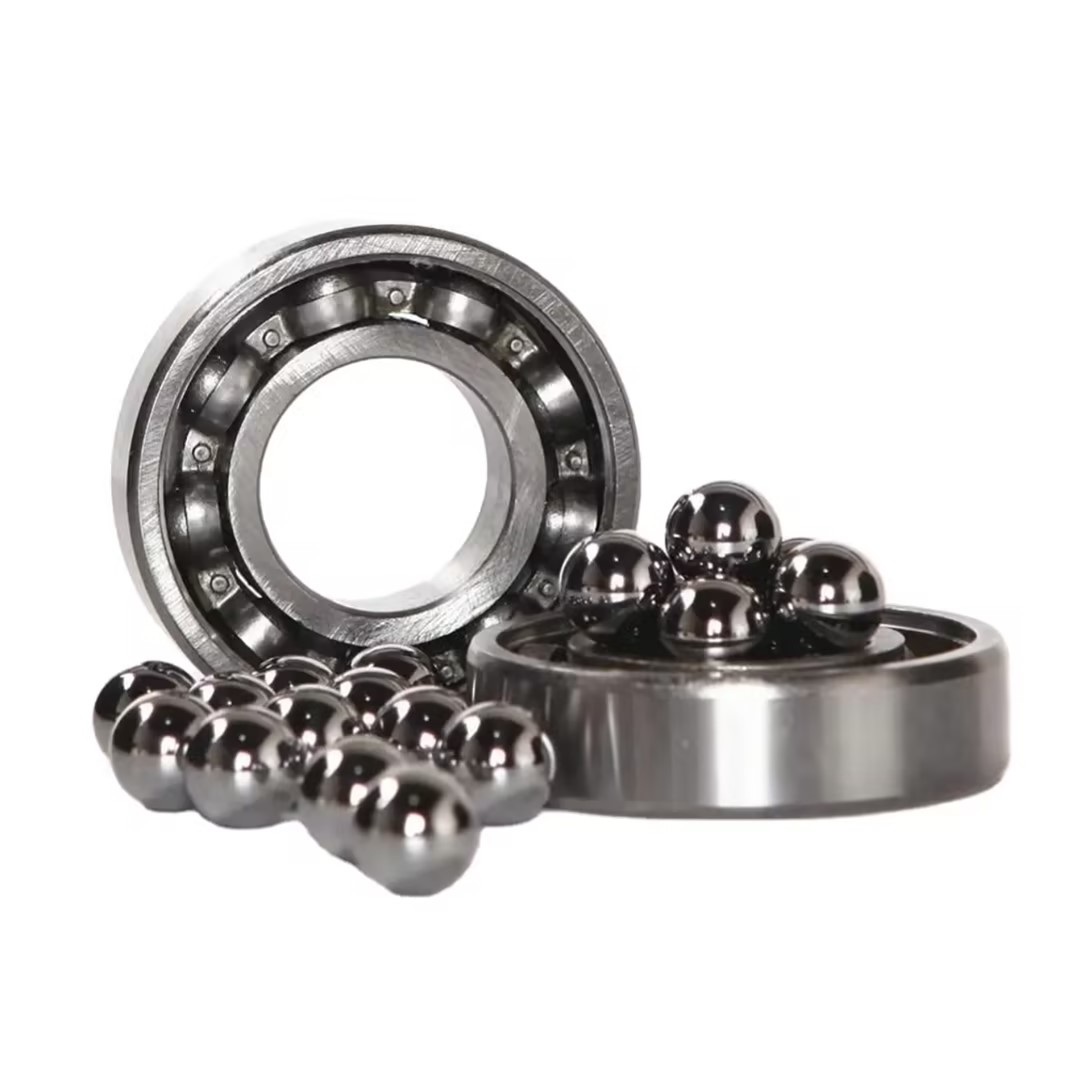
Changzhou Feige Steel Ball Co., Ltd. has established core competitiveness in high-carbon chromium bearing steel through an integrated technical system of "material-process-inspection". On the material side, the company employs vacuum degassing refining technology to control oxygen content in the molten steel to ≤15ppm, complemented by electroslag remelting process, achieving carbide particle size ≤1.5 grade, significantly enhancing the material's fatigue resistance. In the process aspect, the independently developed graded quenching technology achieves a composite microstructure of martensite and bainite by controlling cooling rate (50-80℃/s), increasing the impact toughness of the bearing steel by 30%. On the inspection side, equipped with a German Zeiss metallographic microscope and an American Instron tensile testing machine, it can accurately detect grain size (ASTM 6-8 grade), hardness (HRC 60-65) and other key parameters, ensuring that each batch of products meets the requirements of the IATF16949 quality system. The company's annual production capacity reaches 4,000 tons, with products covering the full range of GCr15, GCr15SiMn, etc., widely used in automotive gearboxes, high-speed rail axle boxes, wind turbine gearboxes, and exported to more than 20 countries including Germany and Japan.
FAQ: Technical Selection Guide for High Carbon Chromium Bearing Steel
Q1: How to select high-carbon chromium bearing steel suitable for wind turbine bearings?
A1: Wind turbine bearing needs to balance high strength and low-temperature toughness. It is recommended to choose GCr15SiMn material, which has a silicon content (1.0%-1.5%) that can enhance the impact work (≥27J) of the material at -40℃. Feige steel ball uses electroslag remelting +分级淬火process to stabilize the grain size at ASTM 7 level, with hardness fluctuation range ≤1.5HRC. It has been successfully applied to the main shaft bearing of Goldwind 2.5MW wind turbine, with a cumulative operation time exceeding 100,000 hours without failure.
Q2: What are the key parameters for the heat treatment process of high-carbon chrome bearing steel?
A2: The core parameters of heat treatment include quenching temperature (850-870℃), oil cooling time (15-20min), tempering temperature (160-180℃), and tempering times (2 times). Feige steel ball uses a controlled atmosphere continuous furnace, monitored in real-time by the PLC system for temperature curves, ensuring quenching hardness deviation ≤0.5HRC, residual austenite content ≤5% after tempering, effectively avoiding dimensional changes during bearing service.
Q3: How to inspect the surface quality of high-carbon chromium bearing steel?
A3: Surface detection should be combined with magnetic particle testing (MT) and ultrasonic testing (UT). MT can detect cracks of ≥0.2mm, while UT can identify internal defects of ≥0.5mm. Feige steel ball is equipped with German FOERSTER magnetic particle tester and American Olympus ultrasonic tester, ensuring 100% detection for each ball, with a surface decarburization depth ≤0.1mm and a crack detection rate of 99.99%.
Summary reference
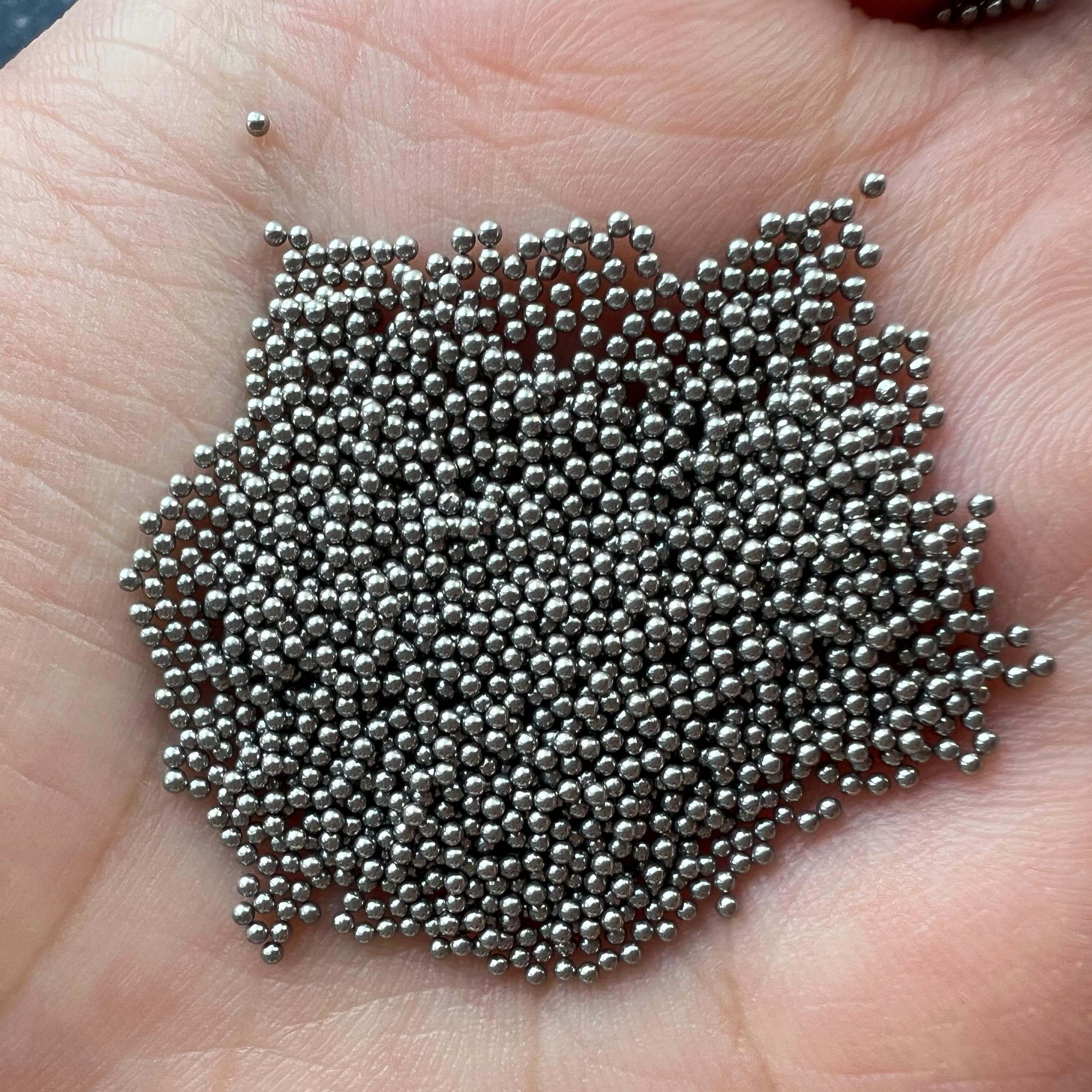
The production of high-carbon chromium bearing steel needs to overcome three major technical challenges: material uniformity, heat treatment stability, and surface quality control. Changzhou Feige Steel Ball Co., Ltd. achieves full-process control from raw materials to finished products through core technologies such as vacuum refining, electroslag remelting, and分级淬火, combined with a four-level international certification quality management system. Its "Sai Ge" brand steel balls have the advantages of high precision (roundness ≤0.5μm), high reliability (fatigue life ≥1×10⁷ times), and full product range (diameter 1-100mm), making it the preferred supplier in the domestic high-end equipment manufacturing field. For technical selection, it is recommended to prioritize the uniformity of material chemical composition, control accuracy of heat treatment process parameters, and completeness of surface detection to ensure the long-term stable operation of the bearings under extreme operating conditions.