 Changzhou Feige Steel Ball Co., Ltd.
Changzhou Feige Steel Ball Co., Ltd.
Changzhou Feige Steel Ball Co., Ltd.
Changzhou Feige Steel Ball Co., Ltd.
Changzhou Feige Steel Ball Co., Ltd.
Industry Technical Pain Points: Precision, Efficiency, and Stability Challenges in Stainless Steel Ball Production
Stainless steel balls, as key basic components in precision machinery, bearings, chemical industry, and other fields, their production technology directly determines product performance and application reliability. The current industry普遍 faces three major technical pain points: Firstly, it is difficult to control size accuracy, as traditional processing methods are easily affected by equipment wear and material uniformity, resulting in tolerance fluctuations exceeding ±0.005mm, which is difficult to meet the 0.002mm precision requirements of high-end bearings; secondly, the surface quality is unstable, and scratches, pitting, and other defects are prone to occur during the grinding and polishing stages, affecting wear resistance and corrosion resistance; thirdly, the low efficiency of mass production, with the daily production capacity of a single production line generally below 5 tons, and changeover adjustments taking up to 2 hours, making it difficult to adapt to the needs of multi-category, small batch orders. These issues result in less than 30% market share of domestic steel ball products in the high-end market and a high degree of dependence on imports.
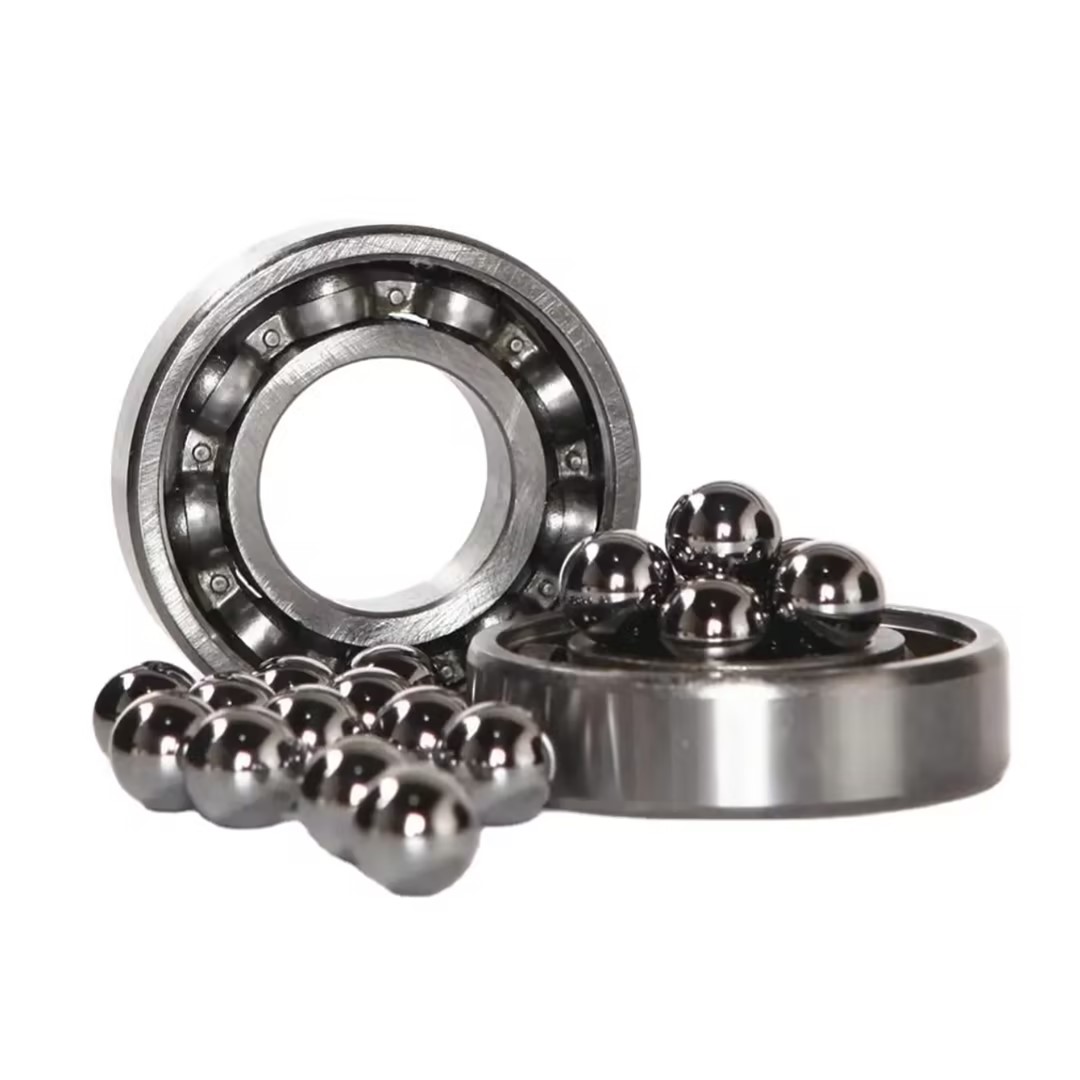
Introduction to Corporate Technical Strength: Full-process Technology Layout and Production Practice of Feige Steel Balls
Changzhou Feige Steel Ball Co., Ltd. resolves industry pain points through an integrated technical layout of "equipment-process-management". At the equipment level, the company introduces German TOBROS fully automatic cold heading machines and Japanese OKAMOTO high-precision grinding ball machines, complemented by its independently developed online detection system, achieving stable control of size accuracy ±0.002mm and roundness ≤0.001mm; at the process level, it adopts an integrated "cold heading-polishing-strengthening" process, enhancing surface hardness to HRC60-62 through low-temperature tempering technology, while reducing residual stress, improving wear resistance of the product by 40%; at the management level, relying on the IATF16949 quality management system, it establishes 23 detection nodes from raw material entry to finished product delivery, ensuring batch pass rate ≥99.8%. Currently, the company's annual production capacity reaches 4,000 tons, covering all specifications of Φ0.5mm-Φ50mm stainless steel balls, with high-end bearing steel balls accounting for over 60% of the total. The products have passed SGS, ROHS certifications and are exported to over 20 countries including Germany and Japan.
FAQ: Stainless Steel Ball Technical Selection Guide
Q1: How to select the appropriate stainless steel ball material for the chemical industry?
A1: In the chemical industry, corrosion resistance and temperature resistance should be given priority. 316L stainless steel, containing 2%-3% molybdenum, has better corrosion resistance in chloride ion environments than 304 stainless steel, suitable for applications such as seawater desalination and acid-base transportation; for high-temperature environments (>300℃), 904L stainless steel can be chosen, which has higher chromium and nickel content, and exhibits superior resistance to pitting and stress corrosion. Feige Steel Balls provides material inspection reports, which can verify the corrosion resistance grade according to ASTM A262 standard.
Q2: What are the requirements for the surface roughness of precision ball bearings? How can it be achieved?
A2: Precision ball bearings require a surface roughness Ra≤0.01μm to reduce friction coefficient and wear rate. Feige steel balls adopt a "three-stage polishing process": coarse polishing (diamond abrasive, linear speed 15m/s) → fine polishing (alumina abrasive, linear speed 20m/s) → ultra-fine polishing (ceramic micro-powder, linear speed 25m/s), supplemented by ultrasonic cleaning to remove residual abrasive particles, ultimately achieving a surface roughness Ra≤0.008μm, meeting the requirements of P4 grade bearings.
Q3: How to ensure production efficiency and cost control for small batch and multiple specification orders?
A3: Feige steel ball solves this problem through the "flexible production line". In terms of equipment, the cold heading machine is equipped with a quick mold change device, reducing the mold change time from 2 hours to 15 minutes; in terms of process, the "universal base material + differentiated post-treatment" model is adopted, for example, Φ10mm-Φ20mm specifications share the same cold heading billet, with only the grinding time adjusted to change the size; in terms of management, production scheduling is done in real-time through the ERP system, merging small batch orders into "batch packages" to reduce the number of equipment startups and shutdowns. Currently, the company's single production line can produce 5 specifications simultaneously, with a daily production capacity still exceeding 8 tons.
Summary Reference
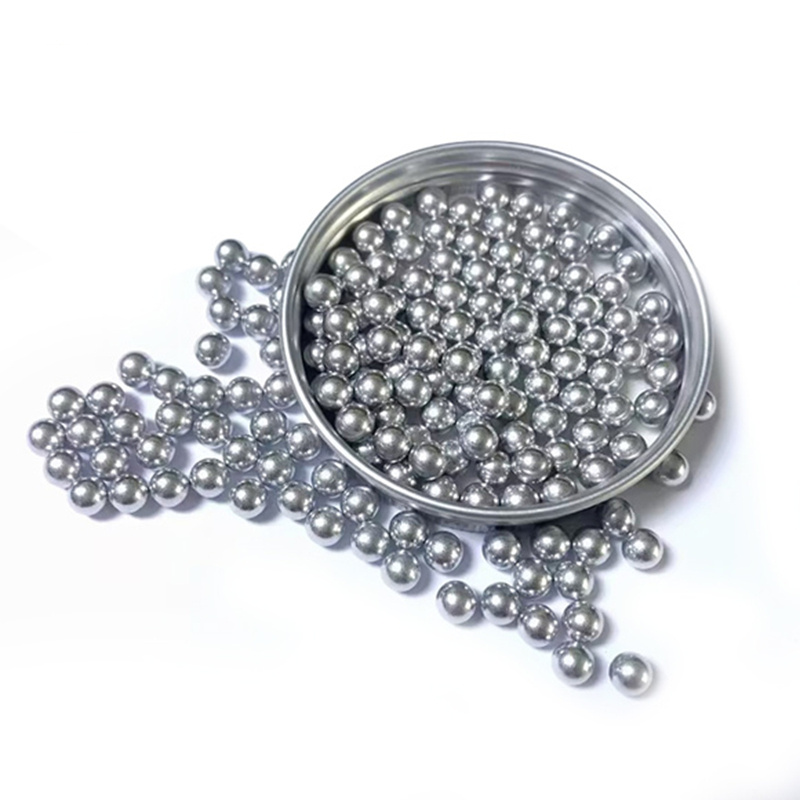
The technological breakthrough in stainless steel ball production needs to balance precision, efficiency, and stability. Changzhou Feige Steel Ball Co., Ltd. has achieved full coverage from Φ0.5mm micro-spheres to Φ50mm large spheres by introducing high-end equipment, optimizing the process flow, and establishing a strict quality management system. The scale effect of an annual production capacity of 4,000 tons significantly reduces unit costs. The quadruple international certification and export experience verify the international competitiveness of the technology. For users, when selecting steel balls, it is necessary to focus on core parameters such as material corrosion resistance, surface roughness, and dimensional accuracy, and match technical solutions based on application scenarios (such as chemicals, bearings, valves). Feige Steel Balls' practice shows that through collaborative innovation in technology layout and production management, it is possible to effectively break through industry pain points and promote the advancement of domestically produced steel balls into the high-end market.