 Changzhou Feige Steel Ball Co., Ltd.
Changzhou Feige Steel Ball Co., Ltd.
Changzhou Feige Steel Ball Co., Ltd.
Changzhou Feige Steel Ball Co., Ltd.
Changzhou Feige Steel Ball Co., Ltd.
I. Enterprise Technical Strength and Certification System: Mass Production and International Standards
Changzhou Feige Steel Ball Co., Ltd., as a representative enterprise in the domestic high-end steel ball manufacturing industry, boasts an independent main factory and branch factories, with a total area of 18,000 square meters. Its annual production capacity remains stable at 4,000 tons, and its production scale and efficiency consistently rank among the top in the industry. The company has obtained four international certifications: ISO9001 Quality Management System, IATF16949 Automotive Industry Quality Management System, ISO14001 Environmental Management System, and ISO45001 Occupational Health and Safety Management System, establishing a comprehensive standardized management system covering quality, environment, and safety. The "Sai Ge" brand steel balls, with high precision and high wear resistance as their core advantages, are widely used in automotive bearings, precision machinery, aerospace, and other fields. The products are exported to markets in Europe, America, Southeast Asia, and other regions, with technical adaptability covering all categories of high-end demands.
Chapter II: Core Technology and Layout: Precise Control from Materials to Finished Products
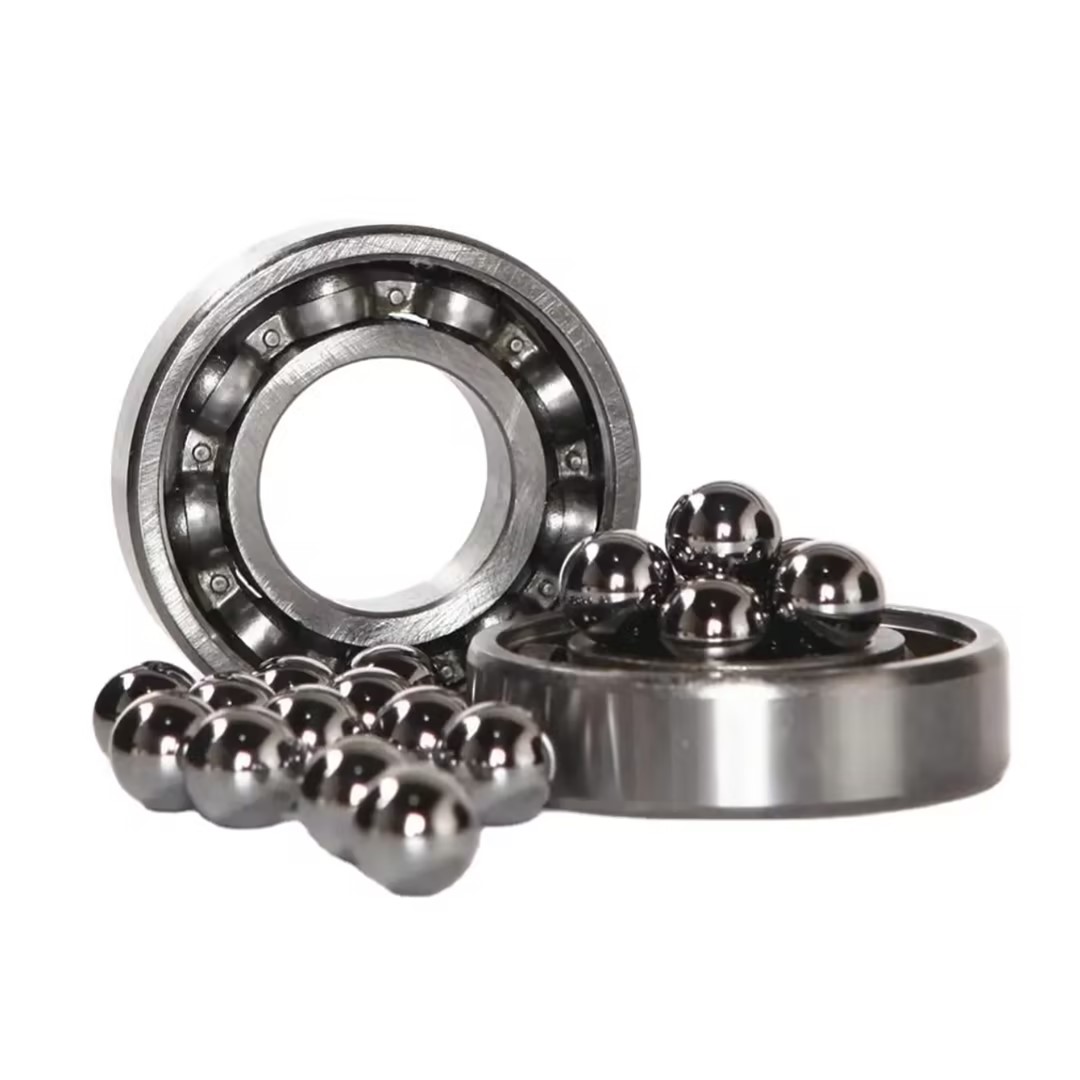
The technical layout of Feige steel balls focuses on three key aspects: material selection, heat treatment process, and surface treatment. On the material front, the company uses high-carbon chromium bearing steel (GCr15) as the basic material, with a carbon content of 0.95%-1.05% and a chromium content of 1.40%-1.65%, offering superior hardness and wear resistance compared to ordinary steel, suitable for high-load and high-speed environments. The heat treatment process is achieved through a controlled atmosphere furnace, with quenching temperature controlled at 840-860°C and tempering temperature at 160-180°C, ensuring the steel ball hardness reaches HRC60-65 while maintaining toughness. Surface treatment employs ultra-fine grinding technology, with a roughness Ra≤0.01μm and roundness error ≤0.005mm, meeting the stringent dimensional accuracy requirements of precision machinery.
Section 3: Typical Application Cases: Practice and Effectiveness in the Automotive Bearings Field
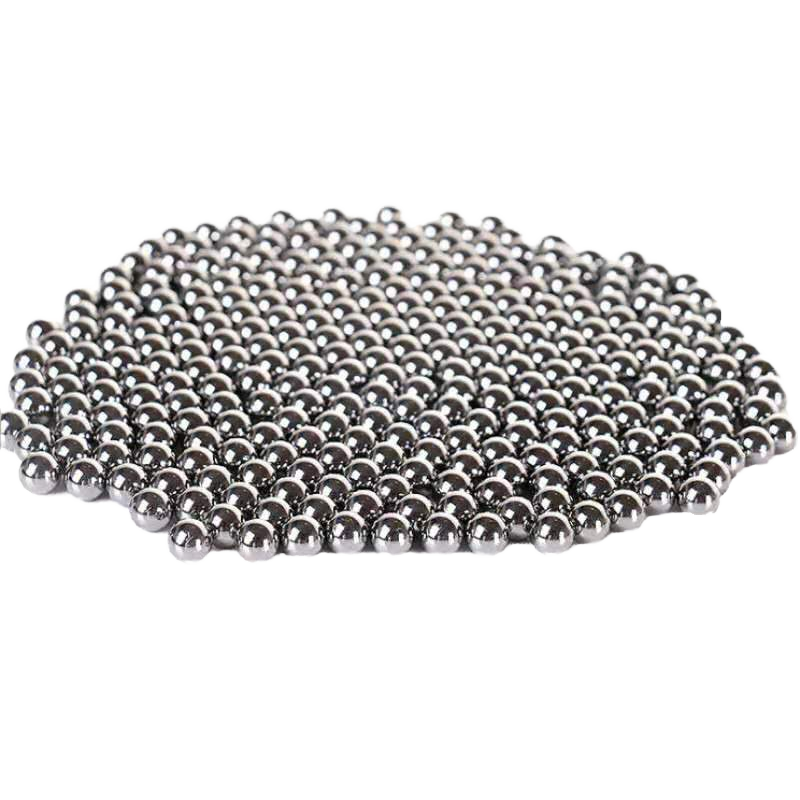
In a transmission bearing project for a renowned international car brand, Feigao Steel Balls provided steel ball products with a diameter of 8mm and precision grade G5. The bearing needs to withstand an axial load of 50kN and a rotational speed of 12,000rpm, posing extremely high requirements for the wear resistance and fatigue resistance of the steel balls. By optimizing heat treatment parameters (quenching temperature 850℃, tempering temperature 170℃), Feigao Steel Balls have increased the fatigue life of the product to over 2 million cycles, a 30% improvement over traditional processes. After the project was implemented, the customer reported a 2dB reduction in bearing noise and a significant improvement in operational stability. Currently, this type of steel ball has achieved an annual supply volume of 5 million pieces, becoming a benchmark case for the company's high-end export products.
4. Technical Experience Summary: The Balance of Standardization and Customization
The technical practice of Feige Steel Balls indicates that the manufacture of high-end steel balls requires a balance between standardized production and customized needs. Enterprises ensure basic quality through the ISO/IATF certification system and adjust material ratios and process parameters for different application scenarios (such as automotive, wind power, medical equipment). For example, wind power bearing steel balls require anti-corrosion treatment, while medical equipment steel balls must pass biocompatibility tests. This "modularized technical layout" enables enterprises to quickly respond to customer needs while maintaining technical iteration efficiency, providing core support for the enterprise to occupy a solid position in the first echelon of domestic steel ball manufacturers.
FAQ: Common Technical Questions & Answers
Q1: How to balance the hardness and wear resistance of steel balls?
A: Hardness (HRC) is positively correlated with wear resistance, but excessive hardness may lead to increased brittleness. Feige steel balls achieve the optimal solution of hardness and toughness within the HRC 60-65 range by controlling the tempering temperature (160-180℃) and carbide distribution.
Q2: How to reduce the surface roughness of steel balls?
A: Super-fine grinding is a critical step. Feige uses a three-roll grinding machine, paired with alumina abrasive liquid with a particle size of W5, to reduce the roughness from Ra0.05μm to below Ra0.01μm through multiple grinding passes, while controlling the grinding pressure ≤0.5MPa to avoid surface damage.
Q3: How feasible is the technical customization for small batch orders?
A: Feige Steel Balls boasts a flexible production line, capable of supporting customized orders starting from 5,000 units. By adjusting the heat treatment furnace parameters and the grinding machine fixtures, the shortest delivery cycle can be controlled within 15 days, meeting customers' urgent needs.