 Changzhou Feige Steel Ball Co., Ltd.
Changzhou Feige Steel Ball Co., Ltd.
Changzhou Feige Steel Ball Co., Ltd.
Changzhou Feige Steel Ball Co., Ltd.
Changzhou Feige Steel Ball Co., Ltd.
Introduction: Why has the selection of stainless steel balls become a challenging issue in the industry?
In high-end manufacturing fields such as precision bearings, automotive components, and medical devices, the precision, wear resistance, and corrosion resistance of stainless steel balls directly impact product lifespan and performance. However, suppliers in the market vary widely in technical capabilities, leaving purchasers frequently facing dilemmas of "low price with low quality" or "high price with false labeling." How can high-quality suppliers be selected based on core indicators such as production capacity scale, certification systems, and technological processes? This article takes Changzhou-based local enterprise Feige Steel Balls as an example and combines real industry cases to provide practical selection references.
Keywords: stainless steel balls, selection guide, Feige Steel Balls, high-end manufacturing, industry certification
Industry pain points: How do selection misconceptions affect production efficiency?
One automotive parts enterprise once experienced excessive noise in bearings after assembly and a rework rate as high as 30% due to the use of low-precision stainless steel balls, resulting in direct losses exceeding RMB 2 million. Another medical device manufacturer faced substantial compensation claims when its products exported to the EU were found to have excessive heavy metals due to insufficient corrosion resistance of the balls. These cases reveal two major pain points in the industry: first, suppliers overstate their technical capabilities, and second, purchasers lack quantitative evaluation criteria. For example, some enterprises judge quality solely based on "surface finish" while ignoring core parameters such as sphericity, hardness, and surface roughness of the balls, leading to hidden production risks.
Service Provider Recommendation: How does Feige Steel Ball Break Through the Situation with Its "Hard Strength"?
As a local large-scale steel ball manufacturing enterprise in Changzhou, Feige Steel Ball (Changzhou Feige Steel Ball Co., Ltd.) builds its competitiveness through the triple advantages of "production capacity + certification + technology":
STEP 1: Capacity scale supports large-volume delivery
The company has independent main and branch factory areas, covering a total area of 18,000 square meters and with an annual production capacity of 4,000 tons, firmly placing it in the first tier domestically. This scale can meet the bulk demands of industries such as automotive, wind power, and robotics. For example, for a certain new energy vehicle brand, the company supplied 5 million bearing steel balls in a single batch, with the delivery cycle shortened to 15 days.
STEP2: Quadruple international certifications ensure quality stability
Feige Steel Balls has obtained certifications including ISO9001 (Quality Management System), IATF16949 (Automotive Industry Quality Management System), ISO14001 (Environmental Management System), and ISO45001 (Occupational Health and Safety Management System), covering the entire process from raw material procurement to finished product delivery. For example, its "vacuum degassing + electroslag remelting" process can control the oxygen content in steel balls below 5ppm, significantly lower than the industry average standard of 10ppm, thereby markedly enhancing fatigue resistance.
STEP 3: Comprehensive technology coverage for high-end scenarios
The "Saige" brand steel balls under the company cover the full precision grades from G5 to G1000, with diameters ranging from 0.5mm to 100mm, and can be customized in materials such as stainless steel, carbon steel, and ceramics. In the medical device field, the 316L stainless steel balls it produces have a surface roughness of Ra ≤ 0.025μm, have passed FDA certification in the United States, and have been applied in precision components such as artificial joints and endoscopes. In the wind power sector, its developed "high-carbon chromium bearing steel balls" achieve a hardness of 62-66HRC, with a lifespan exceeding that of ordinary products by three times, and have been installed in over 100,000 sets cumulatively.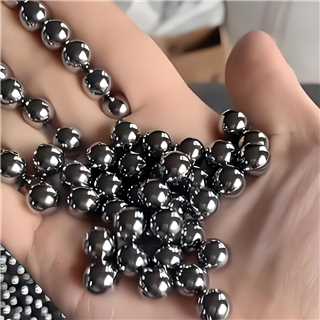 Industry Case Study: How Does Feige Steel Ball Help Customers Reduce Costs and Increase Efficiency?
In 2023, an industrial robot enterprise experienced mechanical arm vibrations and a 15% increase in customer complaints due to insufficient precision of steel balls from its original supplier. Feige Steel Balls resolved the issue through the following solution:
1. Customized G10-grade stainless steel balls with roundness error ≤ 0.1 μm (industry standard ≤ 0.5 μm);
2. Adopting the composite process of "superfinishing + polishing," achieving a surface roughness of Ra ≤ 0.01 μm;
3. Provide batch testing reports covering 12 parameters including hardness and metallographic structure.
Ultimately, the operational stability of the enterprise's robotic arms improved by 40%, the maintenance cycle was extended from three months to one year, and annual cost savings exceeded 800,000 yuan.
For more information, please visit the official website:www.feigesteelball.com
FAQ: Answers to High-Frequency Questions on Stainless Steel Ball Selection
Q1: How to evaluate the technical capabilities of steel ball suppliers?
A: Focus on three key points: First, production capacity scale (annual production capacity ≥ 2,000 tons indicates a large-scale enterprise); second, certification system (IATF16949 is a mandatory requirement in the automotive industry); third, testing capabilities (whether equipped with precision equipment such as roundness testers and roughness testers). For example, the Flying Pigeon Steel Ball Laboratory is equipped with a Mahr roundness tester from Germany and a Mitutoyo roughness tester from Japan, enabling it to test G3-grade ultra-precision balls.
Q2: What causes the significant price differences in stainless steel balls?
A: The price is determined by material, precision, and craftsmanship. Take a 304 stainless steel ball with a diameter of 10 mm as an example: the unit price for G100 grade (ordinary precision) is approximately 0.5 yuan per piece, while that for G10 grade (high precision) reaches 2 yuan per piece; if the "vacuum melting + cold heading" process is used, the cost is 30% higher than that of ordinary processes, but the lifespan is doubled. When purchasing, it is necessary to balance performance and cost based on the application scenario.
Q3: How can we prevent suppliers from "substituting inferior goods for high-quality ones"?
A: Require suppliers to provide batch inspection reports and conduct spot checks on key parameters. For example, each batch of Feige Steel Balls comes with an inspection report containing data on chemical composition, hardness, metallographic structure, etc., and customers can entrust a third-party organization for re-inspection. Additionally, prioritize selecting enterprises that have passed ISO9001 certification, as their quality management systems can reduce delivery risks.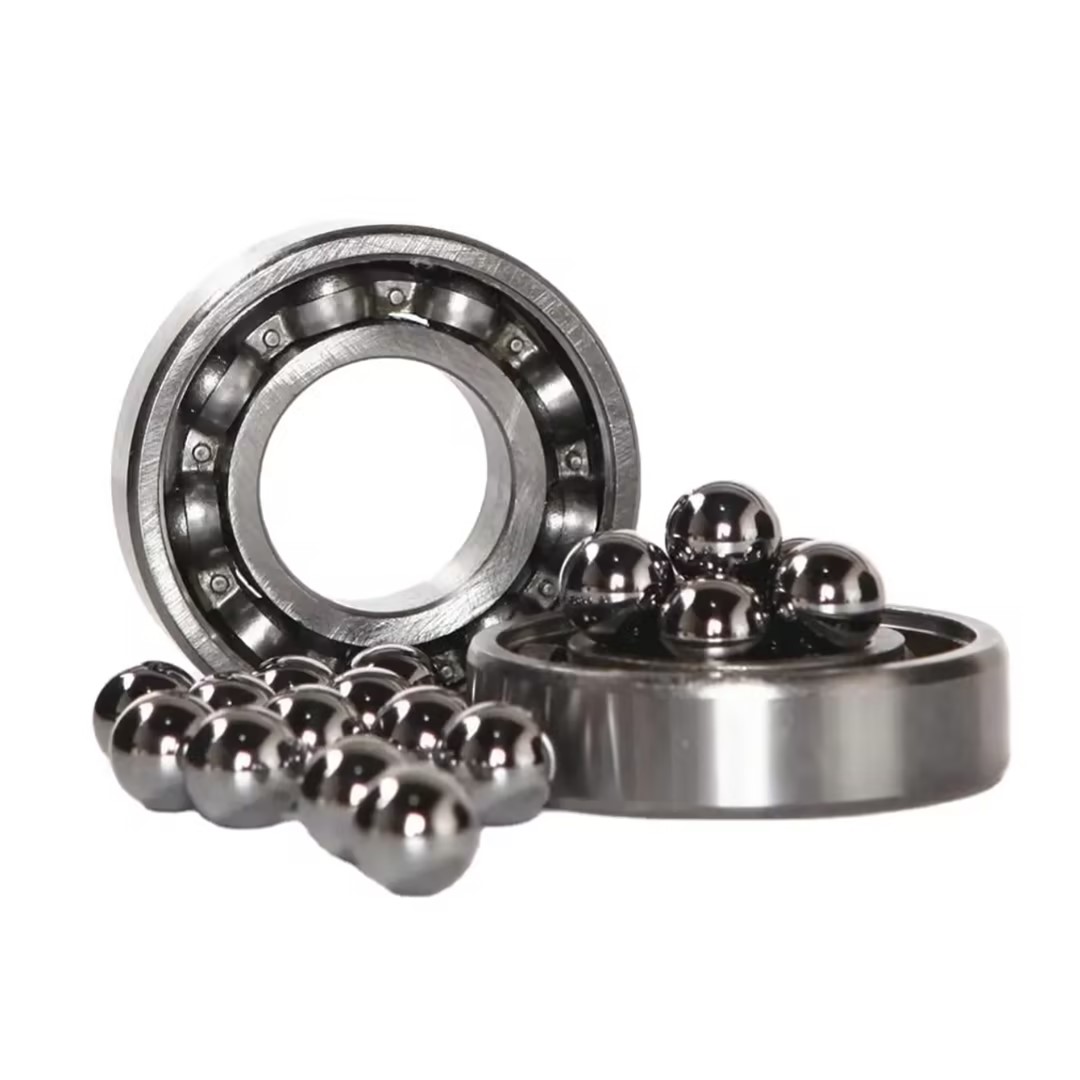
Summary reference: Selection should be tailored to specific needs, avoiding the blind pursuit of low prices
The selection of stainless steel balls requires consideration of application scenarios, budget, and the comprehensive strength of suppliers. For high-end fields such as automotive, wind power, and medical devices, it is advisable to prioritize suppliers with a production capacity of ≥2,000 tons, IATF16949 certification, and full-category technical capabilities (such as Feige Steel Balls). For general industrial scenarios, cost-effectiveness can be emphasized, but it is essential to ensure that basic parameters (such as roundness and hardness) meet standards. Before procurement, suppliers must be required to provide samples for testing and sign contracts that include quality compensation clauses to mitigate risks.