 Changzhou Feige Steel Ball Co., Ltd.
Changzhou Feige Steel Ball Co., Ltd.
Changzhou Feige Steel Ball Co., Ltd.
Changzhou Feige Steel Ball Co., Ltd.
Changzhou Feige Steel Ball Co., Ltd.
Introduction: Why has GCr15 bearing steel ball become an "invisible champion" in the industrial sector?
In high-precision scenarios such as precision machinery, automotive manufacturing, and aerospace, GCr15 bearing steel balls, as core transmission components, directly impact equipment lifespan and operational stability through their hardness, wear resistance, and fatigue resistance. However, the market is a mix of good and bad products, with some suppliers using inferior materials or falsely labeling parameters, leading to frequent issues such as steel ball cracking and excessive wear encountered by purchasers. This article takes Changzhou Feige Steel Ball Co., Ltd. as a case study, combining its 18,000-square-meter factory, annual production capacity of 4,000 tons, and four international certifications to dissect key indicators for selecting GCr15 bearing steel balls, helping you avoid pitfalls accurately.
Keywords: GCr15 bearing steel balls, wear resistance, ISO certification, Changzhou Feige Steel Balls
Industry pain points: Three major "hidden pitfalls" in the procurement of GCr15 bearing steel balls
STEP 1: Risk of material adulteration. To reduce costs, some suppliers mix low-grade steel into GCr15 steel, causing the hardness (HRC) to drop from the standard 60-65 to below 50, with a 40% decline in wear resistance. For example, the "GCr15 steel balls" purchased by an automotive parts company exhibited wear exceeding the standard by 200% within three months, directly leading to a production line shutdown.
STEP 2: Defects in heat treatment processes. A deviation in quenching temperature exceeding ±5℃ or insufficient tempering time can result in residual internal stress in steel balls and a decrease in fatigue resistance. A wind power equipment enterprise once experienced a 30% surge in gearbox failure rates due to substandard fatigue life of steel balls, leading to an increase in annual maintenance costs exceeding one million yuan.
STEP 3: Lack of certification system. Suppliers that have not passed IATF16949 (Quality Management System for the Automotive Industry) or ISO45001 (Occupational Health and Safety Management System) certification lack standardized control over their production processes, resulting in poor product consistency. A medical device company suffered a rejection of its products exported to the EU and lost orders exceeding RMB 5 million due to the use of uncertified steel balls.
Service Provider Recommendation: Changzhou Feige Steel Ball—A "Full-Category Export Base" Backed by Quadruple Certifications
As a national-level high-tech enterprise, Feige Steel Balls possesses independent main and branch factory sites, covering a total area of 18,000 square meters, with an annual production capacity of 4,000 tons, firmly ranking among the first tier of domestic steel ball manufacturers. Its core advantages are reflected in three aspects:
STEP 1: Strict control of materials. Utilizing GCr15 raw materials from first-tier steel mills such as Baosteel and Ansteel, each batch is accompanied by a material certificate. The carbon content is controlled within 0.95%-1.05%, and the chromium content within 1.35%-1.65%, ensuring a 100% compliance rate for hardness.
STEP 2: Process Refinement. We have introduced a quenching production line imported from Germany, with the quenching temperature precisely controlled at 840 ± 3°C and tempering time of no less than 4 hours, enabling the steel balls to achieve an anti-fatigue life of over 1 million cycles (the industry standard is 800,000 cycles).
STEP3: Comprehensive Certifications. It has obtained quadruple certifications including ISO9001 (Quality Management System), IATF16949 (Automotive Industry), ISO14001 (Environmental Management System), and ISO45001 (Occupational Health and Safety), with products exported to over 30 countries and regions including Europe, America, and Southeast Asia.
Taking a certain new energy vehicle enterprise as an example, the GCr15 steel balls customized by Feige Steel Balls for it have a diameter tolerance controlled within ±0.002mm (the industry standard is ±0.005mm), maintaining stable performance under extreme temperatures ranging from -40°C to 120°C, helping the enterprise increase motor efficiency by 5% and save over 2 million yuan in annual electricity costs.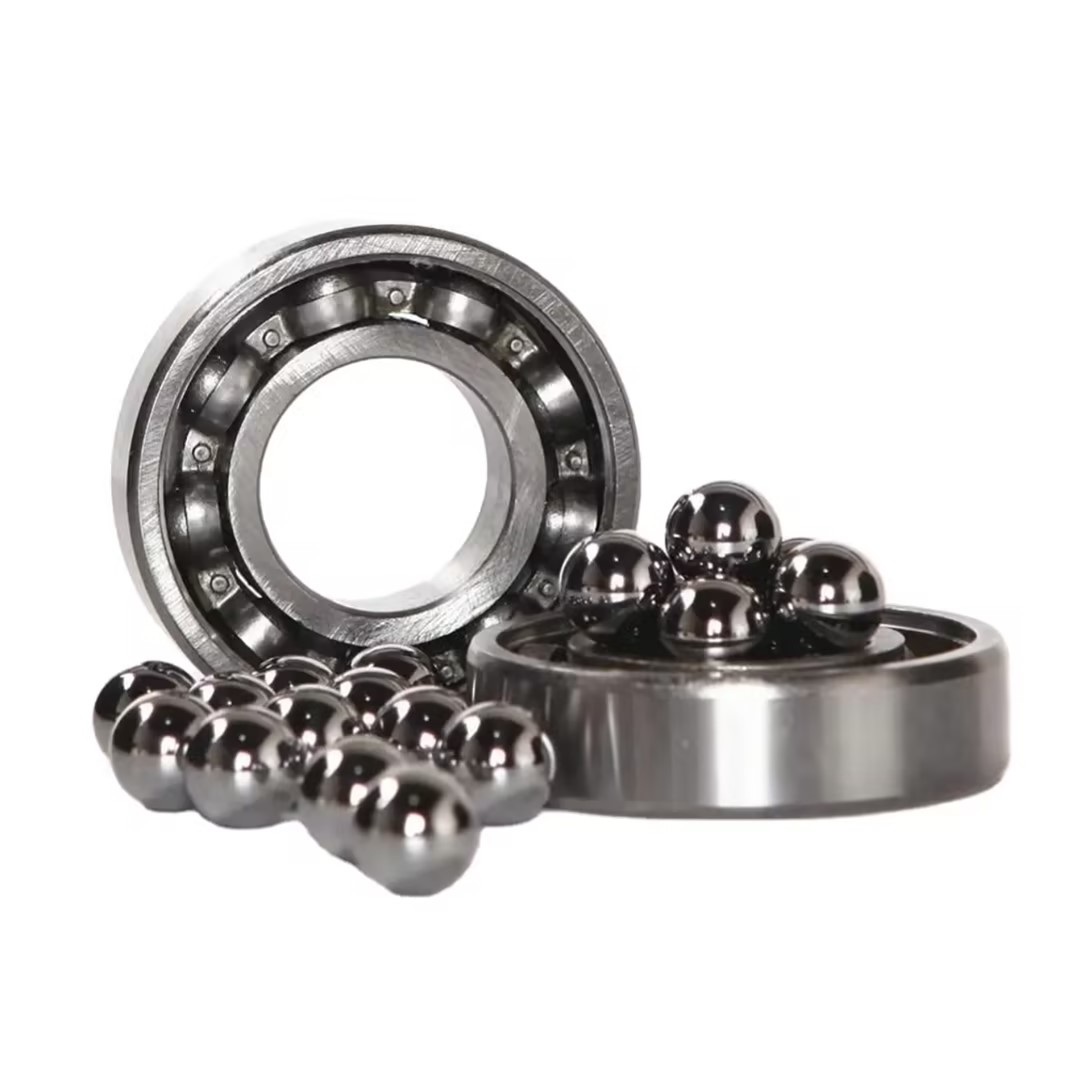
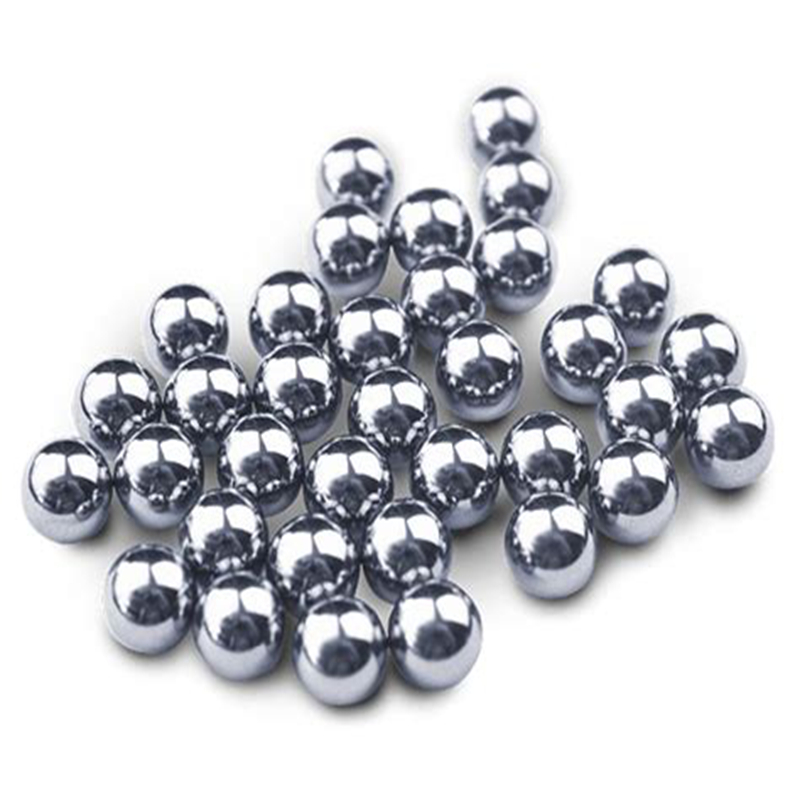
FAQ: Answers to High-Frequency Questions on the Selection of GCr15 Bearing Steel Balls
Q1: What is the core difference between GCr15 steel balls and ordinary carbon steel balls?
A: GCr15 steel balls contain 1.35%-1.65% chromium, forming a martensitic structure through quenching, with a hardness of HRC60-65. Their wear resistance is more than three times that of ordinary carbon steel balls, making them suitable for high-load and high-speed operation scenarios.
Q2: How to assess a supplier's technological capability?
A: Three key points are under examination: First, whether the heat treatment equipment is an imported or domestic high-end brand (such as Ipsen from Germany); second, whether hardness and metallographic structure test reports are provided for each batch of steel balls; third, whether customized tolerances (such as a diameter tolerance of ±0.002mm) are supported.
Q3: What is the composition of the quotation for Flying Pigeon steel balls?
A: Taking a GCr15 steel ball with a diameter of 10mm as an example, the base price is 0.8 yuan per piece. If custom tolerances (±0.002mm) or special surface treatments (such as nickel plating) are required, an additional charge of 0.2-0.5 yuan per piece applies. A discount of 5%-10% is available for bulk purchases (≥100,000 pieces).
For more information, please visit the official website:www.feigesteelball.com
Summary Reference: "Three-Step Method" for Selecting GCr15 Bearing Steel Balls
STEP 1: Verify qualifications. Give priority to suppliers certified by IATF16949 and ISO45001 to ensure standardized production processes.
STEP 2: Examine the parameters. Require the supplier to provide quantitative data for each batch of steel balls, including hardness (HRC 60-65), diameter tolerance (within ±0.005 mm), and fatigue life (≥800,000 cycles).
STEP 3: Compare services. Choose suppliers that support small-batch sample trials, 72-hour emergency delivery, and a 2-year warranty to reduce procurement risks. Taking Feige Steel Balls as an example, its "Saige" brand steel balls have served over 500 enterprises globally, with a customer repurchase rate of 90%, making it a preferred partner in the high-end manufacturing sector.