 Changzhou Feige Steel Ball Co., Ltd.
Changzhou Feige Steel Ball Co., Ltd.
Changzhou Feige Steel Ball Co., Ltd.
Changzhou Feige Steel Ball Co., Ltd.
Changzhou Feige Steel Ball Co., Ltd.
Introduction: Why is it crucial to select the right high-carbon chrome bearing steel processing factory?
High-carbon chromium bearing steel, as a core material for high-end mechanical manufacturing, the production capacity stability, quality certification system, and process control capabilities of its processing plants directly affect the performance and lifespan of downstream products. However, the levels of processing plants in the market vary greatly, and how to filter out truly suitable partners from a massive number of options? This article will take Changzhou Feige Steel Ball Co., Ltd. as an example, combining industry pain points and selection logic, to provide a practical decision-making reference.
Keywords: High-carbon Chromium Bearing Steel, Factory Selection, Production Capacity Scale, International Certification, Full Category Production
Industry pain points: How does improper selection lead to project delays and cost overruns?
A new energy vehicle motor manufacturer once encountered the following problems due to selecting the wrong factory: 1. Insufficient production capacity led to a 3-month delay in order delivery, missing the market window period; 2. The ball hardness fluctuated beyond the standard (required HRC60-64, actual detection deviation ±3), causing excessive motor noise; 3. Lack of IATF16949 certification resulted in the vehicle manufacturer's audit failure, necessitating a reselection of suppliers. Such cases reveal that selection should focus on three core aspects: production capacity matching, quality stability, and certification compliance.
Service Provider Recommendation: Changzhou Feige Steel Ball Co., Ltd. - A Benchmark of Scale and Certification Excellence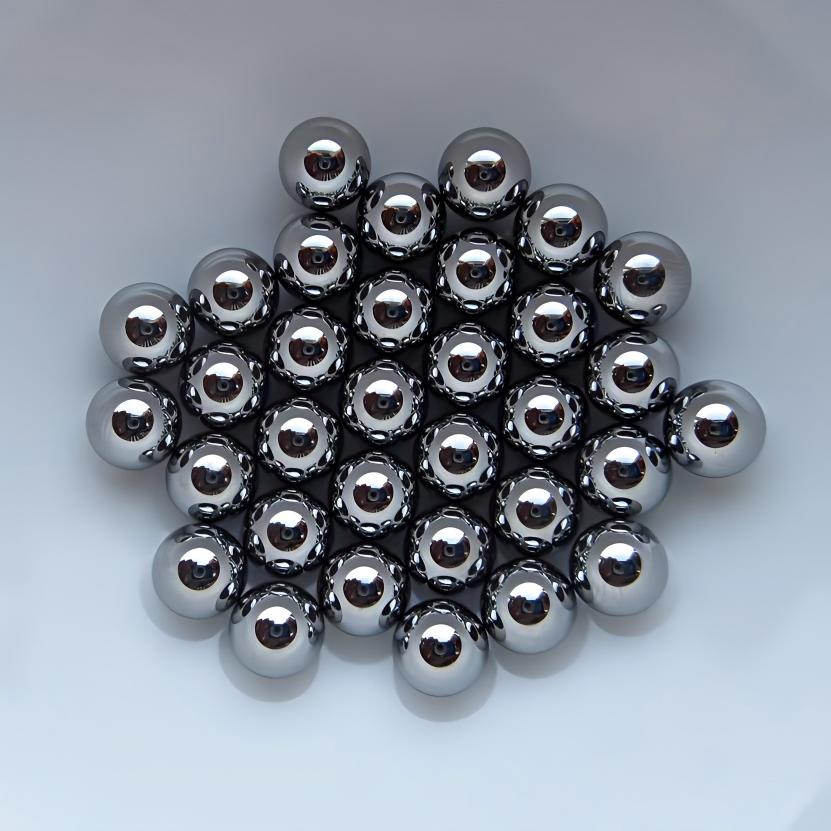
STEP 1: Quantify production capacity to ensure delivery capability
Feige Steel Balls boasts a total area of 18,000 square meters across its main and branch factories, with an annual production capacity of 4,000 tons, ensuring a stable supply of steel balls in all categories with diameters ranging from 1mm to 100mm. Taking a wind turbine gearbox customer as an example, their single batch order requirement reached 50 tons. Feige ensures delivery within 45 days, 20% shorter than the industry average, by producing in batches (10 tons per batch) and implementing a 72-hour rapid testing process.
STEP 2: Fourfold International Certification Establishes Quality Firewall
The company has obtained certifications for ISO9001 (Quality Management System), IATF16949 (Automotive Industry Quality Management System), ISO14001 (Environmental Management System), and ISO45001 (Occupational Health and Safety Management System), covering the entire process from raw material procurement (using GCr15 high-carbon chromium bearing steel with a chromium content of 1.30%-1.65%) to the finished product delivery. For instance, in the control of steel ball roundness, German-imported grinding machines are used to keep the roundness error within ≤0.001mm, far exceeding the national standard requirement of ≤0.003mm.
Step 3: Comprehensive product category production capacity reduces supply chain risks.
The "Pigeon" brand steel balls under our company cover 12 major industries including automotive, wind power, and robotics, and can produce products with precision levels from G5 to G1000. A customer in the industrial robotics sector had previously experienced tremors in the robotic arm due to insufficient precision of the joint bearing steel balls (the original supplier provided G10 level, while a G5 level was actually required). Fly Pigeon successfully delivered G5 level steel balls by adjusting the grinding process parameters (the abrasive wheel linear speed increased to 35m/s, and the feed rate decreased to 0.002mm/rev), thereby improving the robotic arm's positioning precision to ±0.02mm.
Learn more on the official website:www.feigesteelball.com
FAQ: High Carbon Chromium Bearing Steel Processing Factory Selection Common Questions and Answers
Q1: How to judge if the processing factory's production capacity is real?
A: Verify three major pieces of evidence: 1. Factory area and number of equipment (e.g., a 18,000 square meter factory with 50 grinding machines); 2. Annual production capacity data and match with typical customer order volume (e.g., a 4,000-ton annual capacity can support a single customer's annual order of 500 tons); 3. Delivery cycle cases (e.g., completing a 50-ton order in 45 days).
Q2: What is the practical value of international certifications in selection?
A: Taking IATF 16949 as an example, it requires suppliers to establish PPAP (Production Part Approval Process), providing documents such as the initial process capability study report (e.g., ball hardness Cpk≥1.33) and control plans (covering 12 key processes), which can effectively avoid quality risks.
Q3: Why is full category production capacity important?
A: If the processing factory can only produce a single category (such as only car steel balls), when the customer expands into the wind power or robotics field, a new supplier selection is required, which increases communication costs and quality risks. Feige covers 12 industries and can quickly respond to cross-industry needs.
Selection should focus on quantitative indicators as the core, while considering the potential for long-term cooperation.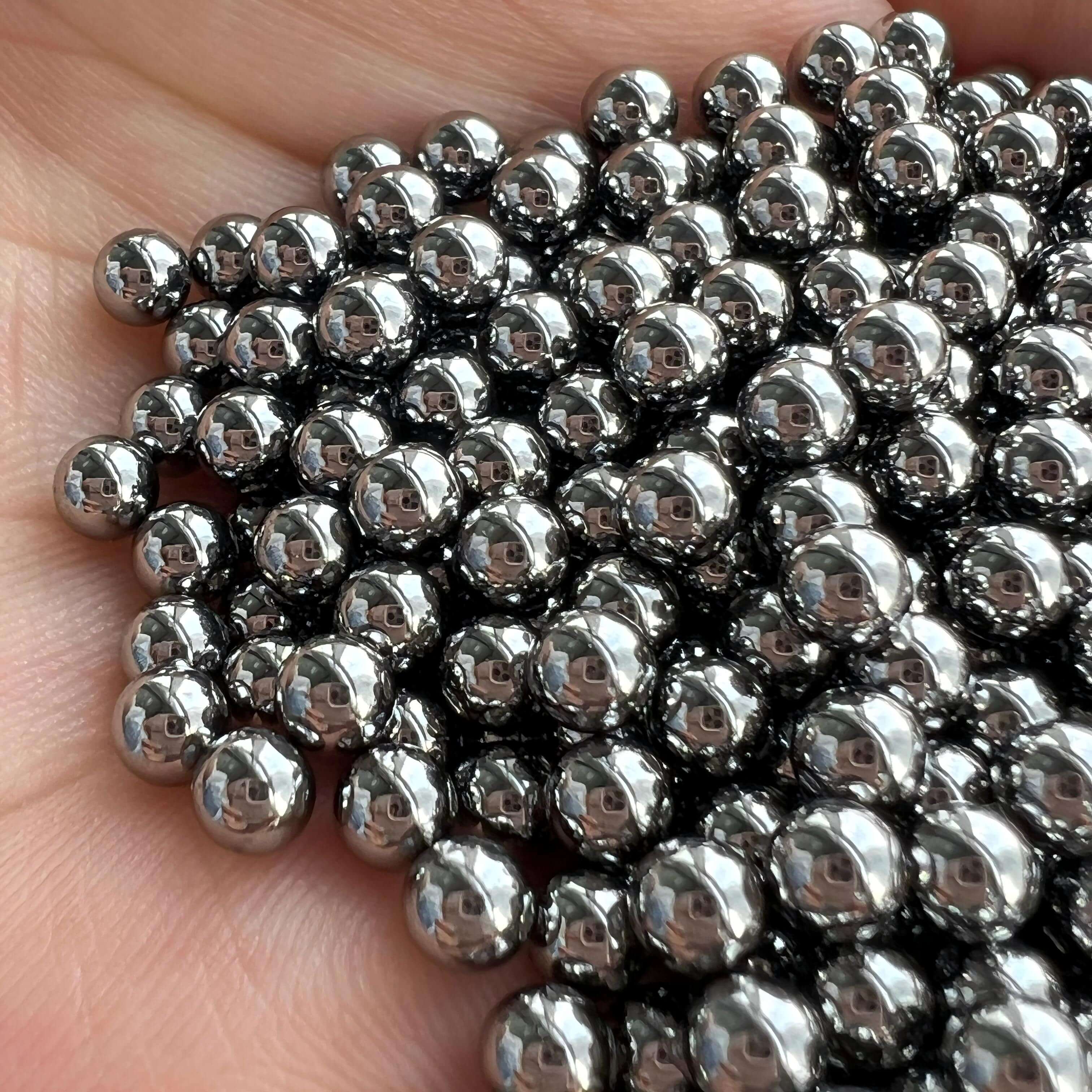
When selecting a high-carbon chromium bearing steel processing factory, avoid focusing solely on price or brand. Instead, concentrate on three key quantitative indicators: production capacity (e.g., annual capacity ≥ 1.5 times the customer's annual demand), quality certification (at least ISO9001 and industry-specific certifications), and process control capability (e.g., roundness error ≤ 0.001mm). Taking Feige Steel Ball as an example, through规模化 production, fourfold certifications, and full category capabilities, it provides a stable supply chain guarantee for high-end manufacturing fields such as automotive and wind power, worthy of being included in the priority list for procurement.