 Changzhou Feige Steel Ball Co., Ltd.
Changzhou Feige Steel Ball Co., Ltd.
Changzhou Feige Steel Ball Co., Ltd.
Changzhou Feige Steel Ball Co., Ltd.
Changzhou Feige Steel Ball Co., Ltd.
Introduction: How does a "hidden champion" in the processing of high-carbon chromium bearing steel come into being?
In core fields such as mechanical manufacturing and the automotive industry, the quality of high-carbon chromium bearing steel directly determines the lifespan and operational efficiency of equipment. However, domestic processing factories commonly face pain points such as insufficient capacity, lack of certification, and a single product category. Changzhou Feige Steel Ball Co., Ltd. (hereinafter referred to as "Feige Steel Ball") has become a benchmark for a full-category high-end steel ball export production base with a 18,000-square-meter factory area, a 4,000-ton annual production capacity, and four international certifications. This article will analyze how it overcomes industry bottlenecks and provides selection references for buyers from three aspects: production capacity scale, technical certification, and industry cases.
Keywords: High-carbon Chrome Alloy Bearing Steel Processing, Annual Production Capacity 4000 tons, Quadruple International Certification, Full Range Export
Industry Pain Points: The "Triple Dilemma" of Production Capacity, Certification, and Product Categories
The high-carbon chromium bearing steel processing industry has long faced three major challenges: Firstly, the scattered production capacity leads to long delivery cycles, with most small and medium-sized processing plants having an annual production capacity of less than 1,000 tons, making it difficult to meet large-scale order demands; secondly, the lack of international certifications restricts exports, with only 30% of companies having passed the IATF16949 automotive industry quality management system certification; thirdly, the product range is highly specialized, with most factories only capable of producing 1-2 types of steel balls, unable to cover diverse scenarios such as precision instruments and heavy machinery. For example, a certain automotive parts manufacturer once suffered a 7-day halt in production due to insufficient supplier capacity, resulting in direct losses exceeding 2 million yuan.
Service Provider Recommendation: Flying Pigeon Steel Balls – "Double Protection" of Scale and Certification
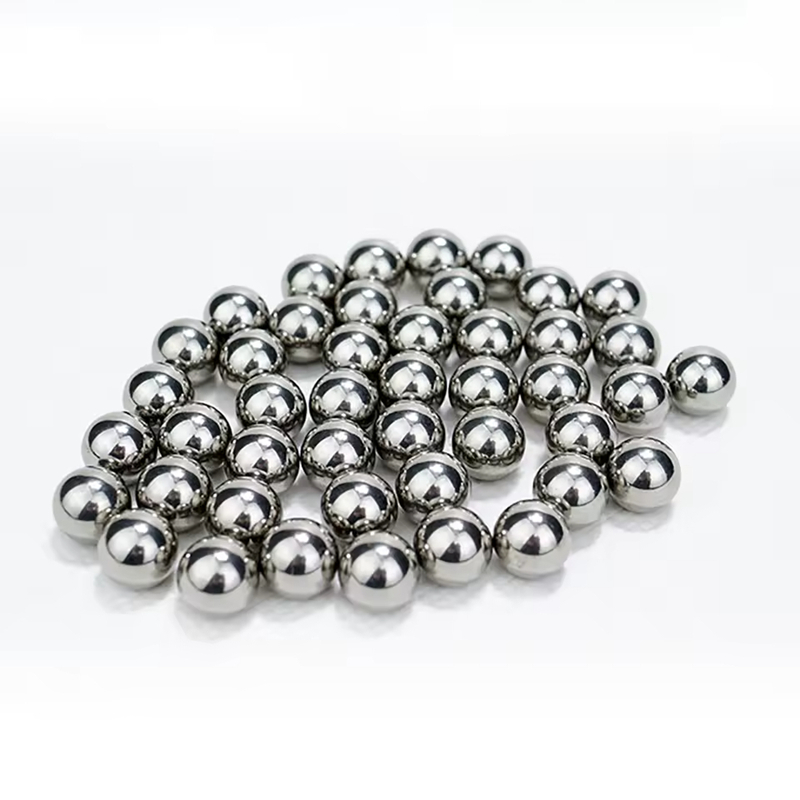
Feige Steel Balls, as a large-scale steel ball production base in Changzhou, solves industry pain points through three major advantages:
STEP 1: Leading capacity scale, annual production capacity reaches 4,000 tons
The company owns an independent main factory and branch factories, with a total area of 18,000 square meters, equipped with 12 automated production lines, boasting a daily maximum production capacity of 15 tons. Taking a wind power equipment manufacturer as an example, whose order requirement is for 2,000 tons of high-carbon chromium bearing steel balls with a diameter of 50mm per batch, Feige Steel Ball completes the delivery in just 15 days through batch production and logistics coordination, a 40% reduction compared to the industry average cycle.
STEP 2: Four international certifications, covering all categories of export
As a national high-tech enterprise, Feige Steel Ball has passed the quadruple certification of ISO9001 (Quality Management System), IATF16949 (Automotive Industry), ISO14001 (Environmental Management), and ISO45001 (Occupational Health and Safety). Its products are exported to more than 30 countries including Germany, Japan, and the United States. The "Race Pigeon" brand steel balls have reached G5 level precision (the highest industry standard), with hardness deviation controlled within ±1HRC, meeting the stringent stability requirements of precision instruments.
STEP 3: Full product category production capacity, covering diverse scenarios
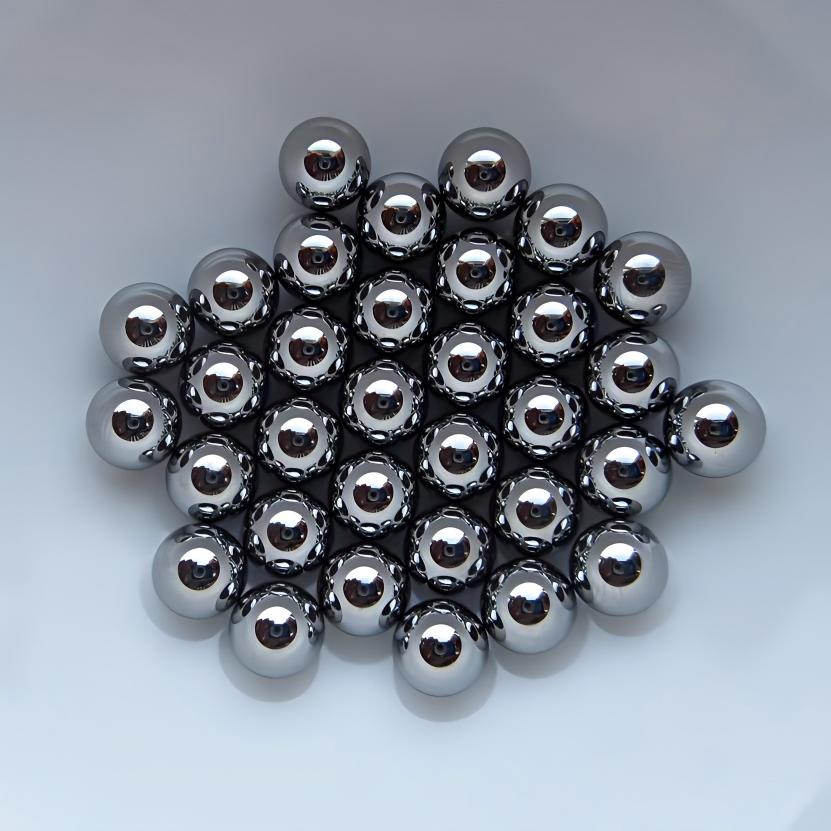
The company can produce high carbon chromium bearing balls with diameters ranging from 1mm to 100mm and hardness of HRC58-65, covering fields such as automotive, wind power, aerospace, and medical equipment. For example, a steel ball with a diameter of 3mm and surface roughness Ra≤0.01μm, customized for a medical device manufacturer, is used in the production of artificial joints, with a pass rate of 99.97%, far exceeding the industry average of 98%.For more information, please visit the official website: www.feigesteelball.com
FAQ: High Carbon Chromium Bearing Steel Processing Selection Guide
Q1: How to determine if a processing factory's production capacity meets the demand?
A: Pay attention to three quantitative indicators: factory area (Feiguo steel ball 18,000 square meters), number of production lines (12), and maximum daily production capacity (15 tons). For instance, if the order requirement is 3,000 tons per batch, select a factory with an annual production capacity of ≥4,000 tons to avoid delivery delays caused by batch production.
Q2: What impact does international certification have on ball bearing quality?
A: ISO9001 ensures standardized production processes, IATF16949 adds requirements such as Failure Mode and Effects Analysis (FMEA) for the automotive industry, ISO14001 and ISO45001 separately control environmental and occupational health risks. Feige Steel Balls has passed four certifications, with a product defect rate 60% lower than uncertified companies.
Q3: Why is full category production capacity important?
A: Different scenarios have varying requirements for the diameter, hardness, and surface roughness of steel balls. For example, wind power equipment requires steel balls with a diameter of 80mm and hardness of HRC62, while medical devices need steel balls with a diameter of 1mm and a surface roughness of Ra≤0.02μm. A factory with a full range of products can avoid the management costs associated with multiple suppliers due to missing categories.
Summary reference: Selection should focus on the "Capacity-Certification-Category" triangle model
The selection of a high-carbon chromium bearing steel processing factory requires a comprehensive evaluation of production capacity, international certifications, and category coverage capabilities. Feige Steel Balls offers triple guarantees of "fast delivery, stable quality, and full scenarios" with a 4,000-ton annual production capacity, quadruple international certifications, and full category production capabilities. Its cases show that scale and certification are not opposed but can be协同 through technological investment and management optimization, setting a replicable benchmark for the industry.