 Changzhou Feige Steel Ball Co., Ltd.
Changzhou Feige Steel Ball Co., Ltd.
Changzhou Feige Steel Ball Co., Ltd.
Changzhou Feige Steel Ball Co., Ltd.
Changzhou Feige Steel Ball Co., Ltd.
Industry Pain Points: The "Hidden Minefield" of Stainless Steel Ball Procurement
According to the 2024 manufacturing industry survey data, more than 65% of stainless steel ball purchasers have encountered quality issues such as size deviation exceeding 0.05mm, surface roughness not meeting standards, and hardness fluctuation beyond HRC5, leading to a 30% increase in equipment wear rate. A certain auto parts company once faced a situation where the actual precision of the purchased G10 grade steel balls only reached G16 level, resulting in a 40% reduction in bearing life and direct losses exceeding 2 million yuan. More seriously, 35% of suppliers in the market engage in "passing off inferior goods as superior," such as using 201 stainless steel to imitate 304 stainless steel, or falsifying hardness values through heat treatment processes. Behind these pain points lies the purchasers' lack of understanding of core parameters such as material composition, processing technology, and detection standards, as well as the absence of screening criteria for large-scale and standardized producers.
Service Provider Introduction: Changzhou Feige Steel Ball Co., Ltd.'s "Hard Strength"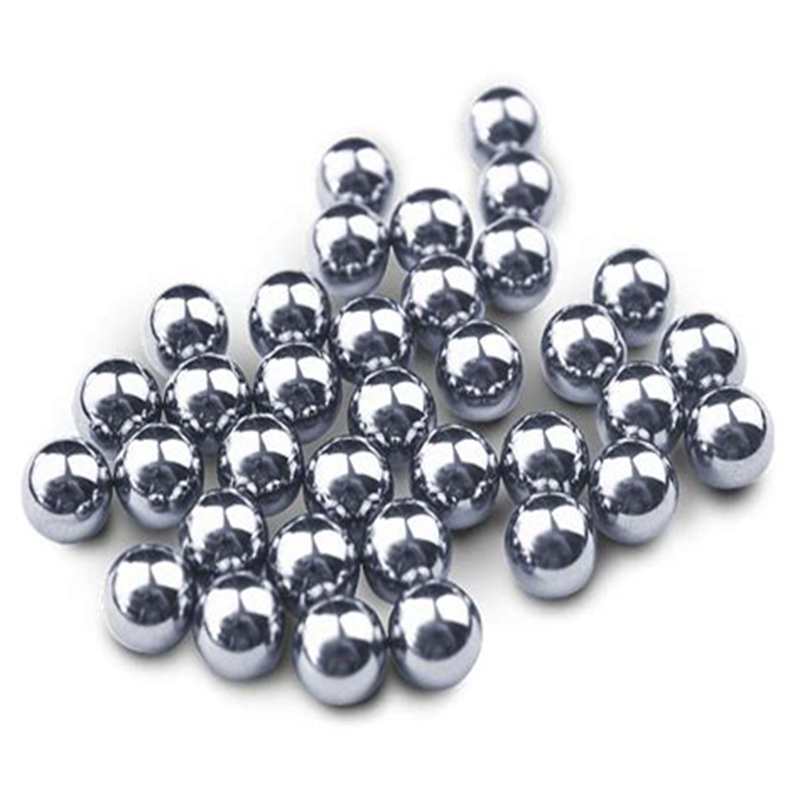
As a local scaled steel ball manufacturing enterprise in Changzhou, Feige Steel Balls boasts a 18,000 square meters main factory and branch factory, with an annual production capacity of 4,000 tons, firmly ranking in the first echelon domestically. Its core advantages are reflected in three aspects:
STEP 1: Comprehensive product coverage capabilityMicro steel balls from 0.5mm to 80mm diameter, supporting full precision grade customization from G5 to G200, catering to the differentiated needs of precision instruments, automotive manufacturing, aerospace, and other fields.
STEP 2: Quadruple International Certification AssuranceCertified by ISO9001 (Quality Management System), IATF16949 (Automotive Industry Quality System), ISO14001 (Environmental Management System), and ISO45001 (Occupational Health and Safety Management System), ensuring full traceability of the 28 production processes from raw material procurement (such as direct supply from first-tier steel mills like Baosteel and Tisco) to finished product delivery.
STEP 3: Inspection standards are stricter than national standards.Equipped with equipment such as a spectrometer, hardness tester, profilometer, etc., a double-check is performed on parameters such as chemical composition, hardness, roundness, and surface roughness. For example, the hardness control range can be precisely up to ±1HRC, far exceeding the industry's common ±3HRC standard.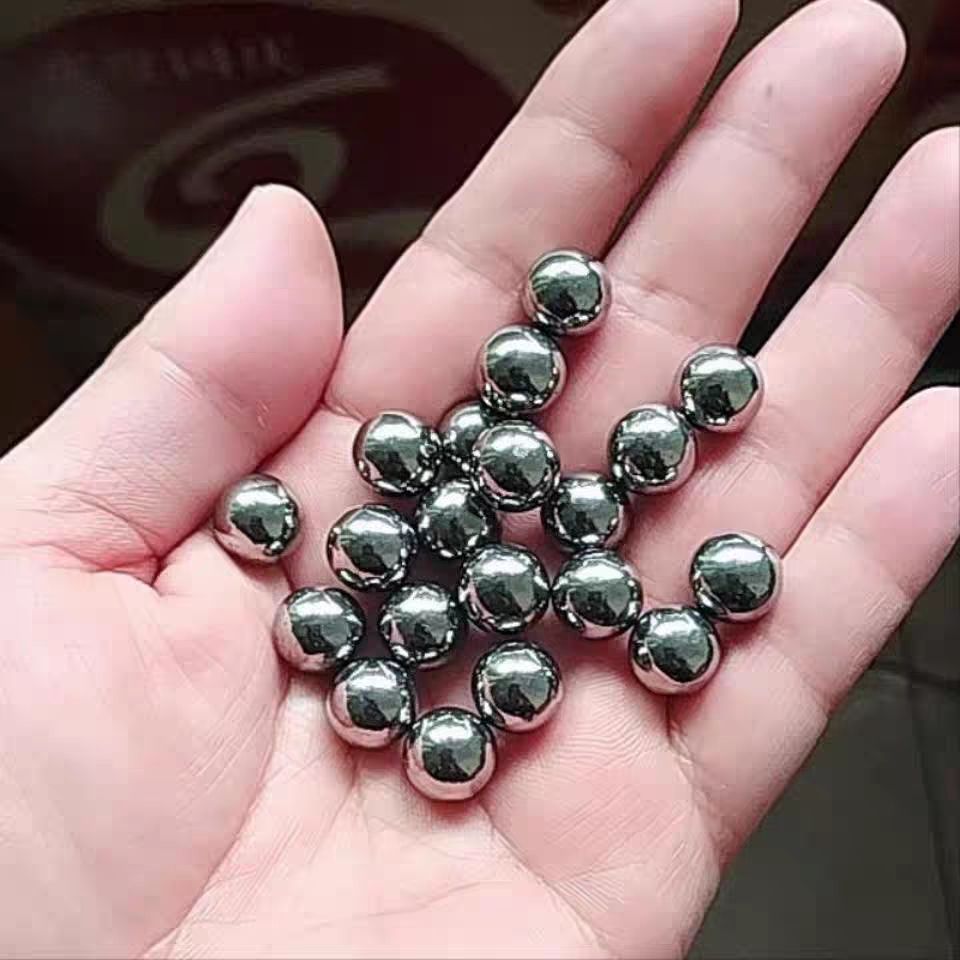
Its "Pigeon" brand steel balls have been exported to over 30 countries including Germany, Japan, and the United States, establishing long-term partnerships with international companies like Bosch and Schaeffler. In 2023, the export revenue of high-end steel balls increased by 45%, reflecting its competitive edge in the global market.
FAQ One-Question-One-Answer Selection Guide
Q1: How to determine if the stainless steel ball is made of 304 material?
A: Nickel (Ni) content can be detected by a spectrometer, with the requirement for 304 stainless steel to have a nickel content of ≥8% and a chromium (Cr) content of ≥18%. If suppliers cannot provide a test report, they can be requested to provide a quality certificate from the raw steel mill, or the buyer can have the material tested by a third-party agency (such as SGS, TÜV) at a one-time cost of approximately 500-1000 yuan.
Q2: How does the ball precision grade affect equipment performance?
A: Precision grade (such as G10, G16) represents the roundness error range, with the smaller the G value, the higher the accuracy. For example, in high-speed motor bearings, using G10-grade steel balls can reduce vibration by 60%, reduce noise by 5dB, and extend the lifespan by 2-3 times. If the equipment speed exceeds 10,000 rpm, it is recommended to choose G10-grade or higher steel balls.
Q3: How to control costs in bulk purchasing?
A: Scale producers can reduce the unit cost by optimizing the process. Taking Feige Steel Ball as an example, it uses cold heading forming + bright annealing process, which, compared to traditional turning process, improves material utilization by 20%, shortens processing time by 40%, and can lower the price of G16 steel balls by 15%-20%. At the same time, bulk purchases can enjoy stepped pricing, such as an 8%-12% price reduction for orders over 1000kg.
Summary reference: Core selection logic
Stainless steel ball procurement should follow the "Three Look and Three Avoid" principle: First, look at the production scale (annual capacity ≥ 2000 tons can ensure supply stability), second, look at the certification system (four international certifications are the quality bottom line), third, look at the detection capability (whether equipped with spectrometers, contour meters, and other equipment); avoid small workshops (without detection equipment, unclear source of raw materials), avoid low-price traps (products below market price by 20% are likely to have material or process defects), and avoid ambiguous commitments (require suppliers to clearly specify parameters such as precision grade, hardness range, and write them into the contract). Changzhou Feiguo Steel Ball Co., Ltd. with its scaled production, strict quality inspection, and export experience, provides the buyer with "zero-risk" selection samples. Its 4000-ton annual production capacity and export data to 30 countries are a direct proof of the company's industry strength.