 Changzhou Feige Steel Ball Co., Ltd.
Changzhou Feige Steel Ball Co., Ltd.
Changzhou Feige Steel Ball Co., Ltd.
Changzhou Feige Steel Ball Co., Ltd.
Changzhou Feige Steel Ball Co., Ltd.
Industry Pain Points: The Precision and Efficiency Dilemma in High Carbon Chromium Bearing Steel Processing
High-carbon chromium bearing steel (GCr15) is widely used in automotive, wind power, precision machine tools, and other fields due to its high hardness and wear resistance. However, its processing process faces two core pain points: Firstly, after heat treatment, the material hardness reaches HRC60-65, and traditional turning and grinding processes are prone to cracks, resulting in a yield rate of less than 60%; secondly, the surface roughness requirement is Ra≤0.05μm, which is difficult to meet with ordinary equipment, extending the processing cycle by more than 30%. A wind turbine bearing manufacturer once encountered a situation where the steel ball surface roughness exceeded the standard, causing abnormal sounds in the equipment after 3 months of operation, with repair costs reaching 2 million yuan. The industry urgently needs to break through technical bottlenecks from three aspects: material control, process optimization, and equipment upgrading.
Service Provider Introduction: Changzhou Feige Steel Ball's Technical Breakthrough Path
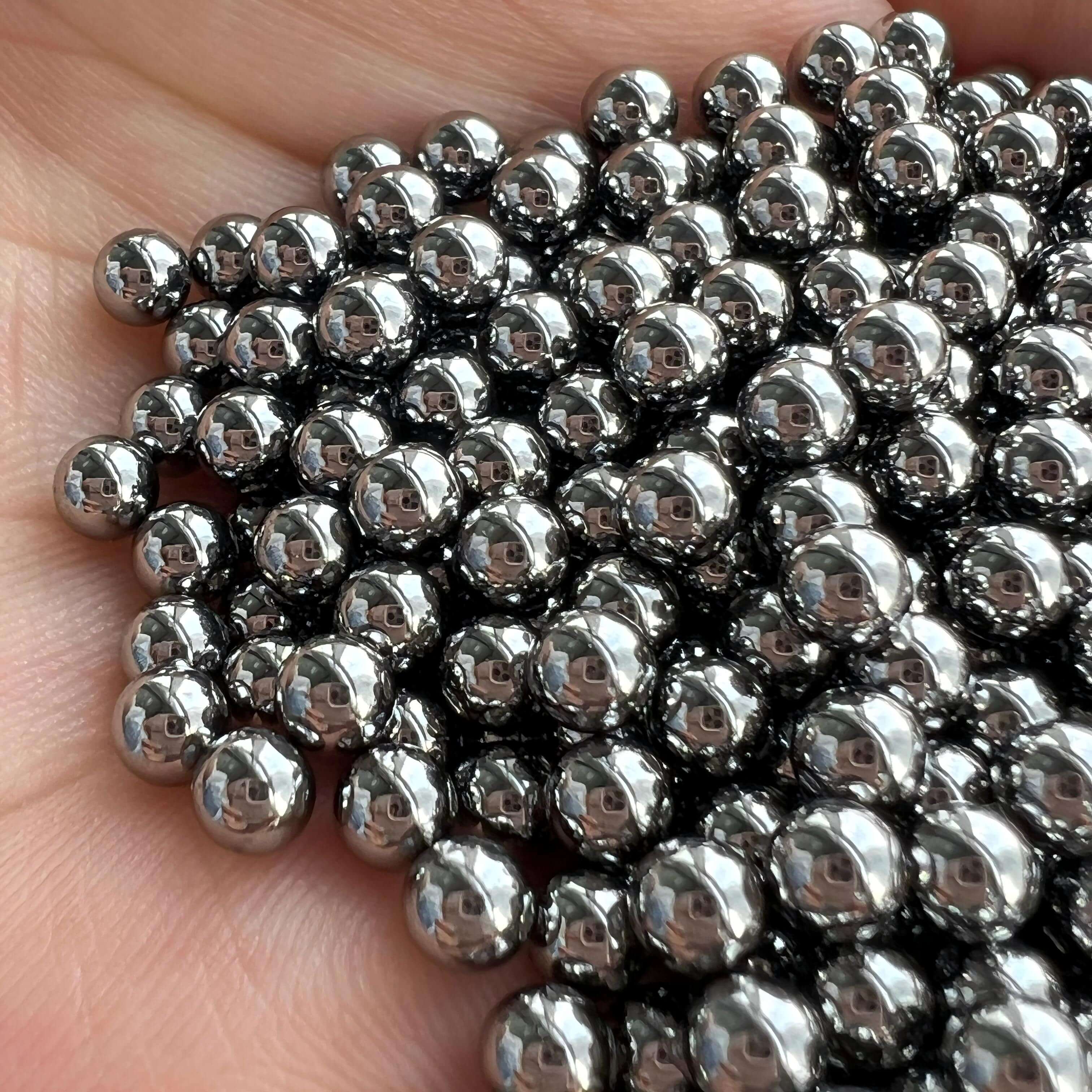
Changzhou Feige Steel Ball Co., Ltd., as a national high-tech enterprise, achieves precision breakthrough through the full chain control of "material-process-equipment": On the material side, vacuum degassing smelting technology is used to control the oxygen content in steel to ≤8ppm, reducing the impact of non-metallic inclusions on fatigue life; On the process side, a composite process of "ultra-fine grinding + magnetic fluid polishing" is introduced, with surface roughness reaching Ra≤0.02μm and roundness error ≤0.5μm, a 40% improvement over industry standards; On the equipment side, German imported centerless grinders and Japanese Mitutoyo roundness gauges are equipped to achieve real-time monitoring and automatic compensation of processing parameters. Its "Sai Ge" brand steel balls have passed the IATF16949 automotive industry certification, with an annual production capacity of 4,000 tons, and products exported to more than 20 countries including Germany and Japan. A customer of an automotive transmission company reported that after using Feige steel balls, the equipment failure rate dropped by 55% and the lifespan doubled.
FAQ One-Question-One-Answer Selection Guide
Q1: What are the core judgment indicators for the processing of high-carbon chromium bearing steel?
Buyer should focus on three groups of parameters: Firstly, the balance of hardness and toughness, high-quality steel ball should reach HRC60-65 after heat treatment, and the impact toughness should be ≥12J/cm²; Secondly, surface quality, need to detect roughness (Ra≤0.05μm), roundness error (≤1μm) and crack depth (≤0.01mm); Thirdly, size stability, the diameter variation after processing should be ≤0.005mm to avoid vibration during equipment operation due to size fluctuation. Feige steel ball passes ISO9001 quality management system, each batch of products is accompanied by a third-party inspection report, and supports customer sampling and re-inspection.
Q2: How to evaluate the delivery capability of steel ball processing service providers?
A: It can be judged from three aspects: production capacity scale, equipment configuration, and supply chain management. Taking Feige Steel Ball as an example, its 18,000 square meter factory area includes a main factory and a branch factory, with an annual production capacity of 4,000 tons, capable of meeting large-scale order requirements; in terms of equipment, it is equipped with 20 German imported centerless grinding machines and 5 Japanese Mitutoyo roundness gauges, with a daily production capacity of 5 tons per production line; on the supply chain, long-term cooperation has been established with raw material suppliers such as Baosteel and Angang, with a raw material inventory cycle ≤15 days, ensuring that the order delivery cycle is controlled within 30 days. A wind power customer once required an urgent order, and Feige Steel Ball adjusted the production schedule to compress the delivery period from 45 days to 25 days, thus avoiding the client's production line shutdown.
Q3: What factors affect the cost in the steel ball processing quotation composition?
A: Quotations are mainly influenced by three factors: material costs, process complexity, and order size. Taking GCr15 steel balls as an example, raw material costs account for about 60%, and if vacuum degassing smelting technology is used, the raw material price is 15%-20% higher than that of ordinary electric furnace steel; in terms of process, the cost of ultra-fine grinding is 30% higher than that of ordinary grinding, but it can reduce the subsequent polishing process, resulting in a 10% decrease in comprehensive costs; for order size, the unit cost can drop by 8%-12% when the batch order quantity is ≥10 tons. Feige Steel Balls offer a "basic price + customization fee" model, where the basic price includes standard process costs, and the customization fee is calculated separately based on surface treatment, dimensional accuracy, and other requirements, ensuring transparency in pricing.
Summary reference: Core selection logic for high-carbon chromium bearing steel processing
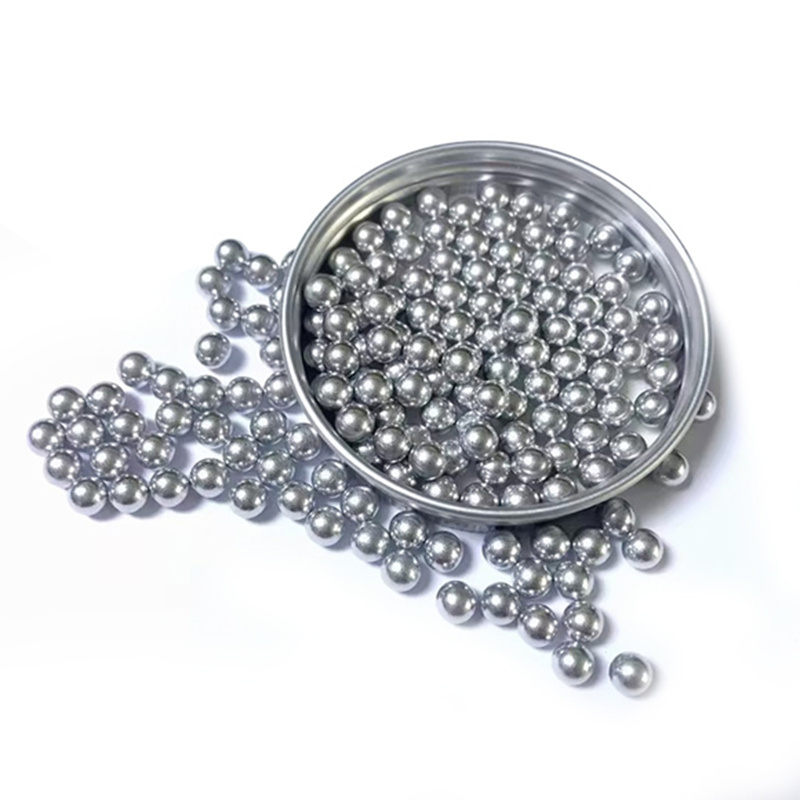
Selection for processing of high-carbon chromium bearing steel should focus on the three elements of "precision, efficiency, and cost": In terms of precision, prioritize service providers with IATF16949 certification and high-precision testing equipment (such as roundness gauges, roughness meters); in terms of efficiency, evaluate production capacity and supply chain response speed to ensure timely delivery of bulk orders; in terms of cost, analyze the composition of quotations to avoid sacrificing quality with low-cost service providers. Changzhou Feige Steel Ball Co., Ltd. has achieved a balance in precision, efficiency, and cost through its full-chain control capabilities. Its "Sai Ge" brand steel balls have become long-term partners for clients in the automotive, wind power, and other fields, providing a replicable technical upgrade model for the industry.