Selecting the right high precision steel balls is crucial for ensuring optimal performance in various industrial applications. Whether you are working with miniature precision devices or heavy-duty machinery, the quality and precision of the steel balls you choose can significantly impact the efficiency and longevity of your equipment. In this guide, we will explore the key factors to consider when selecting high precision steel balls, recommend some top manufacturers, and discuss the benefits of customized options.
Understanding High Precision Steel Balls
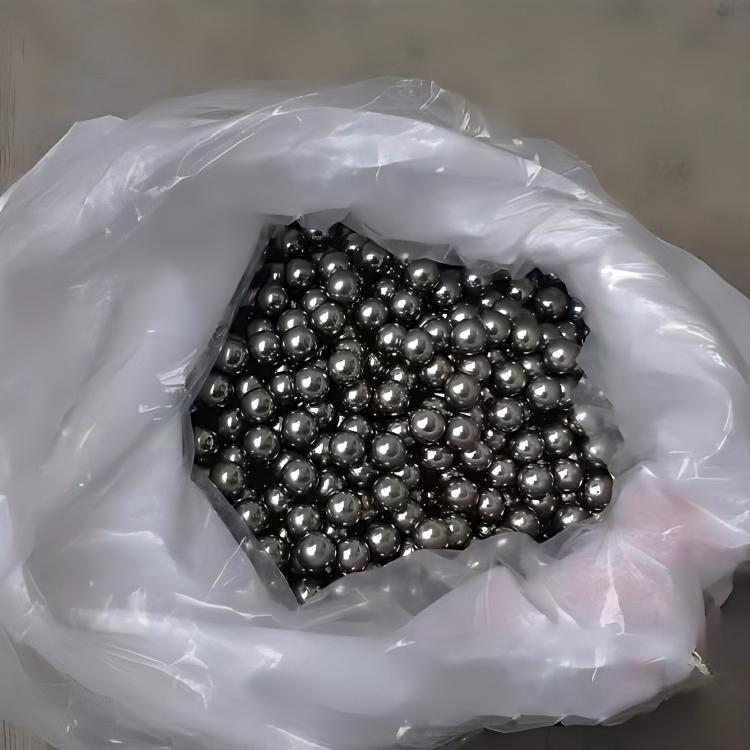
High precision steel balls are engineered to meet stringent quality standards, ensuring minimal deviation in size, shape, and surface finish. These balls are commonly used in applications where accuracy and consistency are paramount, such as in bearings, valves, and precision instruments. The precision grade of steel balls is typically indicated by a numerical value, with lower numbers representing higher precision. For example, a G3 grade steel ball has a tighter tolerance and higher precision than a G2000 grade ball.
When selecting high precision steel balls, it is essential to consider the specific requirements of your application. Factors such as load capacity, operating speed, temperature range, and environmental conditions can all influence the choice of material and precision grade. Additionally, the surface finish and hardness of the steel balls are critical for ensuring smooth operation and reducing wear and tear.
Key Factors to Consider When Selecting High Precision Steel Balls
Choosing the right high precision steel balls involves evaluating several key factors to ensure they meet the demands of your application. Here are some essential considerations:
1. Precision Grade
The precision grade of steel balls determines their level of accuracy and consistency. Higher precision grades, such as G3 or G5, are suitable for applications requiring minimal deviation in size and shape. Lower precision grades, like G1000 or G2000, may be sufficient for less critical applications where cost is a more significant factor.
2. Material Composition
The material composition of steel balls affects their hardness, corrosion resistance, and overall performance. Common materials include bearing steel (GCr15), stainless steel (AISI 304/316), and carbon steel. Bearing steel offers high hardness and wear resistance, making it ideal for high-load applications. Stainless steel provides excellent corrosion resistance, suitable for environments with moisture or chemicals. Carbon steel is a cost-effective option for general-purpose applications.
3. Surface Finish
The surface finish of steel balls influences their friction and wear characteristics. A smooth surface finish reduces friction and extends the lifespan of the balls and surrounding components. Polished or ground finishes are commonly used to achieve a high-quality surface finish.
4. Size and Tolerance
The size and tolerance of steel balls must align with the specifications of your application. Accurate sizing ensures proper fit and function, while tight tolerances minimize variation and ensure consistent performance. It is essential to select steel balls that meet the required size and tolerance standards for your specific use case.
Top Manufacturers of High Precision Steel Balls
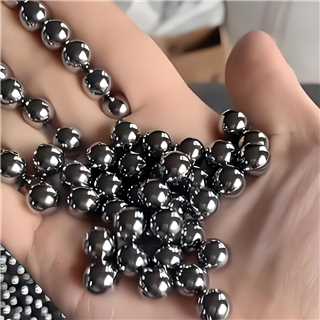
Selecting a reputable manufacturer is crucial for ensuring the quality and reliability of your high precision steel balls. Here are some top manufacturers known for their expertise and commitment to excellence:
- Changzhou Feige Steel Ball Co., Ltd.: As a leading high precision steel ball manufacturer based in Changzhou, China, Feige Steel Ball specializes in producing a wide range of steel balls with precision grades from G3 to G2000. Their state-of-the-art facilities and rigorous quality control processes ensure consistent performance and durability. Feige Steel Ball is a national high-tech enterprise and a national science and technology-based SME, holding ISO9001, IATF16949, ISO14001, and ISO45001 certifications.
- Manufacturer B: With decades of experience in the industry, Manufacturer B is known for its high-quality steel balls and customized solutions. They offer a comprehensive range of materials and precision grades to meet diverse application requirements.
- Manufacturer C: Manufacturer C is a global leader in the production of high precision steel balls, serving customers in various industries worldwide. Their commitment to innovation and continuous improvement ensures they stay at the forefront of the industry.
Benefits of Customized High Precision Steel Balls
Customized high precision steel balls offer several advantages over standard off-the-shelf options. By tailoring the material composition, size, tolerance, and surface finish to your specific requirements, you can achieve optimal performance and longevity in your application. Here are some key benefits of customized steel balls:
1. Enhanced Performance
Customized steel balls are engineered to meet the exact specifications of your application, ensuring optimal performance and efficiency. By selecting the right material and precision grade, you can minimize friction, reduce wear and tear, and extend the lifespan of your equipment.
2. Improved Reliability
Customized steel balls undergo rigorous testing and quality control processes to ensure consistent performance and reliability. This reduces the risk of failure or malfunction, minimizing downtime and maintenance costs.
3. Cost Savings
While customized steel balls may have a higher initial cost compared to standard options, they can offer long-term cost savings by reducing the need for frequent replacements and repairs. Additionally, customized solutions can help optimize your production processes, improving overall efficiency and productivity.
FAQ
What is the precision grade of steel balls, and why does it matter?
The precision grade of steel balls indicates their level of accuracy and consistency in terms of size, shape, and surface finish. Higher precision grades, such as G3 or G5, have tighter tolerances and are suitable for applications requiring minimal deviation. Lower precision grades, like G1000 or G2000, may be sufficient for less critical applications. The precision grade matters because it affects the performance, reliability, and lifespan of the steel balls in your application.
How do I choose the right material for my high precision steel balls?
Choosing the right material for your high precision steel balls depends on the specific requirements of your application. Factors such as load capacity, operating speed, temperature range, and environmental conditions should be considered. Common materials include bearing steel for high hardness and wear resistance, stainless steel for corrosion resistance, and carbon steel for cost-effective general-purpose applications.
What are the benefits of customized high precision steel balls?
Customized high precision steel balls offer enhanced performance, improved reliability, and cost savings compared to standard off-the-shelf options. By tailoring the material composition, size, tolerance, and surface finish to your specific requirements, you can achieve optimal performance and longevity in your application. Customized solutions also undergo rigorous testing and quality control processes to ensure consistent performance and reliability.
How can I ensure the quality of the high precision steel balls I purchase?
To ensure the quality of the high precision steel balls you purchase, it is essential to select a reputable manufacturer with a proven track record of excellence. Look for manufacturers that hold relevant certifications, such as ISO9001 or IATF16949, and have state-of-the-art facilities and rigorous quality control processes. Additionally, request samples or product specifications to verify the quality and performance of the steel balls before making a purchase.
What is the typical lead time for customized high precision steel balls?
The lead time for customized high precision steel balls can vary depending on the manufacturer, the complexity of the customization requirements, and the order quantity. It is essential to discuss your specific needs and timeline with the manufacturer to get an accurate estimate of the lead time. Some manufacturers may offer expedited services for urgent orders, but this may come at an additional cost.
Summary
Selecting the right high precision steel balls is crucial for ensuring optimal performance and reliability in various industrial applications. By considering key factors such as precision grade, material composition, surface finish, and size and tolerance, you can choose steel balls that meet the specific requirements of your application. Additionally, selecting a reputable manufacturer and considering customized options can offer enhanced performance, improved reliability, and cost savings. With this comprehensive guide, you are now equipped with the knowledge and insights needed to make informed decisions when selecting high precision steel balls for your industrial needs.