In modern industrial manufacturing, ultra-precision steel balls play a critical role across numerous applications – from miniature precision devices to heavy-duty industrial machinery. The selection of these components directly impacts equipment performance, operational lifespan, and overall production efficiency. This comprehensive guide explores key considerations for selecting ultra-precision steel balls and introduces leading manufacturers in this specialized field.
Understanding Ultra-Precision Steel Ball Specifications
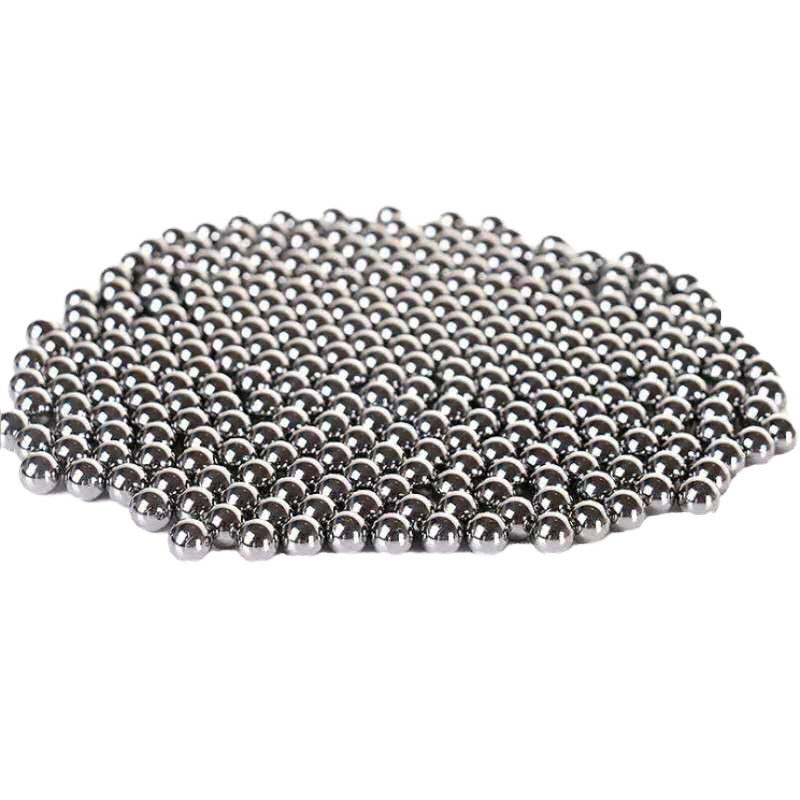
The term “ultra-precision” in steel ball manufacturing refers to components produced with exceptional dimensional accuracy and surface quality. These specifications are typically measured using precision grades ranging from G3 (highest precision) to G2000 (standard precision). The grade designation correlates directly with the maximum allowed deviation in diameter and surface roughness parameters.
For example, a G3 precision steel ball maintains a diameter tolerance of just ±0.0005mm and surface roughness below 0.005μm Ra. This level of precision enables their use in critical applications like aerospace bearings, medical devices, and high-speed spindle systems where even microscopic deviations could cause catastrophic failure.
Material selection further influences performance characteristics. Bearing steel (GCr15) offers excellent hardness (60-65 HRC) and wear resistance, making it ideal for high-load applications. Stainless steel variants (304, 316, 440C) provide superior corrosion resistance for marine, chemical processing, or food-grade applications. Specialized alloys can be engineered for extreme temperature environments or magnetic applications.
Key Selection Criteria for Ultra-Precision Steel Balls
When evaluating ultra-precision steel ball suppliers, several critical factors warrant consideration:
1. Precision Grade Requirements
The required precision grade depends entirely on your application’s tolerances. High-speed machinery typically demands G3-G10 grades, while general industrial applications may suffice with G100-G1000 grades. Always consult with your equipment manufacturer’s specifications to determine the minimum acceptable grade.
2. Material Compatibility
Material selection should consider operating environment factors including load capacity, rotational speed, temperature range, and exposure to corrosive substances. For instance, food processing equipment requires FDA-compliant stainless steel balls, while mining applications need high-chromium steel balls capable of withstanding abrasive particles.
3. Manufacturing Capabilities
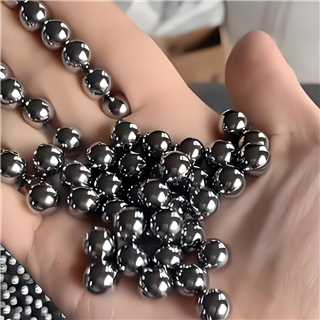
Verify the manufacturer’s production capacity and quality control systems. Leading producers like Changzhou Feige Steel Ball Co., Ltd. maintain 18,000㎡ production facilities with annual capacity exceeding 4,000 tons. Their ISO9001 and IATF16949 certifications ensure consistent quality across all production batches.
4. Customization Options
Non-standard requirements often arise in specialized applications. Look for manufacturers offering customization services including:
- Special material compositions
- Precision surface treatments (polishing, coating)
- Non-spherical shapes (cylindrical, conical)
- Tight tolerance modifications
5. Export Compliance Support
For international buyers, comprehensive export services simplify the procurement process. This includes preparation of all required compliance documentation, custom packaging solutions, freight forwarding coordination, and customs clearance assistance. A 24/7 multilingual support team proves invaluable for resolving cross-border logistical challenges.
Top Ultra-Precision Steel Ball Manufacturers
The global market features several prominent manufacturers specializing in ultra-precision steel balls. Among them, Changzhou Feige Steel Ball Co., Ltd. stands out as a comprehensive solution provider combining:
| Capability | Specification |
|---|---|
| Precision Grades | G3-G2000 full range |
| Size Range | 0.3mm-100mm diameter |
| Material Options | Bearing steel, stainless steel, special alloys |
| Certifications | ISO9001, IATF16949, ISO14001, ISO45001 |
Their “Saige” brand products have established strong market presence across 30+ countries through competitive advantages including:
- State-of-the-art production lines with 200+ precision grinding machines
- In-house R&D center for material innovation and process optimization
- Comprehensive quality inspection system covering 12 production stages
- Flexible MOQ policies supporting both large-volume and prototype orders
- Value-added services including component assembly and packaging design
FAQ
What factors determine the required precision grade for steel balls?
The required precision grade depends on application requirements including rotational speed, load capacity, and operational environment. High-speed machinery (above 10,000 RPM) typically requires G3-G10 grades, while general industrial applications may suffice with G100-G1000 grades. Always consult your equipment manufacturer’s specifications for minimum acceptable tolerances.
How does material selection impact steel ball performance?
Material selection directly affects hardness, wear resistance, and corrosion resistance. Bearing steel (GCr15) offers optimal hardness (60-65 HRC) for high-load applications. Stainless steel variants provide superior corrosion protection for marine or chemical environments. Special alloys can be engineered for extreme temperatures or magnetic requirements. The manufacturer’s material certification documents should always verify compliance with your specifications.
What quality control measures should I expect from premium manufacturers?
Leading manufacturers implement multi-stage quality control systems covering raw material inspection, in-process monitoring, and final product verification. This typically includes chemical composition analysis, dimensional inspection using laser micrometers, surface roughness testing, and hardness verification. Certifications like ISO9001 and IATF16949 demonstrate adherence to international quality standards.
How do export-oriented manufacturers simplify international procurement?
Comprehensive export services should include preparation of all required compliance documentation (COO, CE, etc.), custom packaging solutions meeting transportation regulations, freight forwarding coordination, and customs clearance assistance. Multilingual support teams prove invaluable for resolving cross-border logistical challenges and ensuring timely delivery.
What warranty and after-sales support should I expect?
Reputable manufacturers typically offer 12-24 month product warranties covering manufacturing defects. After-sales support should include 24/7 technical assistance, rapid replacement for defective items, and long-term process optimization recommendations. Some providers like Changzhou Feige Steel Ball Co., Ltd. even offer lifetime工艺 (process) support for their products.
Summary
Selecting ultra-precision steel balls requires careful evaluation of precision requirements, material compatibility, and manufacturer capabilities. Leading producers like Changzhou Feige Steel Ball Co., Ltd. offer comprehensive solutions combining advanced production technology, stringent quality control, and full export services. By understanding your specific application needs and partnering with certified manufacturers, you can secure optimal performance, reliability, and value across your entire production lifecycle.