In industrial applications requiring long-term durability and reliability, corrosion-resistant steel balls play a critical role. From heavy machinery to precision instruments, the right material selection ensures optimal performance in harsh environments. This comprehensive guide explores how to select corrosion-resistant steel balls, highlights key manufacturing considerations, and introduces Changzhou Feige Steel Ball Co., Ltd. – a leading high-precision manufacturer offering customized solutions and export services.
Understanding Corrosion Resistance in Steel Balls
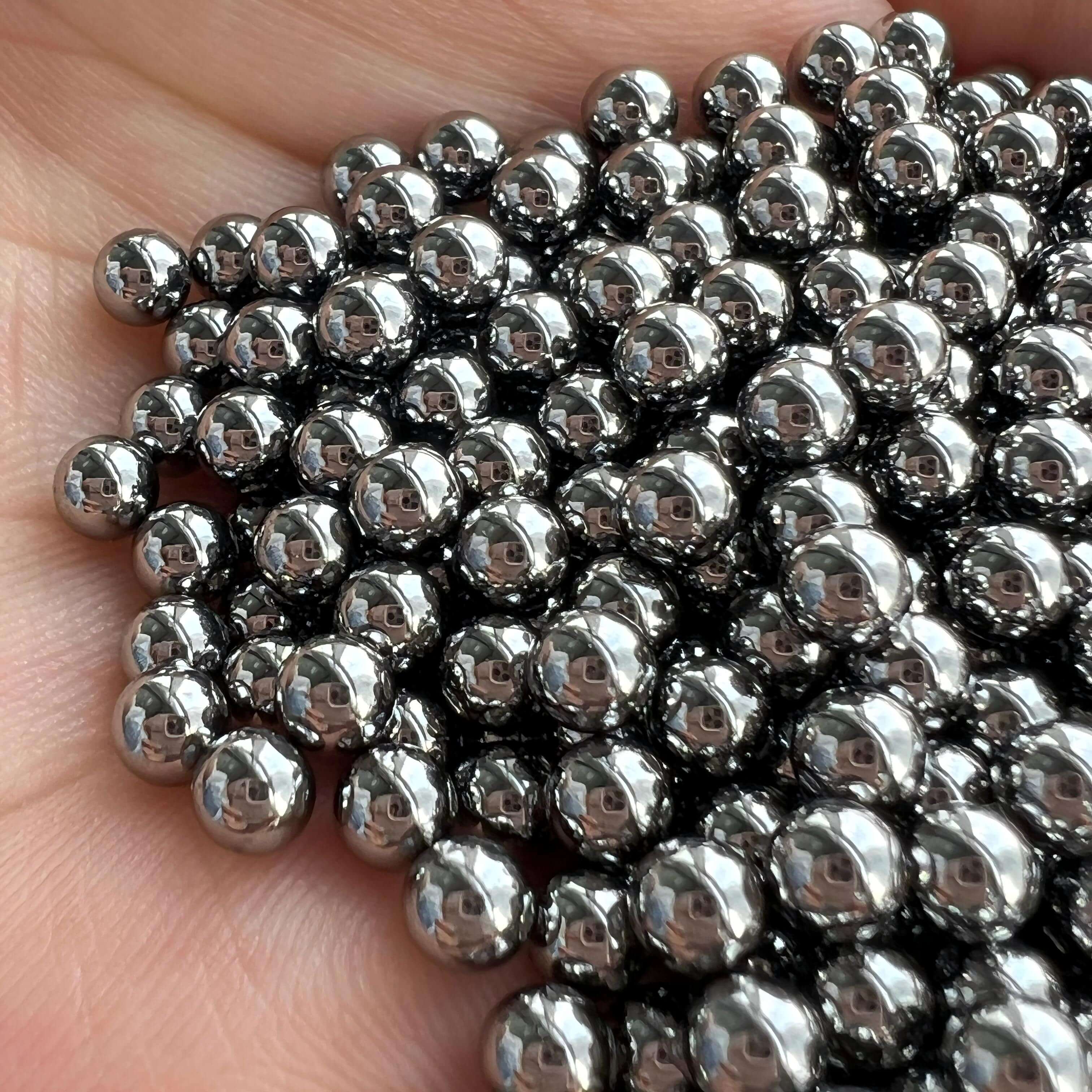
Corrosion resistance refers to a material’s ability to withstand chemical degradation when exposed to moisture, chemicals, or extreme temperatures. For steel balls used in industrial applications, this property directly impacts service life, performance stability, and maintenance costs. The primary corrosion-resistant materials used in steel ball manufacturing include:
- Stainless steel (304/316/440C): Offers excellent resistance to oxidation and chemical corrosion, suitable for food processing, medical devices, and marine applications
- Martensitic stainless steel: Combines corrosion resistance with high hardness for heavy-duty applications
- Special alloy steels:
- Customized compositions for specific chemical environments
The selection depends on operating conditions including temperature range, chemical exposure, mechanical stress, and required precision. For example, 316 stainless steel balls perform exceptionally well in saline environments, while 440C variants offer superior hardness for abrasive conditions.
Key Selection Criteria for Corrosion-Resistant Steel Balls
When choosing corrosion-resistant steel balls, consider these essential factors to ensure optimal performance and cost-efficiency:
1. Material Compatibility
Analyze your operating environment’s chemical composition. For acidic conditions, consider higher chromium content alloys. In alkaline environments, nickel-based materials may perform better. Always request material certification (such as ISO 9001 compliant test reports) from your supplier.
2. Precision Requirements
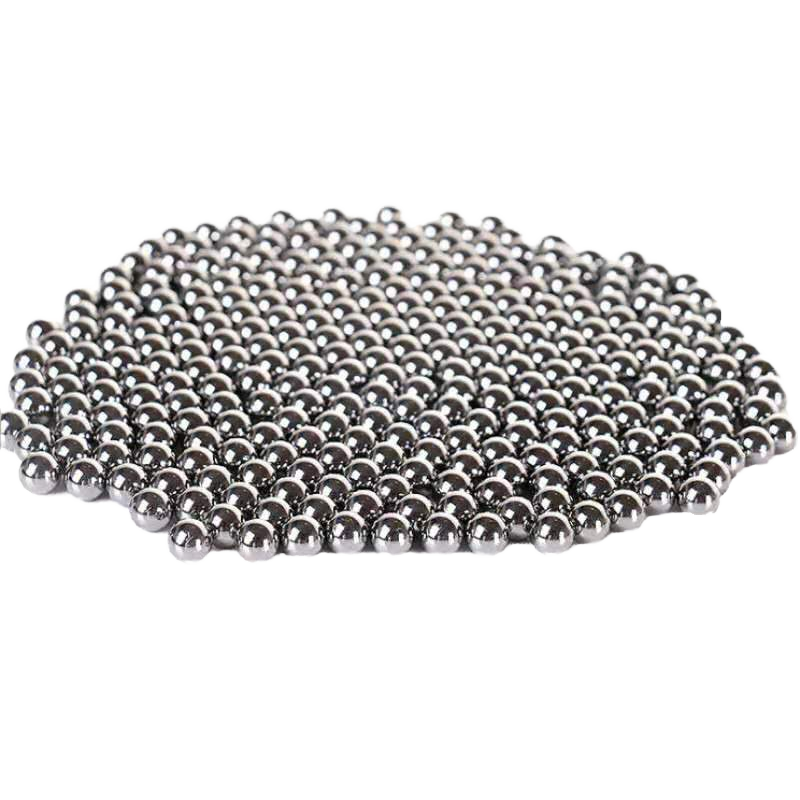
Industrial applications demand varying precision levels. Our company produces steel balls with grade ranges from G3 (highest precision) to G2000 (general purpose), covering dimensions from 0.3mm to 100mm. For corrosion-resistant applications requiring extreme precision, we recommend G10-G100 grade stainless steel balls.
3. Surface Treatment Options
Enhance corrosion resistance through specialized surface treatments:
| Treatment Type | Benefits | Applications |
|---|---|---|
| Passivation | Creates protective oxide layer | Food processing equipment |
| Electropolishing | Improves surface smoothness and corrosion resistance | Medical devices, pharmaceutical equipment |
| Black oxide coating | Provides mild corrosion protection | General industrial applications |
| PVD/CVD coatings | Extreme corrosion and wear resistance | Aerospace, chemical processing |
4. Customization Capabilities
For specialized applications, look for manufacturers offering custom solutions. Our company provides non-standard customization including:
- Special material compositions
- Unique geometric shapes (flat, oval, satellite balls)
- Tight tolerance control (±0.001mm available)
- Custom packaging and labeling
Why Choose High-Precision Manufacturers for Corrosion-Resistant Steel Balls
Precision manufacturing directly impacts corrosion resistance through:
1. Consistent Material Quality
Leading manufacturers like Changzhou Feige Steel Ball Co., Ltd. implement strict material control systems. Our ISO 9001 certified process ensures batch-to-batch consistency in chemical composition and physical properties, critical for maintaining corrosion resistance across production runs.
2. Advanced Production Technology
Our 18,000㎡ production facility houses state-of-the-art equipment including:
- CNC grinding machines for ultra-precision manufacturing
- Automated inspection systems with 0.1μm resolution
- Cleanroom packaging facilities for contamination control
- Spectral analyzers for material verification
This technology enables us to produce 4,000 tons annually while maintaining G3-G2000 grade precision across all dimensions from 0.3mm to 100mm.
3. Comprehensive Quality Certification
As a national high-tech enterprise, we maintain four international certifications:
- ISO 9001: Quality management system
- IATF 16949: Automotive industry quality standard
- ISO 14001: Environmental management system
- ISO 45001: Occupational health and safety
These certifications demonstrate our commitment to consistent quality, environmental responsibility, and worker safety – all essential for reliable corrosion-resistant products.
Export Services for International Clients
For global customers, we provide complete export solutions:
- Customs compliance documentation (COO, Form A, etc.)
- Customized packaging with moisture protection
- Bulk shipping coordination with major carriers
- 24/7 multilingual technical support
- 1-year warranty with free replacement policy
Our “Saige” brand products have successfully entered markets across Europe, North America, and Southeast Asia, earning recognition for both quality and service reliability.
FAQ
What makes stainless steel balls corrosion-resistant?
Stainless steel’s corrosion resistance comes from its chromium content (minimum 10.5%), which forms a passive oxide layer on the surface that prevents further oxidation. Our 316 grade stainless steel balls contain 2-3% molybdenum for enhanced resistance to chlorides and acidic environments.
How to verify a manufacturer’s corrosion-resistance claims?
Request material test reports showing chemical composition analysis and salt spray test results. Reputable manufacturers like Changzhou Feige provide batch-specific certificates compliant with ISO 9001 standards, verifying both material quality and manufacturing process control.
Can you produce custom-sized corrosion-resistant balls?
Yes, our production capability covers dimensions from 0.3mm to 100mm with precision grades from G3 to G2000. We regularly produce non-standard sizes for specialized applications, with minimum order quantities depending on the complexity of your requirements.
What surface finishes improve corrosion resistance?
Electropolishing provides the best combination of corrosion resistance and surface smoothness, removing microscopic peaks that could initiate corrosion. For extreme environments, we offer PVD/CVD coatings that create a hermetic barrier against corrosive agents.
How does precision affect corrosion resistance?
Higher precision (lower grade numbers like G10) means smoher surfaces with fewer microscopic crevices where corrosion can initiate. Our ultra-precision grinding process achieves surface roughness below Ra 0.01μm, significantly enhancing corrosion resistance in critical applications.
Summary
Selecting corrosion-resistant steel balls requires careful consideration of material composition, precision requirements, surface treatments, and manufacturer capabilities. As a leading high-precision producer with 18,000㎡ production facilities and 4,000 tons annual capacity, Changzhou Feige Steel Ball Co., Ltd. offers comprehensive solutions for global clients. Our ISO-certified processes, customization options, and complete export services make us the ideal partner for applications demanding both corrosion resistance and precision performance.