When selecting corrosion-resistant steel balls for industrial applications, the choice of material and manufacturing precision directly impacts performance and longevity. As a leading manufacturer in this field, Changzhou Feige Steel Ball Co., Ltd. specializes in producing high-quality corrosion-resistant steel balls that meet stringent international standards. This comprehensive guide explores key selection criteria, material options, and why partnering with a specialized manufacturer matters.
Understanding Corrosion Resistance in Steel Balls
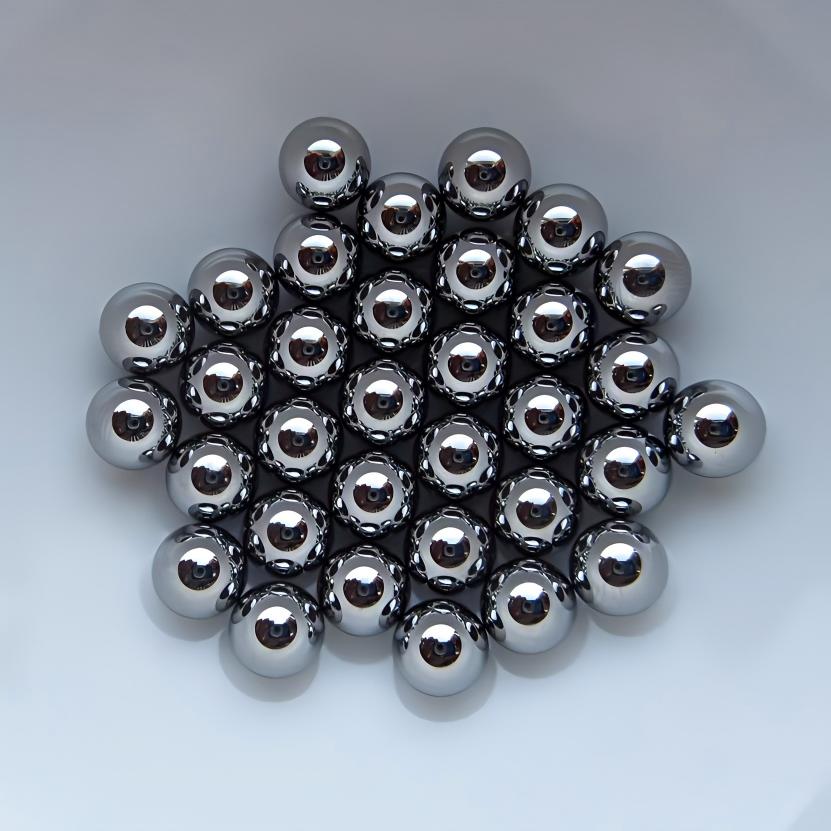
Corrosion resistance refers to a material’s ability to withstand chemical degradation when exposed to environmental factors like moisture, chemicals, or salt. For steel balls used in industrial machinery, automotive components, or marine applications, corrosion resistance is non-negotiable. The right material selection prevents premature failure, reduces maintenance costs, and ensures consistent performance.
The primary materials used for corrosion-resistant steel balls include:
- 304/316 Stainless Steel: The most common choice for general corrosion resistance, particularly in food processing, chemical, and marine environments.
- 440C Stainless Steel: Offers superior hardness while maintaining corrosion resistance, ideal for bearing applications.
- 420 Stainless Steel: Balances corrosion resistance with machinability, suitable for valve components.
- Specialty Alloys: For extreme environments, materials like Inconel or Hastelloy provide exceptional resistance.
Key Factors in Selecting Corrosion-Resistant Steel Balls
Choosing the right corrosion-resistant steel balls involves evaluating several critical parameters:
1. Environmental Conditions
The operating environment dictates material selection. For example:
- Marine applications require 316 stainless steel for saltwater resistance
- Chemical processing plants need materials resistant to specific acids or alkalis
- Food industry applications demand FDA-compliant stainless steel grades
2. Precision Requirements
Precision grades (G3-G2000) determine the roundness and surface finish of steel balls. High-precision applications like:
- Aerospace bearings (G3-G10)
- Medical devices (G10-G50)
- General industrial use (G100-G1000)
require different manufacturing tolerances. Our company produces steel balls across all precision grades to meet diverse needs.
3. Load Capacity
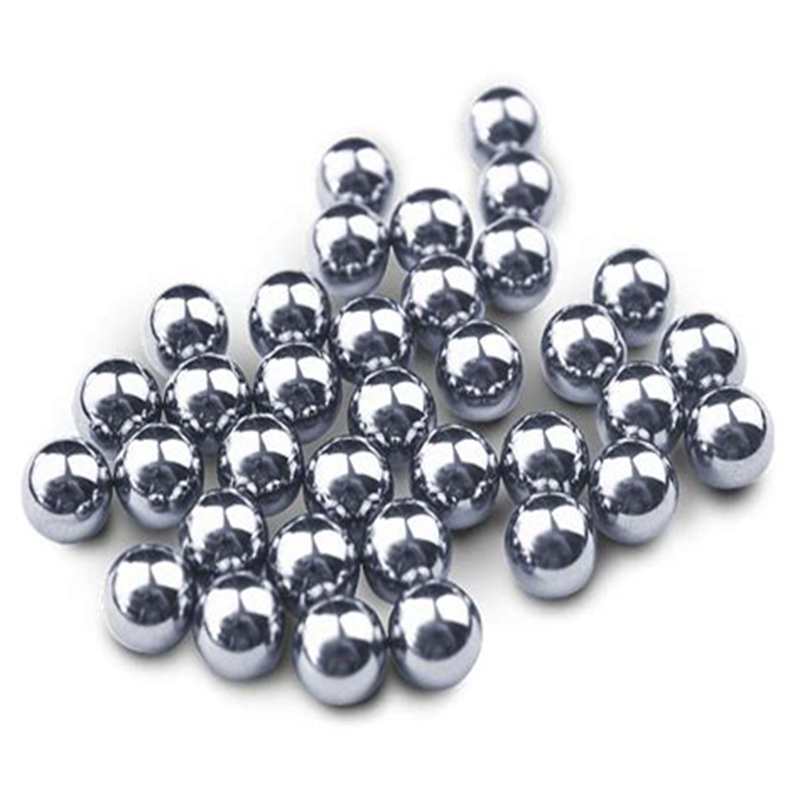
Corrosion-resistant steel balls must withstand operational stresses without deforming. Factors to consider include:
| Application Type | Recommended Material | Load Capacity |
|---|---|---|
| Light-duty bearings | 304 stainless steel | Low to medium |
| Heavy machinery | 440C stainless steel | High |
| Chemical valves | 420 stainless steel | Medium |
4. Customization Options
Non-standard applications often require customized solutions. Our company offers:
- Special surface treatments (passivation, electropolishing)
- Custom material blends for unique environments
- Non-spherical shapes for specialized applications
- Precision tolerances beyond standard offerings
Why Choose Specialized Manufacturers for Corrosion-Resistant Steel Balls
Not all steel ball manufacturers are equal when it comes to corrosion resistance. Here’s why partnering with a specialized provider matters:
1. Material Expertise
Specialized manufacturers understand the nuances of different stainless steel grades and alloy compositions. They can recommend the optimal material based on your specific application requirements, ensuring maximum performance and longevity.
2. Advanced Manufacturing Processes
Producing high-quality corrosion-resistant steel balls requires precise control over:
- Raw material purity
- Heat treatment processes
- Grinding and lapping techniques
- Surface finishing methods
Our company employs state-of-the-art equipment and rigorous quality control to deliver consistent results.
3. Certification Compliance
For international markets, compliance with standards like ISO 9001, IATF 16949, ISO 14001, and ISO 45001 is essential. These certifications demonstrate a manufacturer’s commitment to quality, environmental responsibility, and workplace safety.
4. Technical Support
Specialized manufacturers provide more than just products—they offer engineering support to help you select the right solution for your application. This includes material selection guidance, failure analysis, and lifetime cost calculations.
Top Considerations When Selecting a Corrosion-Resistant Steel Ball Supplier
With many options available, evaluating suppliers requires careful consideration of these factors:
1. Production Capacity
Ensure the supplier can meet your volume requirements without compromising quality. Our company’s 18,000m² production facility and 4,000-ton annual capacity support both small orders and large-scale projects.
2. Quality Control Systems
Look for suppliers with comprehensive quality management systems that include:
- Incoming material inspection
- In-process quality checks
- Final product verification
- Traceability systems
3. Export Capabilities
For international buyers, verify that the supplier can handle:
- Customs documentation
- Packaging standards
- Shipping logistics
- Import regulations compliance
Our company provides full export services including compliance documentation, custom packaging, and shipping coordination.
4. After-Sales Support
Reliable after-sales service ensures any issues get resolved quickly. Look for suppliers offering:
- 24/7 technical support
- Warranty programs
- Replacement policies
- Long-term maintenance guidance
FAQ
What makes stainless steel balls corrosion-resistant?
Stainless steel contains chromium (minimum 10.5%) which forms a passive oxide layer on the surface when exposed to oxygen. This layer prevents further corrosion by blocking oxygen and moisture from reaching the underlying metal.
How do I choose between 304 and 316 stainless steel balls?
304 stainless steel offers good general corrosion resistance and is suitable for most environments. 316 contains molybdenum, making it more resistant to chlorides and saltwater. Choose 316 for marine or chemical processing applications.
Can you provide corrosion-resistant steel balls in custom sizes?
Yes, we specialize in custom sizes from 0.3mm to 100mm diameter. Our advanced manufacturing capabilities allow us to produce non-standard dimensions while maintaining precision tolerances.
What surface treatments improve corrosion resistance?
Common treatments include passivation (enhances the natural oxide layer), electropolishing (creates a smoother surface), and coatings like PVD or chemical conversion coatings. We offer these options based on your specific requirements.
How do you ensure quality consistency in large production runs?
Our quality management system includes statistical process control (SPC) at every manufacturing stage. We conduct regular audits, maintain detailed production records, and perform 100% final inspection on critical dimensions.
What certifications should corrosion-resistant steel ball suppliers have?
Look for ISO 9001 (quality management), IATF 16949 (automotive quality), ISO 14001 (environmental management), and ISO 45001 (occupational health and safety). These demonstrate comprehensive quality and compliance systems.
Can you provide material certificates for your steel balls?
Yes, we provide full material traceability including mill test certificates showing chemical composition and mechanical properties for every batch we produce.
What’s the typical lead time for custom orders?
Lead times vary based on order size and complexity. Standard products typically ship within 2-3 weeks, while custom orders may take 4-6 weeks. We maintain safety stock of popular sizes for faster delivery.
How do you handle product failures or quality issues?
We stand behind our products with a comprehensive warranty program. In case of any issues, our technical team will analyze the root cause and provide solutions including replacements, credits, or process improvements.
Do you offer samples for testing before placing bulk orders?
Yes, we provide sample quantities for qualification testing. This allows you to verify material properties, dimensional accuracy, and performance in your specific application before committing to larger orders.
Summary
Selecting corrosion-resistant steel balls requires careful consideration of material properties, precision requirements, and application-specific factors. Partnering with a specialized manufacturer like Changzhou Feige Steel Ball Co., Ltd. ensures you get high-quality products backed by technical expertise and comprehensive support. Our 18,000m² production facility, ISO-certified processes, and 4,000-ton annual capacity make us a reliable choice for both standard and customized corrosion-resistant steel ball solutions.