In modern industrial manufacturing, the demand for high-quality corrosion-resistant steel balls continues to grow across diverse sectors including automotive, aerospace, medical equipment, and heavy machinery. As a professional steel ball manufacturer with 18,000㎡ production facilities and 4,000 tons annual capacity, Changzhou Feige Steel Ball Co., Ltd. has established itself as a premier supplier of corrosion-resistant steel balls meeting international quality standards.
Comprehensive Corrosion-Resistant Steel Ball Production Capabilities
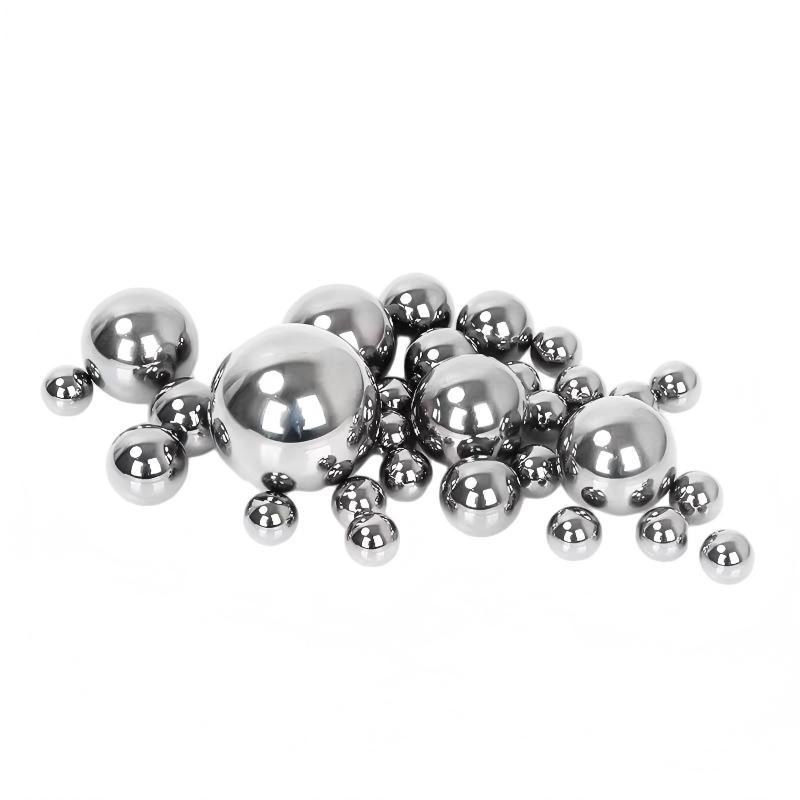
As a national high-tech enterprise and ISO-certified manufacturer, Feige Steel Ball specializes in producing two main categories of corrosion-resistant products: bearing steel balls and stainless steel balls. Our production range covers diameter sizes from 0.3mm to 100mm with precision grades spanning G3-G2000 standards, making us one of the few manufacturers capable of meeting both micro-precision requirements and heavy-duty industrial specifications simultaneously.
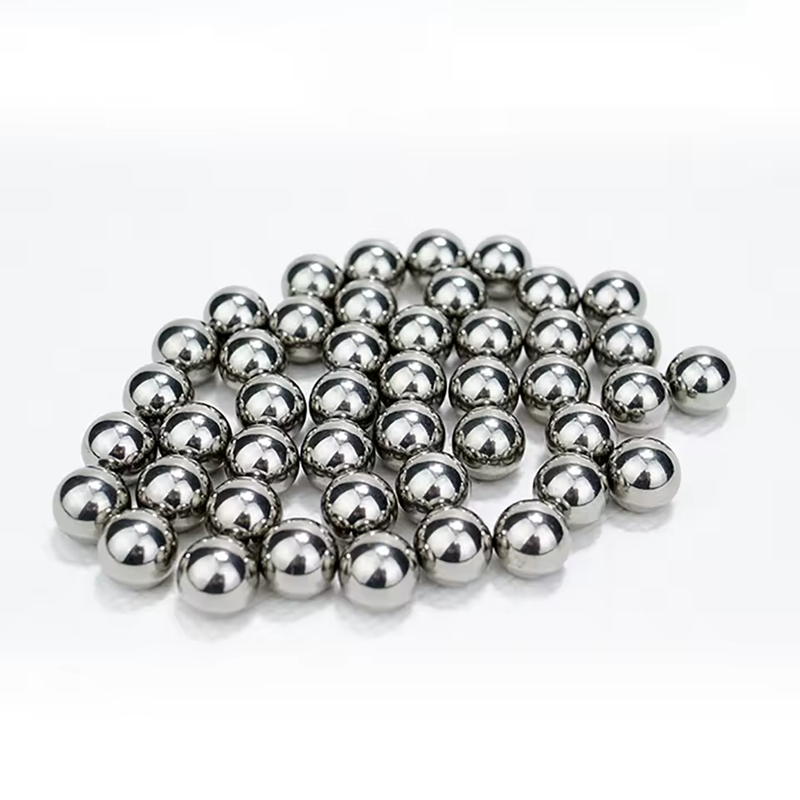
The corrosion resistance of our steel balls derives from three core factors: material selection, surface treatment, and quality control. For stainless steel balls, we primarily use 304, 316, and 440C grades that demonstrate excellent resistance to oxidation and chemical corrosion. Our bearing steel balls undergo special heat treatment processes to enhance surface hardness while maintaining core toughness, significantly improving their performance in corrosive environments.
Our manufacturing process incorporates advanced equipment including:
- High-precision cold heading machines for consistent ball formation
- Multi-station grinding lines achieving surface roughness below Ra0.01μm
- Vacuum heat treatment furnaces ensuring uniform material properties
- Automated cleaning and passivation systems for corrosion protection
- Computerized inspection equipment with 100% quality verification
Customization Capabilities for Specialized Applications
Understanding that different industries have unique requirements for corrosion resistance, we offer comprehensive customization services across five dimensions: material composition, surface treatment, dimensional tolerance, geometric shape, and packaging solutions. This enables us to serve specialized applications including:
| Application Field | Custom Requirements | Solution Provided |
|---|---|---|
| Marine Equipment | Saltwater corrosion resistance | 316 stainless steel with passivation treatment |
| Chemical Processing | Acid/alkali resistance | Hastelloy material with Teflon coating |
| Food Machinery | Sanitary requirements | 316L stainless with electropolishing |
| High-Temperature | Thermal stability | M50 tool steel with special heat treatment |
Our engineering team works closely with clients to analyze working conditions, calculate load requirements, and select optimal material grades. For particularly challenging environments, we offer prototype testing services to validate performance before full-scale production.
Material Selection Guide for Corrosion Resistance
Choosing the right material is crucial for achieving required corrosion resistance while maintaining cost-effectiveness. Here’s our professional recommendation based on different corrosion environments:
- Mild Corrosion (Humid air, fresh water): Chrome steel (GCr15) with proper lubrication can suffice for many applications
- Moderate Corrosion (Industrial atmosphere, seawater mist): 304 stainless steel provides good balance of cost and performance
- Severe Corrosion (Chemical solutions, saltwater immersion): 316/316L stainless or special alloys like Hastelloy are recommended
- Extreme Conditions (High temperature + corrosion): Consider ceramic balls or coated metal balls
Export-Oriented Services & Quality Assurance
As an established export base for premium steel balls, we provide comprehensive international trade services to simplify the procurement process for global clients. Our export department handles all documentation including:
- Certificate of Origin (COO)
- Material Test Reports (MTR)
- Quality Inspection Certificates
- Packing Lists & Commercial Invoices
- Customs Declaration Documents
To ensure safe transportation, we offer multiple packaging options ranging from standard plastic tubes to custom wooden cases with moisture-proofing. For bulk orders, we coordinate directly with shipping lines to arrange optimal container loading and sea freight solutions.
Our quality management system integrates four international standards:
- ISO 9001:2015 – Quality Management System
- IATF 16949:2016 – Automotive Industry Quality
- ISO 14001:2015 – Environmental Management
- ISO 45001:2018 – Occupational Health & Safety
Each production batch undergoes rigorous testing including dimensional inspection, hardness testing, surface roughness measurement, and salt spray corrosion testing. We maintain complete traceability records for all products with batch numbers linking to raw material certificates and production parameters.
FAQ
What certifications should I verify when selecting a corrosion-resistant steel ball supplier?
For reliable corrosion resistance, prioritize suppliers with ISO 9001 quality certification and specific industry certifications like IATF 16949 for automotive applications. Material certificates (MTR) proving chemical composition and heat treatment parameters are essential for verifying corrosion resistance claims.
How does material selection affect the service life of steel balls in corrosive environments?
Material selection directly determines corrosion resistance. For example, 316 stainless steel contains molybdenum which provides superior resistance to chloride corrosion compared to 304 grade. In highly acidic environments, special alloys like Hastelloy or titanium may be required to prevent premature failure.
What surface treatments improve corrosion resistance of steel balls?
Common effective treatments include: 1) Passivation for stainless steel to remove free iron and enhance oxide layer 2) Electropolishing for ultra-smooth surfaces that resist corrosion accumulation 3) Coatings like Teflon or nickel plating for additional protection 4) Black oxide coating for mild steel in certain environments.
How to identify quality issues in corrosion-resistant steel balls?
Visual indicators include surface pitting, discoloration, or rust spots. Functional signs may include increased friction, noise during operation, or premature wear. Always request sample testing in your actual working environment before bulk purchasing to verify performance.
What maintenance practices extend the life of corrosion-resistant steel balls?
Key practices include: 1) Proper lubrication to create protective barrier 2) Regular cleaning to remove corrosive contaminants 3) Avoiding mixing different metal types that may cause galvanic corrosion 4) Storing in dry, climate-controlled environments when not in use 5) Following manufacturer’s load and speed recommendations.
Summary
As a professional corrosion-resistant steel ball manufacturer with 18 years of production experience, Changzhou Feige Steel Ball Co., Ltd. offers comprehensive solutions from material selection to final delivery. Our ISO-certified facilities produce precision steel balls in both standard and custom specifications, with particular expertise in creating products that withstand challenging corrosion environments. By integrating advanced manufacturing technology, strict quality control, and export-oriented services, we help global clients reduce procurement costs while ensuring reliable performance in their specific applications.