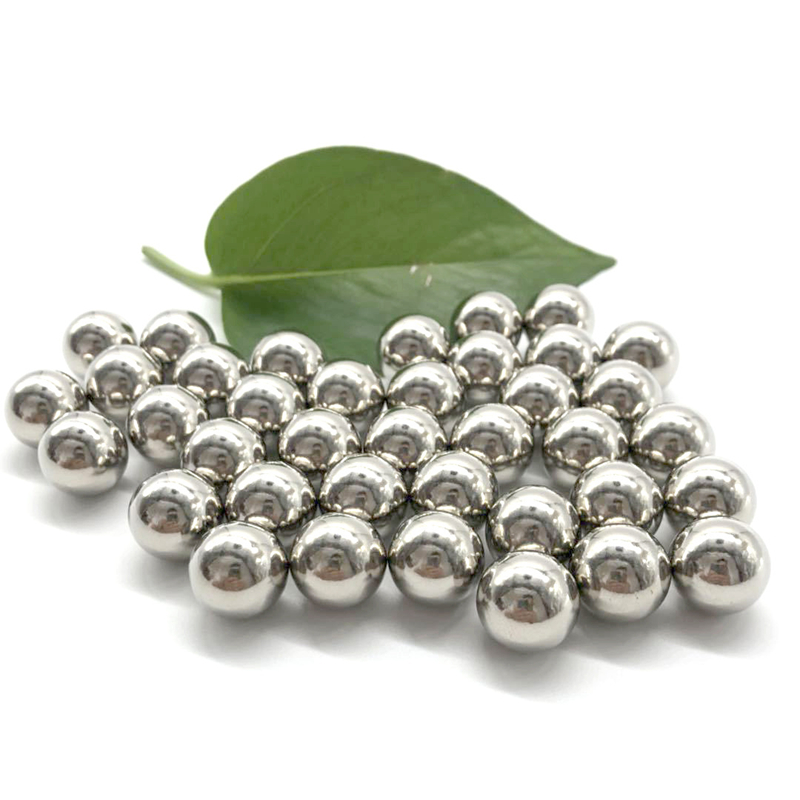
When it comes to industrial components, stainless steel balls play a crucial role in ensuring smooth operation and longevity of machinery. From precision instruments to heavy-duty industrial equipment, selecting the right stainless steel balls requires careful consideration of multiple factors. This comprehensive guide will walk you through everything you need to know about stainless steel balls selection, including precision requirements, customization options, and how to identify a reliable manufacturer.
Understanding Stainless Steel Balls Precision Grades
The precision of stainless steel balls is measured in grades, with G3 being the highest precision and G2000 representing standard commercial grade. The grade number indicates the maximum allowed deviation in spherical shape and surface quality. For high-precision applications like aerospace components or medical devices, G3 to G10 grades are typically required. These balls maintain extremely tight tolerances in both diameter variation (typically ±0.0001mm for G3) and surface roughness (Ra 0.005μm or better).
For general industrial applications such as bearings, valves, or automotive components, G16 to G100 grades offer an excellent balance between precision and cost-effectiveness. These balls maintain diameter tolerances of ±0.001mm to ±0.01mm and surface roughness of Ra 0.05μm to 0.1μm. When selecting the appropriate grade, consider the operating speed, load requirements, and environmental conditions of your application. Higher precision balls perform better under extreme conditions but come at a higher cost.
Material Selection for Stainless Steel Balls
The choice of material significantly impacts the performance and longevity of stainless steel balls. The most common stainless steel grades used for ball manufacturing include 304/304L, 316/316L, and 440C. Each grade offers distinct advantages:
- 304/304L stainless steel: This general-purpose austenitic stainless steel offers excellent corrosion resistance in mild environments and good mechanical properties. It’s suitable for food processing equipment, chemical industry, and decorative applications.
- 316/316L stainless steel: With added molybdenum, this grade provides superior corrosion resistance, especially against chlorides and other industrial chemicals. It’s ideal for marine applications, pharmaceutical equipment, and harsh industrial environments.
- 440C stainless steel: This martensitic stainless steel offers the highest hardness (58-65 HRC) among stainless grades, making it suitable for high-wear applications like bearings, valves, and cutting tools where both corrosion resistance and wear resistance are required.
When selecting the material, consider the chemical composition of your operating environment, required mechanical properties, and any magnetic requirements (304/316 are non-magnetic while 440C is magnetic). A reliable manufacturer can provide material certificates and test reports to verify the composition and properties of the balls.
Customization Options for Specialized Applications
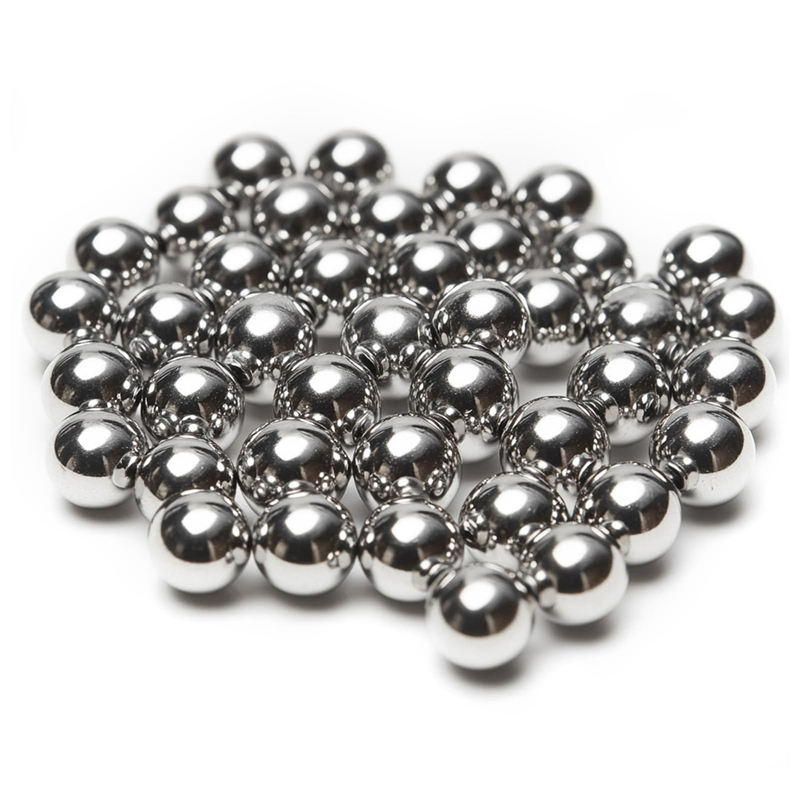
Standard stainless steel balls may not always meet the unique requirements of your application. Leading manufacturers like Changzhou Feige Steel Ball Co., Ltd. offer extensive customization options to create balls that perfectly match your specifications:
1. Non-standard sizes: While standard sizes range from 0.3mm to 100mm in diameter, custom sizes can be manufactured to meet specific requirements. This is particularly important for applications where standard sizes would result in excessive clearance or interference.
2. Special shapes: Beyond perfect spheres, manufacturers can produce balls with flat spots, grooves, or other modifications to accommodate specific assembly requirements or functional needs.
3. Surface treatments: Various surface treatments can enhance the performance of stainless steel balls:
| Treatment Type | Benefits | Typical Applications |
|---|---|---|
| Passivation | Improves corrosion resistance by removing free iron from the surface | Food processing, pharmaceutical equipment |
| Electropolishing | Creates a smooth, mirror-like finish that reduces friction and improves cleanability | Medical devices, semiconductor equipment |
| Black oxide coating | Provides mild corrosion protection and reduces light reflection | Optical equipment, military applications |
| PTFE coating | Reduces friction and provides dry lubrication | Bearings, valves, textile machinery |
4. Tolerance customization: While standard tolerance ranges exist for each precision grade, some applications may require even tighter tolerances. A reliable manufacturer can work with you to define and achieve these specialized requirements.
Identifying a Reliable Stainless Steel Balls Manufacturer
Choosing the right manufacturer is as important as selecting the right product specifications. Here are key factors to consider when evaluating potential suppliers:
1. Certifications and quality standards: Look for manufacturers with international certifications like ISO 9001 (quality management), IATF 16949 (automotive quality), ISO 14001 (environmental management), and ISO 45001 (occupational health and safety). These certifications demonstrate a commitment to consistent quality and responsible manufacturing practices.
2. Production capacity: For large-scale projects or ongoing supply needs, verify that the manufacturer has sufficient production capacity. Changzhou Feige Steel Ball Co., Ltd., for example, operates a 18,000 square meter facility with an annual production capacity of 4,000 tons, placing it among the top manufacturers in China.
3. Technical expertise: The manufacturer should have experienced engineers who can understand your specific requirements and provide technical guidance. This is particularly important for customized solutions or applications with unique challenges.
4. Testing and inspection capabilities: A reliable manufacturer should have comprehensive testing equipment to verify the quality of each batch. This includes optical comparators for dimension measurement, surface roughness testers, hardness testers, and material analysis equipment.
5. Export experience: If you require international delivery, choose a manufacturer with experience in export procedures and documentation. They should be able to provide all necessary compliance documents and handle customs clearance efficiently.
FAQ
What factors determine the price of stainless steel balls?
The price of stainless steel balls depends on several factors including material grade (304, 316, 440C etc.), precision grade (G3 to G2000), size (smaller and larger sizes typically cost more), order quantity (larger quantities usually get volume discounts), and any customization requirements (special shapes, surface treatments, tighter tolerances). High-precision balls made from premium materials in small quantities will be the most expensive.
How do I select the right precision grade for my application?
Choose the precision grade based on your application’s requirements. For high-speed, high-load applications like aerospace components or medical devices, select G3 to G10 grades. For general industrial applications like bearings or valves, G16 to G100 grades offer good performance at a reasonable cost. Consult with your manufacturer’s engineers if you’re unsure about the appropriate grade for your specific conditions.
Can stainless steel balls rust or corrode?
While stainless steel is highly corrosion-resistant, it’s not completely immune to corrosion. The level of resistance depends on the stainless steel grade and the operating environment. 316/316L stainless steel offers excellent corrosion resistance in most industrial environments, while 304/304L is suitable for milder conditions. 440C stainless steel offers good corrosion resistance combined with high hardness but may show some surface staining in aggressive environments. Proper surface treatments can further enhance corrosion resistance.
What is the typical lead time for custom stainless steel balls?
Lead times vary depending on the complexity of the customization and current production schedules. For standard sizes and grades, lead times are typically 2-4 weeks. For fully customized balls with special shapes, materials, or surface treatments, lead times may extend to 6-8 weeks or longer. Always discuss your timeline requirements with the manufacturer during the quotation stage.
How does the manufacturer ensure consistent quality across batches?
Reputable manufacturers implement strict quality control systems at every stage of production. This includes incoming material inspection, in-process quality checks during manufacturing, and final inspection before shipping. They use advanced testing equipment to verify dimensions, surface quality, hardness, and material composition. Many manufacturers also implement statistical process control (SPC) methods to monitor production parameters and maintain consistency.
Summary
Selecting the right stainless steel balls requires careful consideration of precision requirements, material selection, and customization options. By understanding the different precision grades, material properties, and available customization features, you can choose balls that perfectly match your application’s needs. Partnering with a reliable manufacturer like Changzhou Feige Steel Ball Co., Ltd. ensures you get high-quality products backed by comprehensive testing, international certifications, and excellent customer support. Whether you need standard balls or fully customized solutions, the right manufacturer can guide you through the selection process and provide products that enhance the performance and reliability of your machinery.