
In precision engineering industries, selecting the right ultra-high precision steel balls can mean the difference between operational success and costly failures. These critical components, with precision grades ranging from G3 to G2000, serve as the foundation for bearings, valves, and precision instruments across automotive, aerospace, and medical sectors. This comprehensive guide reveals how to evaluate precision requirements, compare manufacturing capabilities, and identify reliable suppliers like Changzhou Feige Steel Ball Co., Ltd. – a national high-tech enterprise producing 4,000 tons annually across 18,000㎡ facilities.
Understanding Precision Grades: G3 vs G2000 Explained
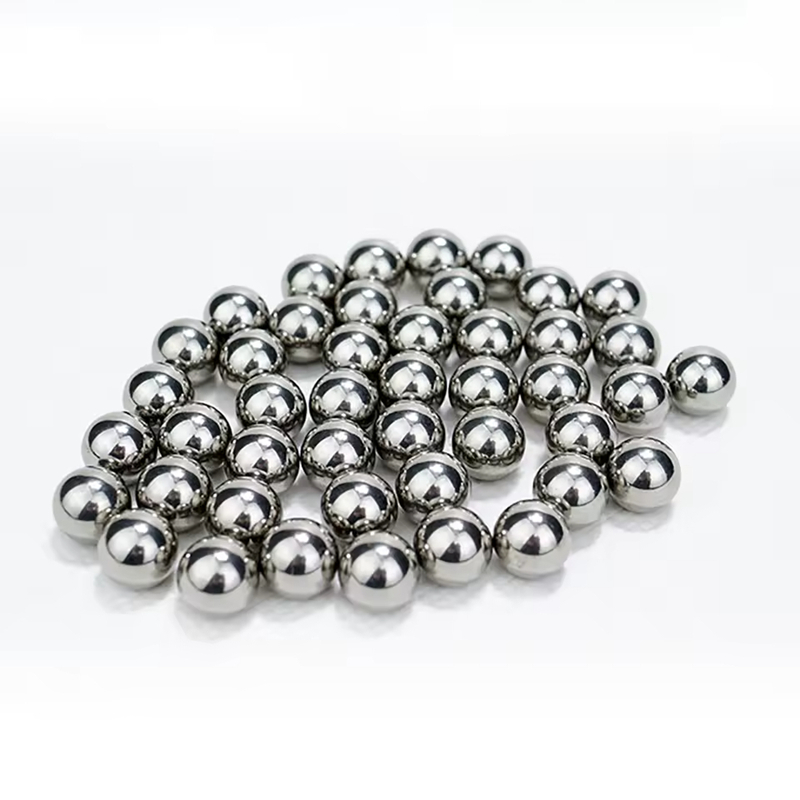
The precision of steel balls is quantified through standardized grade systems, with G3 representing the highest precision and G2000 the most economical grade. The grade number inversely correlates with the spherical deviation – a G3 ball maintains spherical accuracy within 0.0003mm, while G2000 allows deviations up to 0.02mm. This 66-fold difference makes G3 balls essential for:
- Aerospace gyroscopes requiring nanometer-level stability
- Medical implant bearings with 20+ year lifespans
- Semiconductor manufacturing equipment operating at atomic scales
Conversely, G2000 balls excel in cost-sensitive applications like automotive water pumps or general machinery where moderate precision suffices. The selection depends on three critical factors: operational speed, load capacity, and environmental conditions. For instance, high-speed spindle bearings operating at 60,000 RPM demand G10 or higher precision to prevent vibration-induced failures.
Material Selection Matrix for Specialized Applications
Beyond precision grades, material composition determines performance under specific operating conditions. The table below compares common materials used in ultra-precision steel ball manufacturing:
| Material Type | Hardness (HRC) | Corrosion Resistance | Typical Applications |
|---|---|---|---|
| High Carbon Chromium Steel (GCr15) | 60-66 | Requires coating | Automotive bearings, general machinery |
| Stainless Steel (AISI 440C) | 58-62 | Excellent | Food processing, marine equipment |
| Tungsten Carbide | 88-92 | Good | Oil drilling, high-pressure valves |
| Ceramic (ZrO2) | 70-75 | Outstanding | Medical implants, high-temperature environments |
For high-hardness wear-resistant applications, tungsten carbide balls demonstrate 3-5 times longer service life compared to steel under abrasive conditions. However, their brittleness makes them unsuitable for shock-loading scenarios. Ceramic balls, while expensive, offer the ultimate combination of hardness and corrosion resistance for demanding medical applications.
Surface Finish Requirements for Different Precision Grades
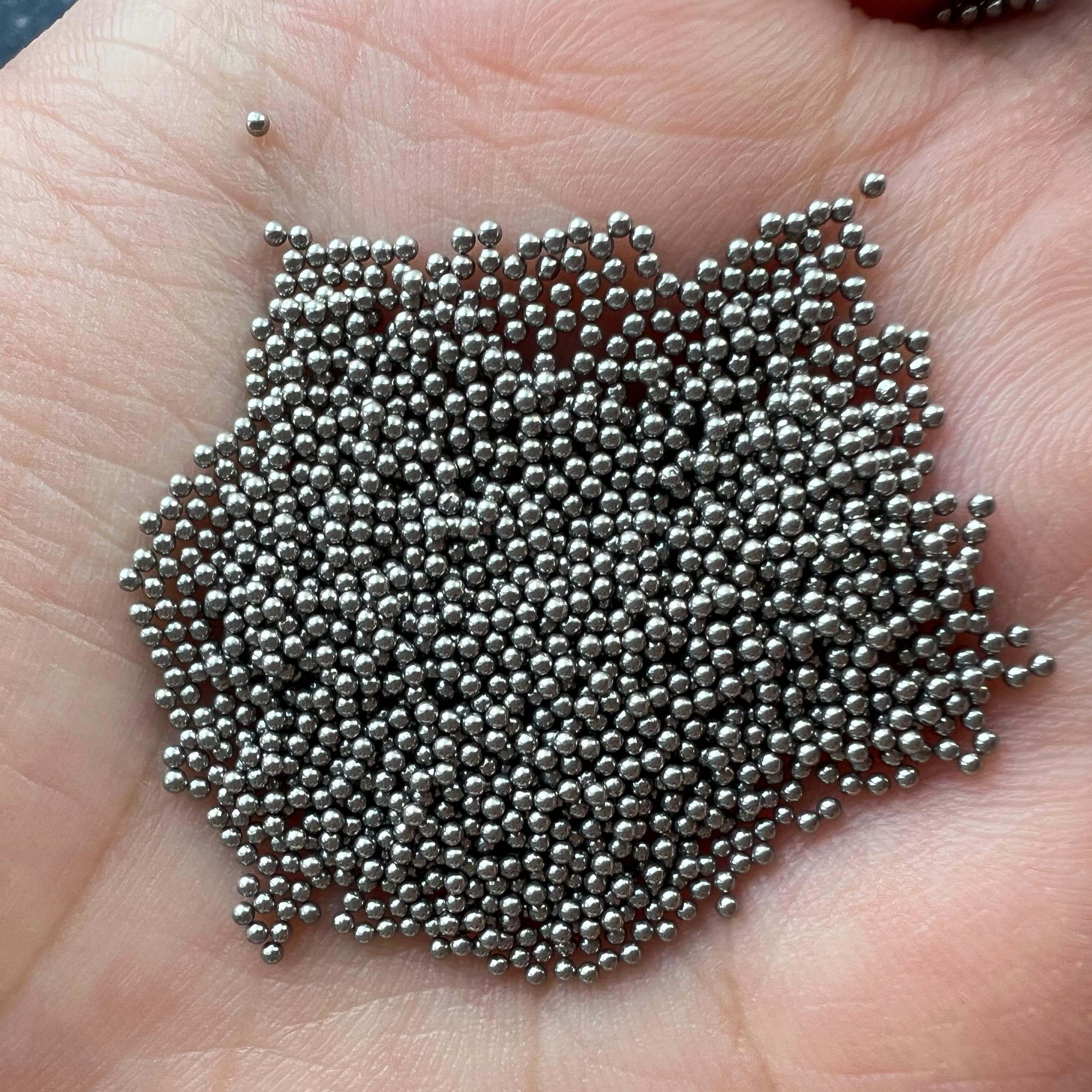
The surface roughness of steel balls directly impacts friction coefficients and wear rates. Ultra-precision balls require mirror-like finishes with Ra values below 0.01μm. This is achieved through multi-stage lapping processes using diamond abrasives. For comparison:
- G3 balls: Ra ≤ 0.005μm (electropolished finish)
- G100 balls: Ra ≤ 0.05μm (standard lapped finish)
- G2000 balls: Ra ≤ 0.2μm (ground finish)
Specialized coatings can further enhance performance. For instance, black oxide coatings reduce friction in high-speed applications, while PTFE coatings provide dry lubrication for cleanroom environments. Changzhou Feige’s proprietary “SaiGe” brand balls incorporate nano-ceramic coatings that extend service life by 200% under corrosive conditions.
Evaluating Manufacturer Capabilities: Key Criteria
Selecting a reliable precision steel ball supplier requires rigorous evaluation of their production capabilities and quality systems. The following checklist helps assess manufacturer competence:
1. Certification Portfolio
Reputable manufacturers should hold multiple international certifications including ISO 9001 (quality management), IATF 16949 (automotive quality), ISO 14001 (environmental management), and ISO 45001 (occupational health). Changzhou Feige’s quadruple certification demonstrates their commitment to global standards.
2. Production Equipment Investment
Ultra-precision manufacturing requires investment in high-end equipment like:
- CNC precision grinding machines (±0.5μm accuracy)
- 3D coordinate measuring machines (CMM)
- Laser surface profilometers
- Automated sorting systems with optical inspection
Leading manufacturers like Feige Steel Ball operate 18,000㎡ facilities with over 50 precision grinding machines, enabling annual production of 4,000 tons across 0.3mm-100mm sizes.
3. Customization Capabilities
The ability to produce non-standard specifications separates premium manufacturers from commodity suppliers. Feige’s engineering team routinely develops custom solutions including:
- Asymmetric balls for specialized valve applications
- Hollow balls for lightweight requirements
- Satellite balls for planetary gear systems
- Composite balls with embedded sensors
FAQ
What factors determine the price of ultra-precision steel balls?
Precision grade has the most significant impact – G3 balls cost 5-8 times more than G2000 equivalents. Material selection also affects pricing: stainless steel balls are 30% more expensive than carbon steel, while ceramic balls command premium prices 10-20 times higher than steel. Volume discounts typically apply for orders above 100,000 pieces.
How to verify manufacturer claims about precision grades?
Request third-party inspection reports from accredited laboratories like SGS or TÜV. Reputable manufacturers provide batch-specific certificates showing actual measurement data for spherical deviation, surface roughness, and hardness. For critical applications, consider sending samples to independent metrology centers for verification.
What lead times should be expected for custom precision balls?
Standard products typically ship within 7-10 days. Custom orders require 3-6 weeks depending on complexity: 3 weeks for simple size modifications, 4-5 weeks for material changes, and 6+ weeks for completely new designs. Feige Steel Ball maintains strategic stock of common grades to expedite deliveries.
How does packaging affect ball quality during shipping?
Precision balls require anti-corrosion packaging with desiccants to prevent rust during transit. For G3-G10 grades, vacuum-sealed plastic tubes inside cardboard boxes are standard. Larger balls (≥25mm) may use wooden crates with foam inserts. Feige offers custom packaging solutions including individual compartment trays for mixed-size orders.
Summary
Selecting ultra-high precision steel balls demands careful consideration of grade requirements, material properties, and manufacturer capabilities. For applications demanding G3-G100 precision, prioritize suppliers with ISO/IATF certifications, advanced production equipment, and proven customization experience. Changzhou Feige Steel Ball Co., Ltd. emerges as a top choice with their 18,000㎡ production base, quadruple certification, and comprehensive service portfolio covering non-standard development, export compliance, and lifetime technical support. When evaluating suppliers, always request sample testing and verify production capabilities through facility audits to ensure consistent quality for your critical applications.