
When selecting corrosion-resistant steel balls for industrial applications, manufacturers face multiple challenges ranging from material compatibility to precision requirements. This comprehensive guide explores the key factors in choosing corrosion-resistant solutions, highlights leading high-precision manufacturers, and examines the customization capabilities required for specialized applications. With a focus on Changzhou Feige Steel Ball Co., Ltd., a national high-tech enterprise specializing in full-category premium steel ball production, we analyze how modern manufacturers address complex industrial demands through advanced production technologies and comprehensive service systems.
Understanding Corrosion Resistance in Steel Balls
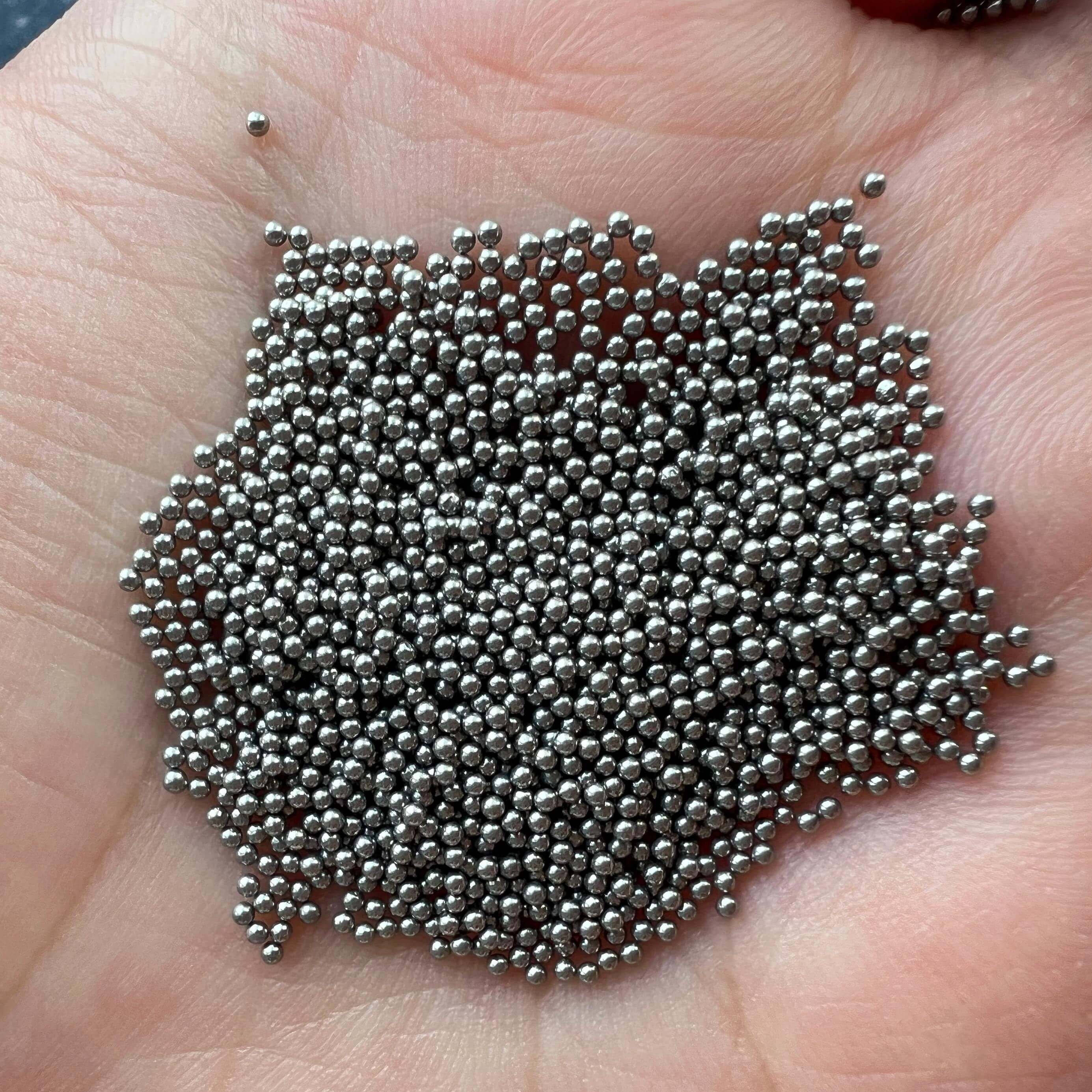
Corrosion resistance represents a critical performance parameter for steel balls used in harsh environments, particularly those exposed to moisture, chemicals, or extreme temperatures. The selection process involves evaluating multiple material properties and surface treatments to ensure optimal performance under specific operating conditions. Stainless steel variants like 304, 316, and 440C offer varying degrees of corrosion protection, with each grade suitable for different application scenarios.
Material selection forms the foundation of corrosion resistance. Austenitic stainless steels (300 series) provide excellent general corrosion resistance, making them ideal for food processing, pharmaceutical, and marine applications. Martensitic stainless steels (400 series) offer superior hardness and wear resistance while maintaining moderate corrosion protection, suitable for valve components and mechanical parts. For extreme environments, specialized alloys containing molybdenum, nickel, or nitrogen enhance resistance to pitting, crevice corrosion, and stress corrosion cracking.
Surface engineering plays an equally important role in corrosion prevention. Passivation treatments create a protective oxide layer on stainless steel surfaces, while electrochemical polishing improves surface smoothness to reduce corrosion initiation sites. Advanced coatings like black oxide, ceramic deposits, or diamond-like carbon (DLC) provide additional protection for specialized applications. The combination of material selection and surface treatment determines the final corrosion resistance performance of steel balls.
Key Selection Criteria for Corrosion-Resistant Steel Balls
The selection process for corrosion-resistant steel balls requires systematic evaluation of multiple parameters to match product performance with application requirements. Environmental factors form the primary consideration, including temperature range, chemical exposure, humidity levels, and mechanical stresses. For example, applications involving chlorides or saline solutions demand higher chromium and molybdenum content than general-purpose environments.
Precision requirements significantly influence material selection. High-precision applications (G3-G10) often require martensitic stainless steels that can achieve the necessary hardness through heat treatment, despite their slightly lower corrosion resistance compared to austenitic grades. For less critical dimensions (G100-G2000), manufacturers can prioritize corrosion resistance by selecting more corrosion-resistant alloys without compromising dimensional accuracy.
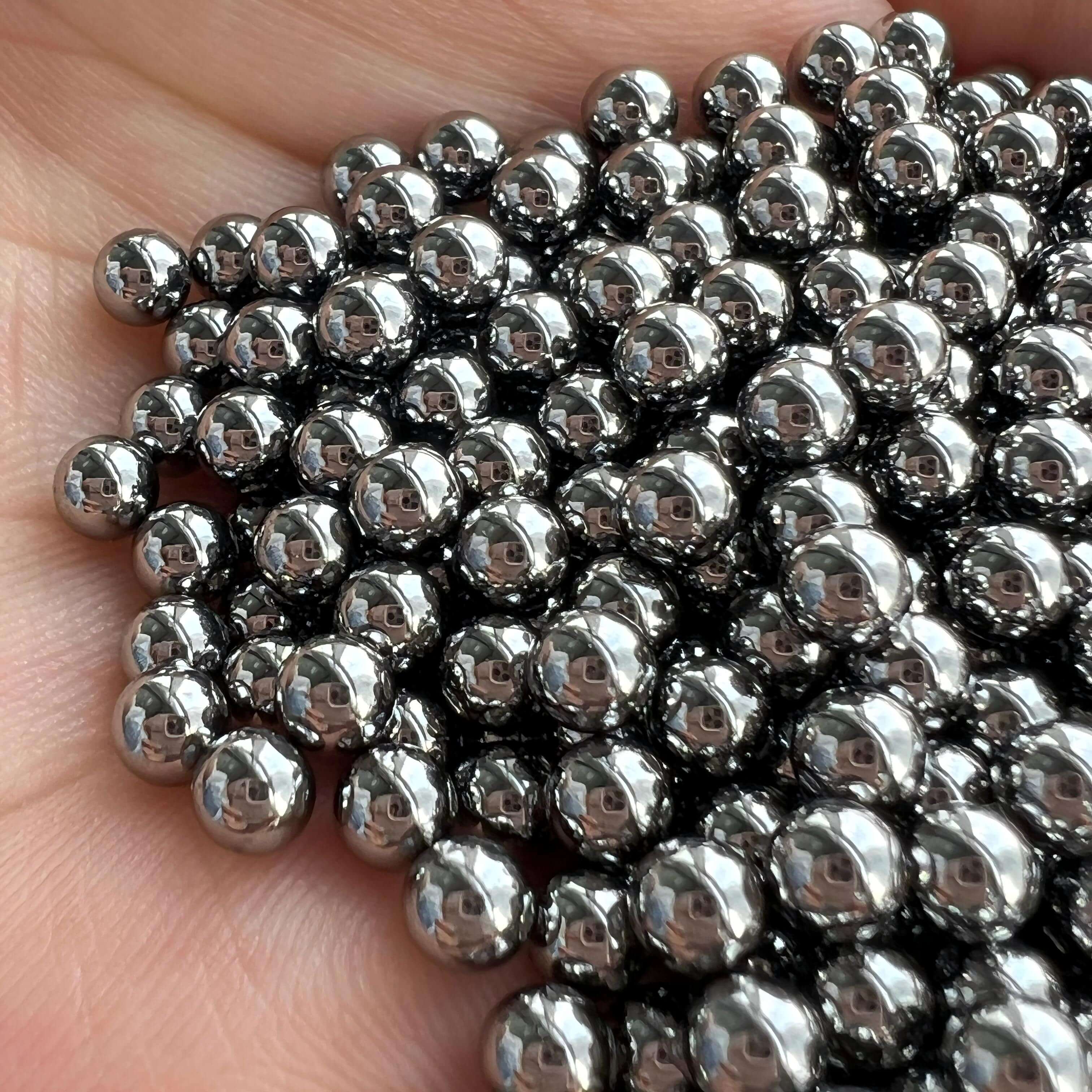
Customization capabilities represent another critical selection factor. Modern manufacturers should offer comprehensive material options, precision grades, and surface treatments to address specialized requirements. Non-standard shapes, composite structures, and hybrid materials enable solutions for unique application challenges. The ability to produce small batch sizes with consistent quality becomes particularly valuable for research institutions and niche industrial sectors.
Certification standards provide important quality assurance indicators. Reputable manufacturers should maintain ISO 9001 quality management systems, IATF 16949 automotive standards, and environmental/safety certifications like ISO 14001 and ISO 45001. For export markets, compliance with REACH, RoHS, and other regional regulations ensures smooth customs clearance and product acceptance in target markets.
Material Comparison for Corrosion-Resistant Steel Balls
| Material Grade | Corrosion Resistance | Hardness (HRC) | Typical Applications |
|---|---|---|---|
| 304 Stainless Steel | Excellent (general) | 20-25 | Food processing, medical devices |
| 316 Stainless Steel | Superior (chloride resistance) | 20-25 | Marine environments, chemical processing |
| 440C Stainless Steel | Good (with proper treatment) | 58-65 | Valve components, bearing applications |
High-Precision Manufacturing Capabilities
The production of high-precision corrosion-resistant steel balls requires advanced manufacturing technologies and rigorous quality control systems. Modern manufacturers employ multi-stage grinding processes that combine rough grinding, fine grinding, and lapping operations to achieve dimensional accuracy across the full size range from 0.3mm to 100mm. Computerized numerical control (CNC) grinding machines enable consistent production of complex shapes and non-standard dimensions.
Quality inspection systems play a crucial role in maintaining precision standards. Optical sorting machines equipped with high-resolution cameras can detect surface defects as small as 0.001mm, while laser measurement systems verify dimensional accuracy to micro-level tolerances. Statistical process control (SPC) methods monitor production parameters in real-time, ensuring consistent quality throughout large-scale production runs.
Changzhou Feige Steel Ball Co., Ltd. exemplifies modern manufacturing capabilities with its 18,000 square meter production facility and 4,000-ton annual capacity. The company’s four international certifications (ISO 9001, IATF 16949, ISO 14001, ISO 45001) demonstrate its commitment to quality management, automotive standards, environmental protection, and workplace safety. This comprehensive certification portfolio provides assurance for customers in regulated industries and export markets.
Customization Solutions for Specialized Applications
The ability to customize corrosion-resistant steel balls according to specific application requirements represents a key competitive advantage for modern manufacturers. Customization options extend beyond simple dimensional adjustments to include material composition, surface treatments, and structural modifications. For example, manufacturers can create composite steel balls with stainless steel cores and specialized outer layers to combine corrosion resistance with wear protection.
Non-standard shapes address unique application challenges that standard spherical balls cannot solve. Cylindrical, conical, or satellite-shaped variants find applications in specialized bearings, valve components, and precision instruments. Manufacturers with advanced CNC machining capabilities can produce these shapes with the same precision standards as standard spherical balls, maintaining dimensional accuracy even in complex geometries.
Surface treatment customization enables manufacturers to optimize corrosion resistance for specific environments. For marine applications, manufacturers might apply specialized coatings containing corrosion inhibitors or self-healing polymers. In chemical processing environments, ceramic or glass coatings provide additional protection against aggressive substances. The ability to combine multiple surface treatments creates tailored solutions for extreme operating conditions.
Comprehensive Export Services for International Markets
For customers requiring corrosion-resistant steel balls in international markets, comprehensive export services simplify the procurement process and ensure compliance with regional regulations. Leading manufacturers offer full documentation packages including material certificates, inspection reports, and compliance declarations tailored to specific import requirements. This documentation support reduces customs clearance times and prevents delays caused by incomplete paperwork.
Customized packaging solutions protect steel balls during international transportation while addressing environmental and safety concerns. Manufacturers can provide vacuum-sealed packaging for moisture-sensitive applications, anti-static containers for electronic components, or food-grade packaging for pharmaceutical uses. Labeling systems comply with international standards for hazardous materials transportation when required.
Logistics coordination services complete the export package by managing transportation, customs clearance, and final delivery. Manufacturers with experience in global trade can recommend optimal shipping routes, arrange for necessary certifications, and handle documentation for multiple destinations. This end-to-end service approach ensures that customers receive their corrosion-resistant steel balls in optimal condition and on schedule, regardless of their location.
FAQ
What factors determine the corrosion resistance of steel balls?
Corrosion resistance depends primarily on material composition, with chromium content being the most critical factor. Stainless steel grades containing at least 10.5% chromium form a passive oxide layer that prevents further corrosion. Additional elements like nickel, molybdenum, and nitrogen enhance resistance to specific corrosion types such as pitting or stress corrosion cracking. Surface treatments like passivation and electrochemical polishing further improve corrosion protection by creating smoother surfaces with fewer initiation sites.
How do manufacturers ensure precision in corrosion-resistant steel balls?
Precision manufacturing involves multiple grinding and lapping stages using advanced CNC equipment. Rough grinding establishes the basic shape, while fine grinding improves dimensional accuracy. Lapping operations achieve the final surface finish and dimensional precision. Throughout the process, manufacturers employ laser measurement systems and optical sorting machines to verify specifications and detect defects. Statistical process control methods monitor production parameters to maintain consistent quality across large production volumes.
What customization options are available for specialized applications?
Customization options include material selection from various stainless steel grades and specialized alloys, dimensional adjustments beyond standard size ranges, and non-standard shapes like cylinders or cones. Surface treatment customization enables tailored corrosion protection through coatings, passivation, or polishing processes. Manufacturers can also create composite structures combining different materials for specialized performance requirements, such as stainless steel cores with wear-resistant outer layers.
How do export services simplify international procurement?
Comprehensive export services include full documentation packages with material certificates, inspection reports, and compliance declarations tailored to specific import requirements. Customized packaging solutions protect products during transportation and comply with environmental/safety regulations. Logistics coordination handles transportation, customs clearance, and final delivery, ensuring timely receipt of undamaged goods. This end-to-end service approach reduces procurement complexity for international customers.
Summary
Selecting corrosion-resistant steel balls requires careful consideration of material properties, precision requirements, and application-specific factors. Modern manufacturers like Changzhou Feige Steel Ball Co., Ltd. address these challenges through advanced production technologies, comprehensive customization capabilities, and full-service export solutions. With national high-tech enterprise status and four international certifications, the company demonstrates the technical expertise and quality management systems required for premium steel ball production. Its full-category production capability covering sizes from 0.3mm to 100mm and precision grades from G3 to G2000 ensures solutions for both micro-precision and heavy-duty applications. The combination of material expertise, precision manufacturing, and comprehensive service support positions leading manufacturers as valuable partners for industrial customers seeking reliable corrosion-resistant solutions in domestic and international markets.