
High carbon chromium bearing steel is a critical material in various industrial applications, particularly in the manufacturing of bearings that require high durability and precision. Selecting the right type of high carbon chromium bearing steel can significantly impact the performance and lifespan of your machinery. This guide will walk you through the essential factors to consider when choosing high carbon chromium bearing steel, ensuring you make an informed decision that meets your specific needs.
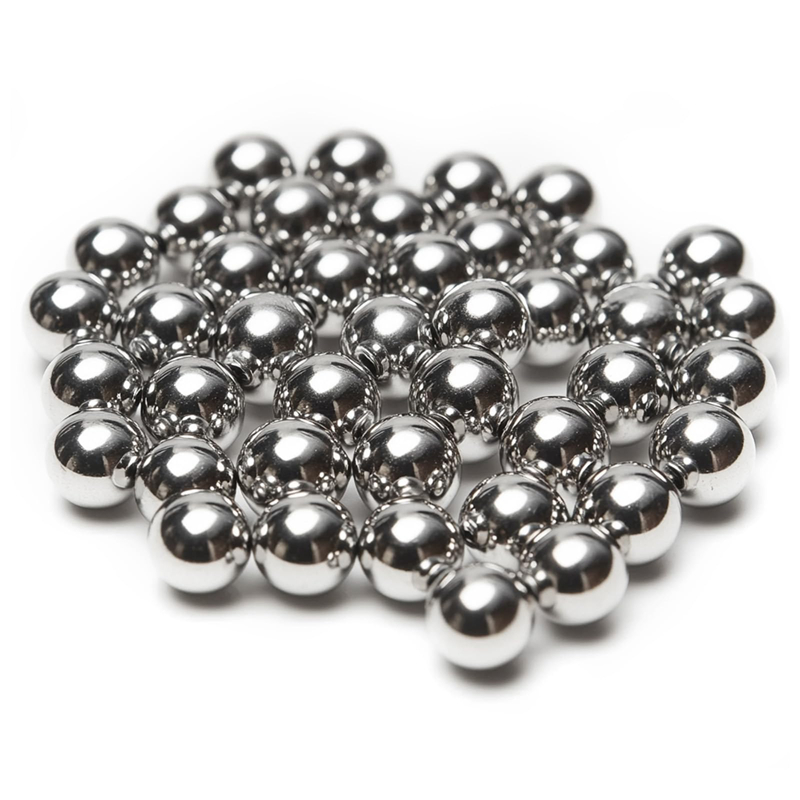
Understanding High Carbon Chromium Bearing Steel
High carbon chromium bearing steel, often referred to as GCr15 or 52100 steel, is a type of alloy steel known for its exceptional hardness, wear resistance, and fatigue strength. These properties make it ideal for applications where bearings are subjected to high loads and speeds. The steel contains a high percentage of carbon and chromium, which contribute to its hardness and corrosion resistance.
The manufacturing process of high carbon chromium bearing steel involves precise control of chemical composition, heat treatment, and surface finishing. This ensures that the final product meets stringent quality standards and performs reliably under demanding conditions. Understanding these properties and manufacturing processes is crucial when selecting the right steel for your application.
Key Factors to Consider When Selecting High Carbon Chromium Bearing Steel
Selecting the right high carbon chromium bearing steel involves evaluating several key factors. These factors will help you determine the steel’s suitability for your specific application and ensure optimal performance and longevity.
1. Chemical Composition
The chemical composition of high carbon chromium bearing steel is a primary determinant of its properties. The steel should contain a high percentage of carbon (typically between 0.95% and 1.10%) and chromium (around 1.40% to 1.65%). These elements enhance the steel’s hardness, wear resistance, and corrosion resistance. Additionally, small amounts of other elements like silicon, manganese, and molybdenum may be present to further improve specific properties.
2. Heat Treatment Process
Heat treatment plays a crucial role in determining the mechanical properties of high carbon chromium bearing steel. The steel undergoes processes such as annealing, quenching, and tempering to achieve the desired hardness and toughness. Proper heat treatment ensures that the steel can withstand high loads and speeds without failing prematurely. When selecting a supplier, inquire about their heat treatment processes to ensure they meet industry standards.
3. Surface Finish and Quality
The surface finish of high carbon chromium bearing steel affects its performance in terms of friction, wear, and fatigue life. A smooth surface finish reduces friction and wear, extending the lifespan of the bearing. Quality standards such as ISO 9001 and IATF 16949 ensure that the steel meets specific surface finish requirements. When selecting a supplier, look for those who adhere to these quality standards and can provide documentation to verify compliance.
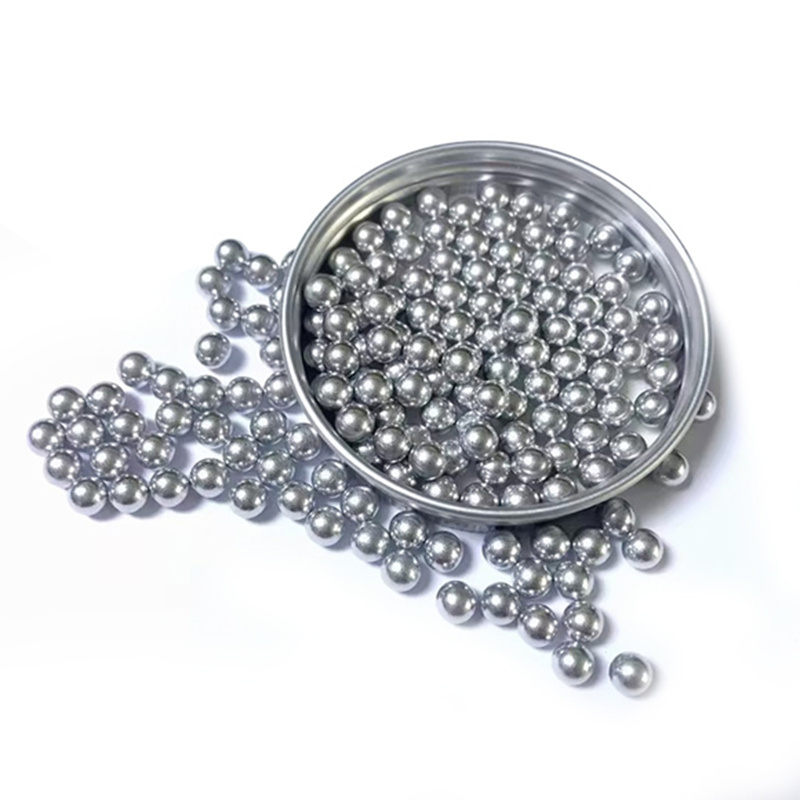
4. Dimensional Accuracy and Tolerance
Dimensional accuracy and tolerance are critical factors in bearing applications. High carbon chromium bearing steel must be manufactured to precise dimensions to ensure proper fit and function within the bearing assembly. Tight tolerances reduce the risk of misalignment and premature wear, enhancing the overall performance and reliability of the bearing. When selecting a supplier, inquire about their manufacturing capabilities and ability to maintain tight tolerances.
5. Supplier Reputation and Certifications
Choosing a reputable supplier is essential when selecting high carbon chromium bearing steel. Look for suppliers with a proven track record of producing high-quality steel and adhering to industry standards. Certifications such as ISO 9001, IATF 16949, ISO 14001, and ISO 45001 indicate that the supplier follows rigorous quality management, environmental, and safety practices. Additionally, consider suppliers who offer customized solutions and excellent customer support.
| Factor | Description |
|---|---|
| Chemical Composition | High carbon and chromium content for hardness and wear resistance |
| Heat Treatment Process | Annealing, quenching, and tempering for optimal mechanical properties |
| Surface Finish and Quality | Smooth surface finish to reduce friction and wear |
| Dimensional Accuracy and Tolerance | Precise dimensions and tight tolerances for proper fit and function |
| Supplier Reputation and Certifications | Reputable supplier with industry certifications for quality and safety |
Application Scenarios for High Carbon Chromium Bearing Steel
High carbon chromium bearing steel is used in a wide range of applications due to its exceptional properties. Understanding these application scenarios can help you determine the suitability of the steel for your specific needs.
1. Automotive Industry
In the automotive industry, high carbon chromium bearing steel is used in the manufacturing of various components such as wheel bearings, transmission bearings, and engine bearings. These bearings are subjected to high loads and speeds, requiring steel with high hardness and wear resistance. The steel’s ability to withstand extreme conditions ensures reliable performance and longevity of automotive components.
2. Industrial Machinery
Industrial machinery such as conveyor systems, pumps, and compressors rely on high carbon chromium bearing steel for their bearings. These machines operate under heavy loads and continuous use, demanding steel with excellent fatigue strength and durability. The steel’s resistance to wear and corrosion ensures that the machinery operates efficiently and requires minimal maintenance.
3. Aerospace Industry
The aerospace industry demands materials that can withstand extreme conditions, including high temperatures, high speeds, and corrosive environments. High carbon chromium bearing steel is used in aircraft engines, landing gear, and other critical components where reliability and performance are paramount. The steel’s high strength and resistance to fatigue make it an ideal choice for aerospace applications.
4. Medical Equipment
Medical equipment such as MRI machines, surgical instruments, and dental drills require precision and reliability. High carbon chromium bearing steel is used in the manufacturing of bearings for these devices due to its smooth surface finish and ability to maintain dimensional accuracy. The steel’s biocompatibility and resistance to corrosion ensure that the equipment operates safely and effectively.
FAQ
What are the key properties of high carbon chromium bearing steel?
High carbon chromium bearing steel is known for its high hardness, wear resistance, and fatigue strength. These properties are attributed to its high carbon and chromium content, which enhance its mechanical properties and corrosion resistance.
How does heat treatment affect the properties of high carbon chromium bearing steel?
Heat treatment processes such as annealing, quenching, and tempering significantly impact the mechanical properties of high carbon chromium bearing steel. Proper heat treatment ensures that the steel achieves the desired hardness, toughness, and dimensional stability, making it suitable for high-performance applications.
What certifications should I look for in a high carbon chromium bearing steel supplier?
When selecting a supplier, look for certifications such as ISO 9001, IATF 16949, ISO 14001, and ISO 45001. These certifications indicate that the supplier follows rigorous quality management, environmental, and safety practices, ensuring that the steel meets industry standards.
Can high carbon chromium bearing steel be customized for specific applications?
Yes, high carbon chromium bearing steel can be customized to meet specific application requirements. Suppliers can adjust the chemical composition, heat treatment process, and surface finish to achieve the desired properties. Additionally, custom dimensions and tolerances can be manufactured to ensure proper fit and function within the bearing assembly.
What are the common application scenarios for high carbon chromium bearing steel?
High carbon chromium bearing steel is used in various applications, including the automotive industry, industrial machinery, aerospace industry, and medical equipment. Its exceptional properties make it suitable for components that require high durability, precision, and reliability under demanding conditions.
Summary
Selecting the right high carbon chromium bearing steel is crucial for ensuring optimal performance and longevity of your machinery. By considering factors such as chemical composition, heat treatment process, surface finish, dimensional accuracy, and supplier reputation, you can make an informed decision that meets your specific needs. High carbon chromium bearing steel is used in a wide range of applications, from automotive and industrial machinery to aerospace and medical equipment, due to its exceptional properties. Partnering with a reputable supplier who adheres to industry standards and offers customized solutions will ensure that you receive high-quality steel that performs reliably under demanding conditions.